
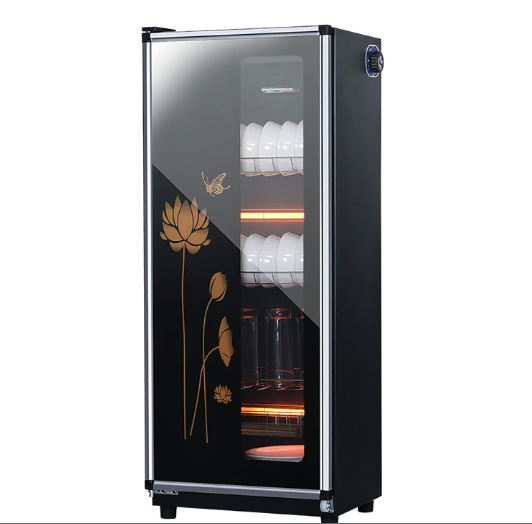
Getting Your Steam Ovens to Dry Faster (Without Burning Everything)
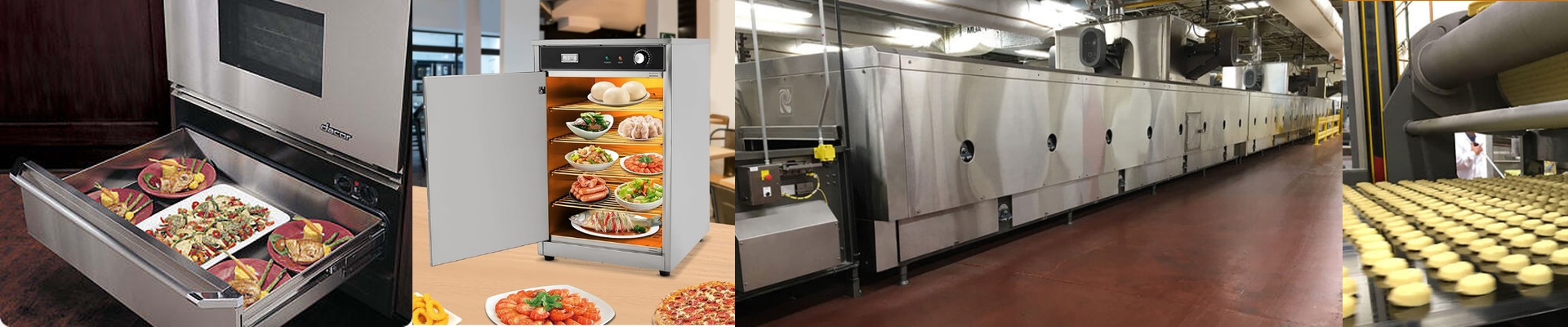
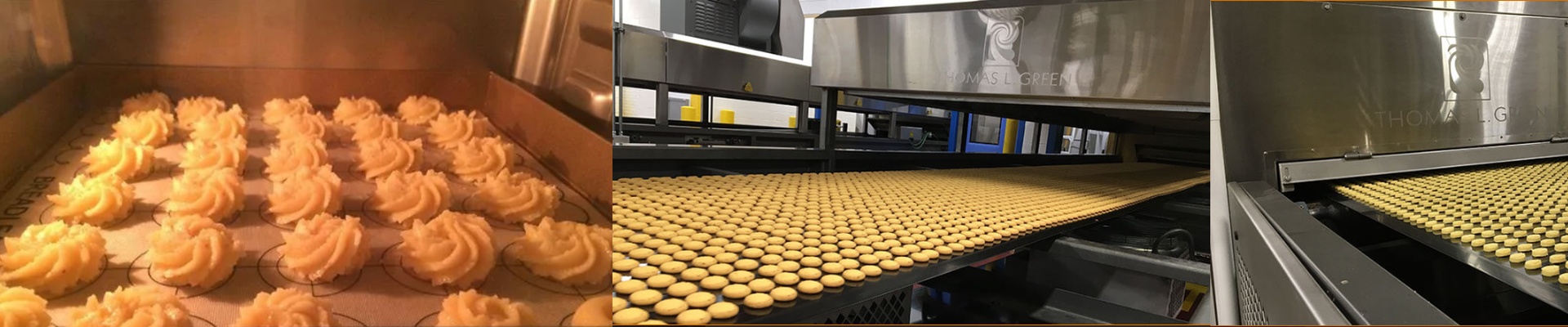
If you’re running an automated kitchen line, you know the struggle. Standard convection is fine for some things, but when it comes to the drying phase of a steam oven? It’s just too slow. It drags the whole process down. That’s why we use shortwave infrared (IR) heaters. Instead of waiting for the air to heat up, these lamps blast the surface moisture away almost instantly. But here’s the trick: you can’t just throw them in there. You need a tight, fast connection between the IR output and your temperature sensors, all managed by your PLC. How the heat actually works Think about a steam oven. It’s a swamp in there. When it’s time to dry, we don’t want to heat the air—we want to hit the food directly. IR lamps do exactly that. They bypass the humidity and go straight for the surface. We use high power density here. Why? Because we want that moisture gone now, before the inside of the product overcooks. It’s a delicate balance. The “Brains” of the Operation You can’t just flip a switch on these things. If you do, you’ll likely overshoot your temp and ruin your batch. Instead, we wire them into PID controllers using SSRs or thyristors. This lets us use pulse-width modulation (PWM). In plain English: we’re “chopping” the power. It keeps the temperature steady and smooth. If a sensor picks up a sudden spike, the controller throttles the heat in milliseconds. It’s a lot safer. The Trade-offs We can tweak the length and wattage to fit your specific oven, but keep in mind that there’s always a catch. Sure, a higher wattage lamp dries things faster. But it also puts a lot more stress on your electrical panel. You’ve got to make sure your wiring and breakers can handle that initial surge of power when they kick in. And be careful—if you crank the heat density too high, you’ll end up with a scorched crust and a damp center. Not a great look. A Few Real-World Tips Here is a bit of honest advice: these lamps are fragile. We always suggest using spring-loaded mounts. If the machine vibrates—which they always do—those quartz tubes can crack. Spring mounts soak up that movement so the glass doesn’t snap. Also, don’t just slam the power on. Build a “warm-up” phase into your logic. It prevents thermal shock and keeps the elements from burning out prematurely. Your wallet will thank you.