
Halogen Infrared vs. Resistance Heating: Which one actually works for you?
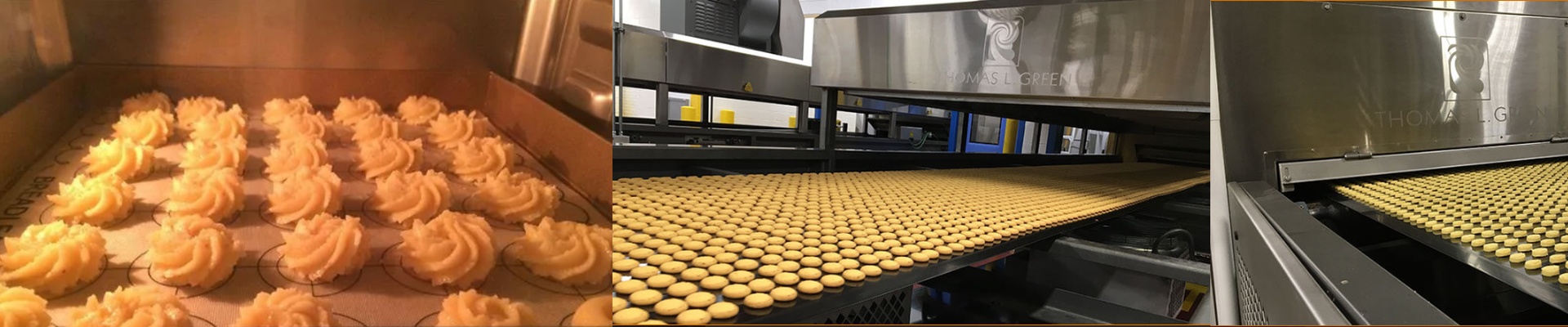
If you’re still using old-school resistance wires in your rotary oven, you’re basically heating the air just to hope that heat eventually reaches your product. It’s like trying to warm up a room by heating the hallway first. Halogen infrared (IR) does things differently. It uses electromagnetic radiation to beam energy straight into the workpiece. No middleman. No waiting around for the air to get hot. Just direct heat. Why your power bill will thank you Think about those old resistance coils. They take forever to warm up. For minutes on end, they’re just bleeding heat into the oven walls and the surrounding air before they even hit the target temperature. It’s a waste. Our halogen IR lamps hit full power in seconds. Seriously—seconds. You stop paying to heat the machine’s metal skin and start spending your energy on the actual product. Plus, shortwave IR sinks deeper into the surface of your parts, and it does it fast. In a rotary oven where everything is constantly moving, this quick response is a lifesaver. You get the temperature you need without having to crank the entire oven up to a blistering, wasteful heat. The nitty-gritty on the hardware We use quartz glass tubes filled with halogen gas. We do this so the filament doesn’t just burn out the moment things get hot. It lets us pack a ton of power into a tiny space. You end up with way more heat per square inch than you’d ever get from a standard element. But, a heads-up on your power supply. These high-wattage tubes pull a lot of current the moment they kick on. If your control board isn’t built for those spikes, you’re going to be replacing fuses a lot. We usually suggest using SCR controllers to keep the power steady and precise. What this actually does for your floor When you swap to IR, the whole machine feels “lighter” thermally. It doesn’t hold onto heat like a giant brick. This means your cooling cycle is way shorter. You can pull products out of the oven faster because the heat was absorbed by the part, not just “soaked” into the equipment. Your kWh per unit drops. Your heating zone takes up less space. And your cycle times? They get a lot faster. It just makes the whole process feel smoother.