
How to Actually Speed Up Your Pizza Line with Shortwave IR
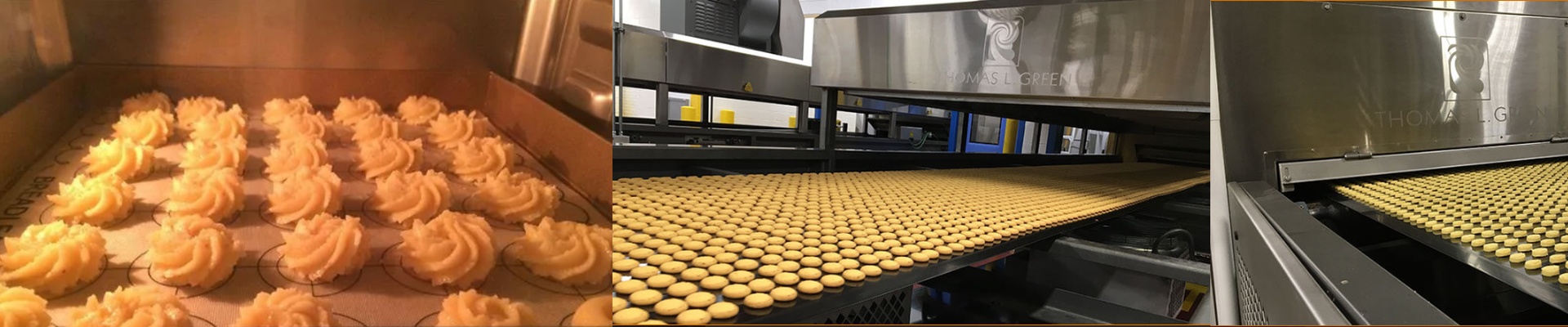
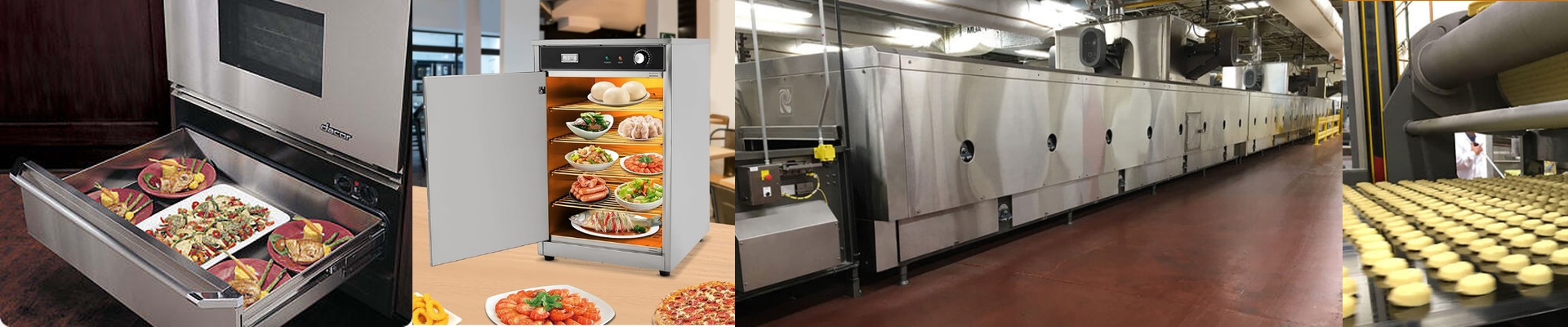
If you’re still relying on standard convection or steam to get your pizzas done, you’re probably fighting a losing battle with the clock. Most lines we see hit a wall at around 300 seconds per bake. It’s a slog. But if you swap those old methods for high-density infrared (IR) emitters, that cycle drops to 90 seconds. It’s a massive jump.
Why it works (without the textbook talk)
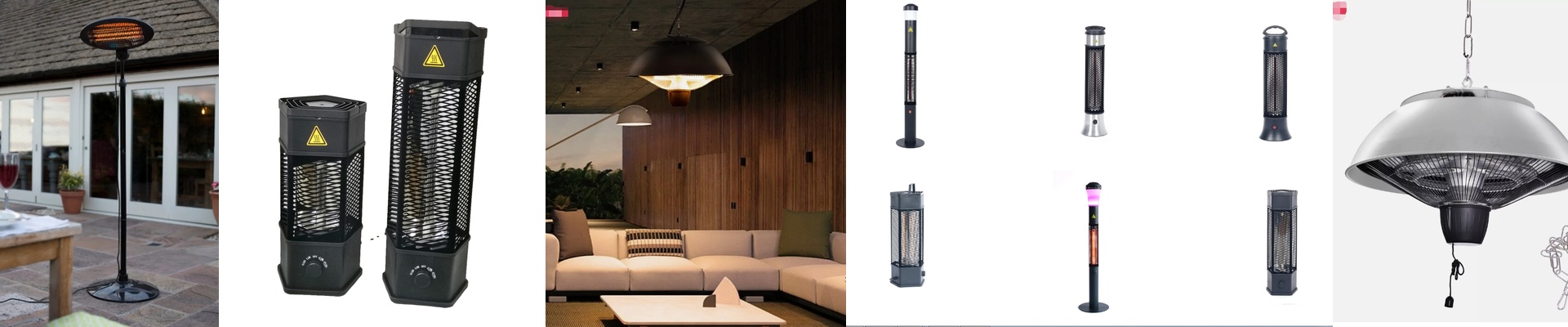
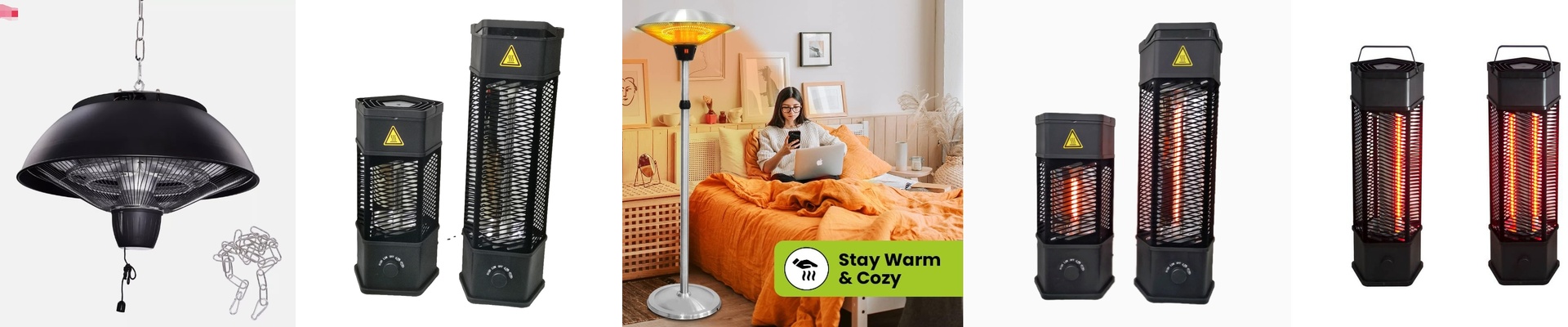
Standard ovens use air to move heat. Air is slow. IR is different. It uses electromagnetic radiation that punches straight through the surface of the food. We use shortwave quartz lamps because they get the moisture and fats in the cheese and crust vibrating almost instantly. Instead of waiting for the air to warm up the pizza, you get that perfect sear and a gooey melt the second it hits the light.
Getting the hardware right
To make this work, you need a lot of power in a small space. We usually spec these bulbs for high-voltage industrial grids. It keeps the current under control while still pumping out maximum heat. One tip: make sure the quartz envelope is high-purity. If you go cheap here, the glass clouds up after a few thermal cycles, and your heat output tanks. You’ll also want to wire these into a PID controller. Trust me on this. Without a precise control loop, you’ll end up with a blackened, charred top before the bottom of the crust is even cooked.
The trade-offs
Here’s the catch: IR is directional. One bulb isn’t going to cut it. You have to arrange them in banks so every inch of the conveyor gets the same amount of love. And yeah, these things gethot. If your oven housing isn’t properly vented or insulated, that ambient heat will fry your wiring and sensors in no time. You need a real plan for cooling your electronics. It’s a bit of a balancing act. You’re getting a 70% boost in how many pizzas you can push out the door, but you’ve got a much bigger heat load to manage inside the machine. Worth it? Absolutely.