
Why We Use Circular IR Heaters (And Why It Actually Matters)
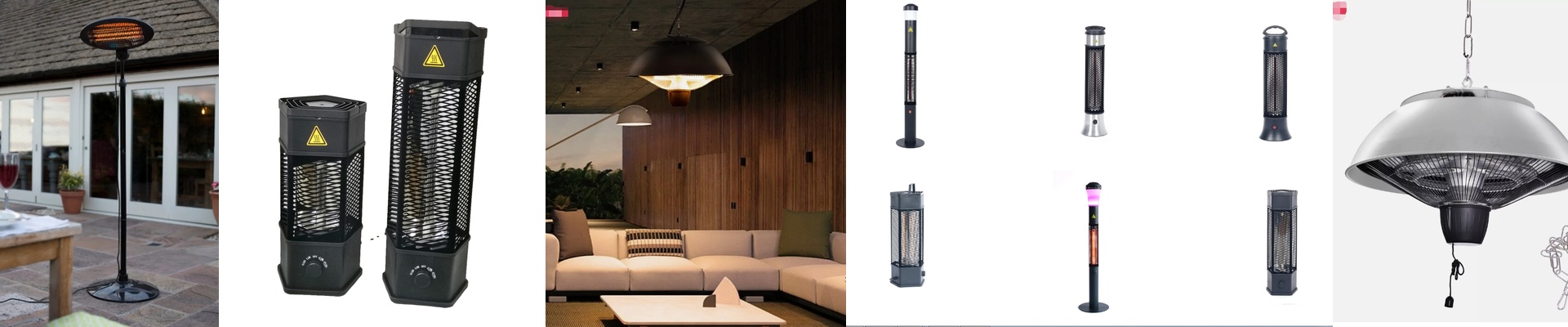
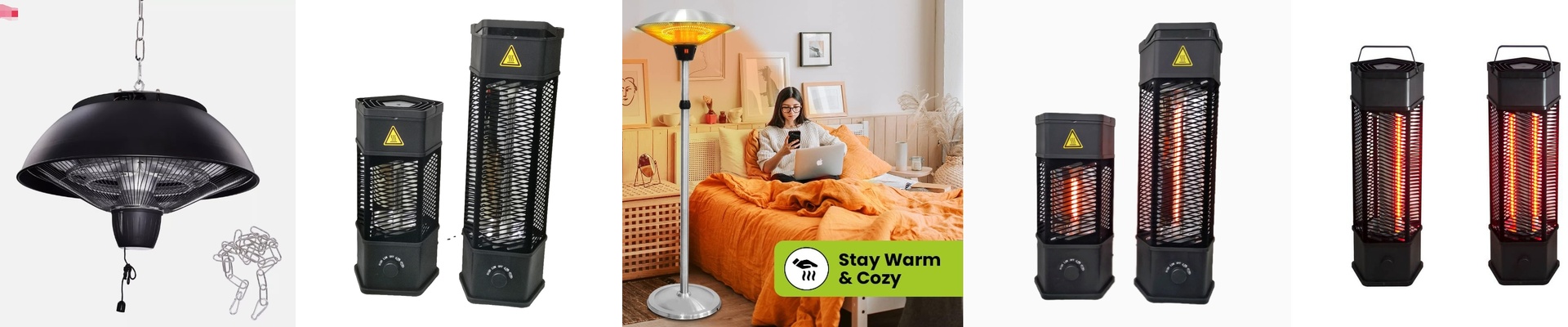
When most engineers talk about “fast response,” they’re usually just talking about speed. But if you’re designing a commercial oven, speed is just a byproduct. The real goal?Stopping the waste. That’s why we lean on circular IR heaters. They solve a annoying problem called thermal inertia. Think of old-school resistive elements like a heavy train—they take forever to get up to speed, and once they’re moving, they can’t just stop. They soak up heat and bleed it out slowly, which is a nightmare for precision. These IR lamps are different. They hit your target temperature in seconds.
The Fight Against “Overshoot”
Here’s the thing about traditional heaters: they stay hot long after the controller tells them to quit. This leads to “overshoot.” The oven temperature keeps climbing past where you wanted it, forcing the system to shut off completely to compensate. You end up wasting a ton of energy heating air you don’t even need. Our circular IR heaters play by different rules. They use shortwave radiation to send energy straight into the product, rather than trying to heat up the entire oven cavity first. The moment your PID controller cuts the power, the heat drops. Almost instantly. This lets you tighten your temperature deadband, meaning you stop fighting the equipment and start saving on your power bill.
The Trade-offs
Of course, you don’t get this kind of punch for free. To make this work, we use high-density quartz glass and specialized filaments. It allows us to cram a massive amount of heat flux into a tiny physical footprint. It’s powerful. Really powerful. But a heads-up: these lamps runhot. While you’re saving energy overall, that concentrated heat is intense. You have to make sure your housing and wiring are built for high ambient temperatures. If your ventilation is lazy, you’re going to risk scorching the oven chassis.
Bringing it to the Floor
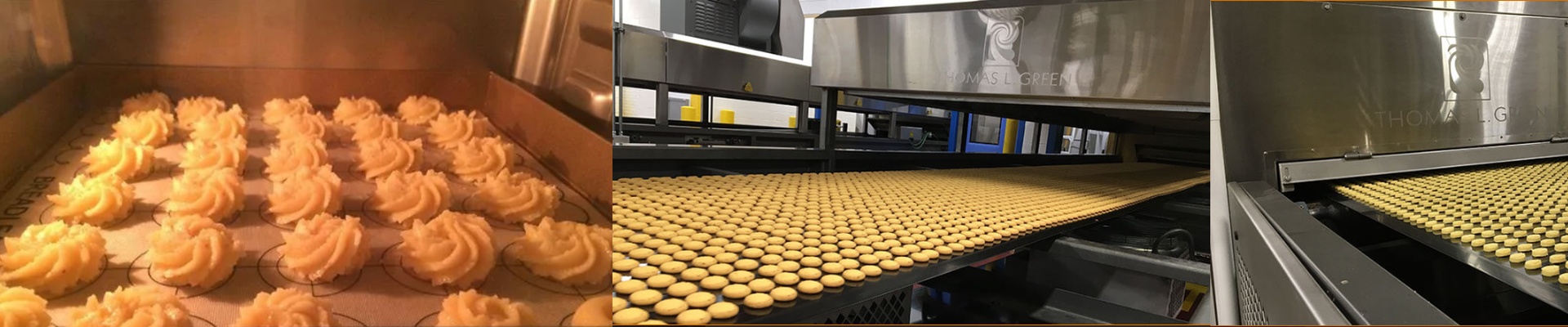
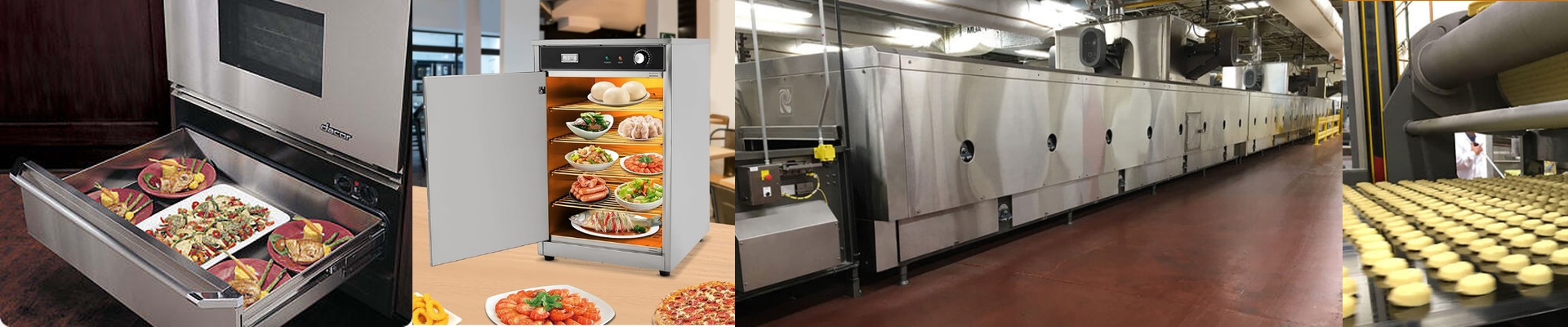
We designed these to be drop-in replacements for commercial baking and curing lines. If you switch from convection or those slow, clunky elements to circular IR, your ramp-up time goes from minutes to seconds. It makes the wiring simpler and takes a huge load off your power grid during those peak cycles. It just works better.