
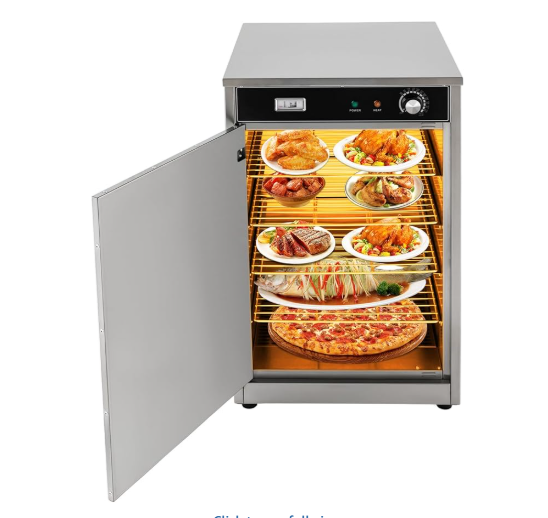
Why Your Oven Keeps Burning the Outside and Leaving the Inside Raw
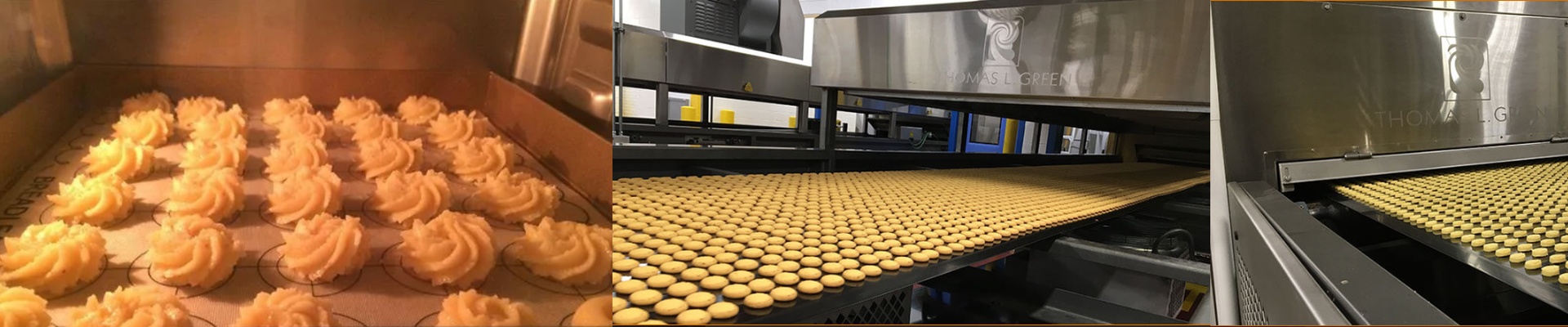
If you’ve spent any time designing ovens, you know the nightmare: that perfectly charred crust on the outside, but a center that’s still basically frozen. It happens because standard convection is just blowing hot air. The air hits the surface, the surface burns, and the heat takes forever to crawl its way to the middle. We figured out a way around this by adding infrared (IR) heat tubes. Unlike air, IR radiation doesn’t need a “middleman.” It travels in waves that dive straight past the surface to shake up the water molecules deep inside the food. It’s like a shortcut for heat.
Getting the Heat Where It Matters
Inside these tubes, you’ve got a tungsten filament wrapped in quartz. When it fires up, it sends out short or medium-wave radiation. The cool part? These waves don’t get stuck on the crust. They slide right through and dump their energy directly into the core. You get your internal temperature up way faster, and everything cooks evenly. No more guessing games.
Picking the Right Tube
When we’re picking out tubes, it usually comes down to wattage and voltage. Higher wattage means more heat flux. In plain English: your food cooks faster. But you can’t just crank it up indefinitely. High-density tubes put a lot of stress on your wiring. If you’re using R7s or SK15 bases, double-check that your sockets can actually handle the current. Otherwise, you’re looking at melted housings—which is a bad day for everyone.
The Quirks of Quartz
We use quartz because it lets those IR waves pass through without soaking up the heat itself. It’s the best tool for the job, but it’s brittle. Quartz hates “thermal shock.” If you blast a scorching hot tube with a wave of cold air, it’ll crack. To keep your tubes from shattering, just let them cool down gradually. Be patient with the ramp-down. And a quick tip on repairs:Match your wattage exactly. If you slide a 1500W tube into a spot meant for 1000W, you’re going to trip your breaker or fry the controller. It’s a simple swap, but the electrical footprint has to be a perfect match. Otherwise, you’re just asking for a short circuit.