
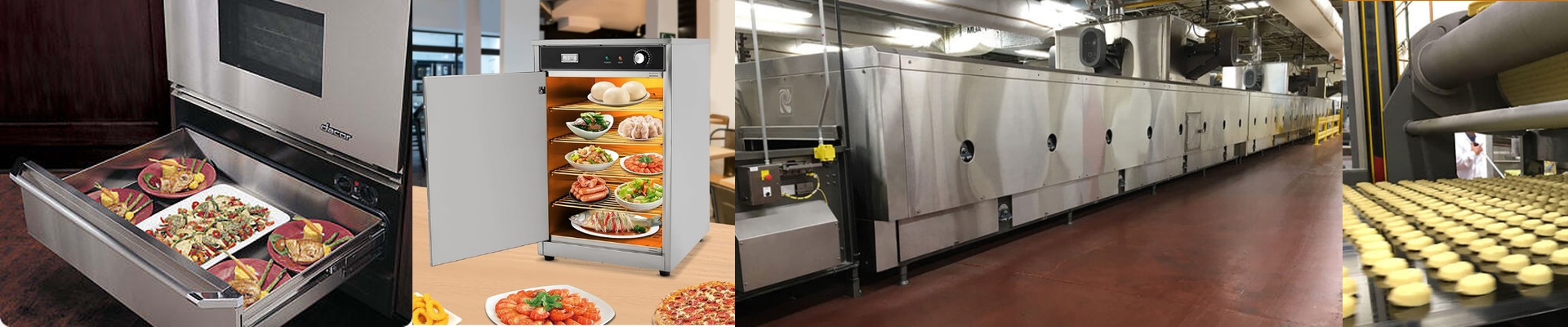
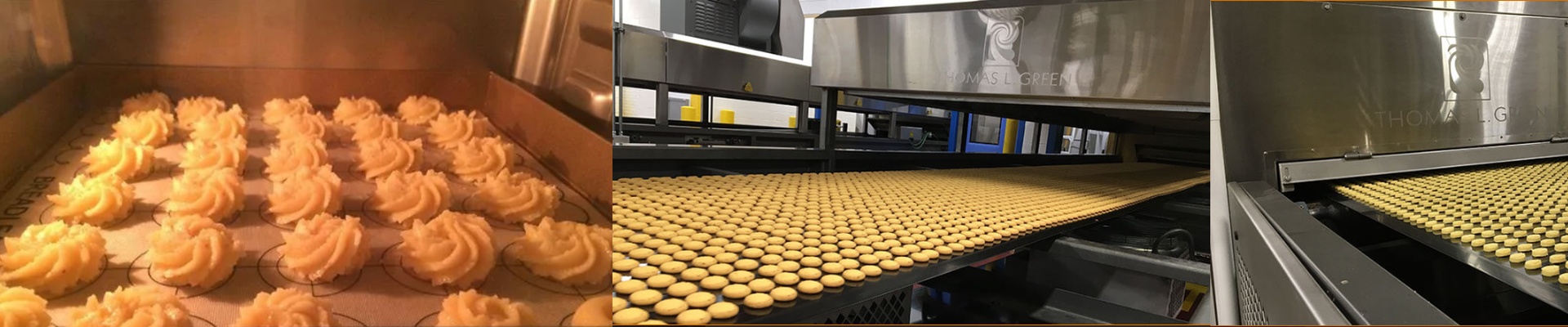
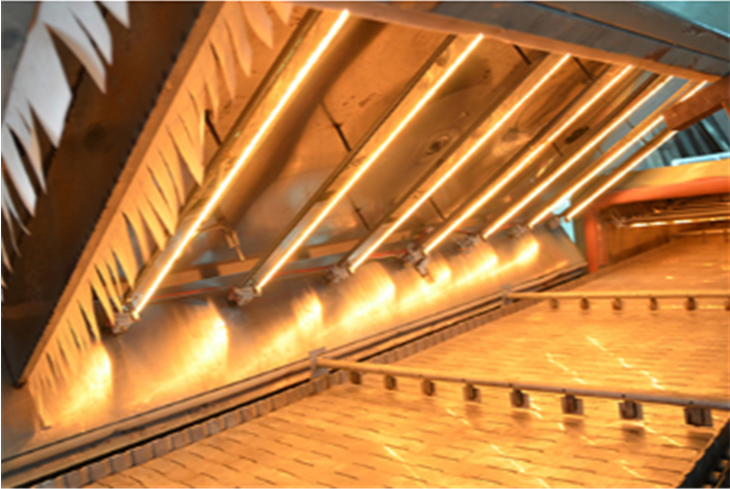
When the rush hits, your deck oven has to perform like a stone hearth—on a deadline. If the heating element can’t keep up, you’re staring at pale bottoms, uneven caramelization, and a stack of tickets that just won’t clear. We built the quartz bread oven ceramic heater to turn that pressure into repeatable bakes, shift after shift. What matters, technically Quartz heat runs hard and responds fast, so the baking chamber comes up quickly and recovers between loads without dropping off. The ceramic heater body adds stable thermal mass, smoothing out temperature swings and keeping the deck profile steady. You get a fast warm-up, tighter control from the thermostat, and consistent surface heat across the stone or deck. In practical terms, that translates to better oven spring early in the bake, more predictable crust color, and fewer loaves that are under- or over-baked. Why it holds up in a busy bakery In a real bakery, speed and consistency are the same thing. This quartz ceramic heater cuts the preheat window, so you can start production sooner. It holds heat during back-to-back bakes, so your crust sets clean and the crumb structure stays intact. You end up with more loaves per hour without chasing temperature spikes, and energy use per bake cycle drops because recovery is faster and heat loss stays low. Run a single deck oven or a bank of units—either way, the bake schedule settles down and remakes fall off. Here’s what to keep in mind These heaters pull serious current and need a dedicated circuit sized to the oven’s power draw. Wiring and connectors have to match the load. They perform best in dry heat environments. The ceramic body is tough, but it can crack if it sees sudden thermal shock or a heavy impact. Make sure mounting, clearance, and airflow line up with the manufacturer specs. Get the installation right, and the heater does the rest.