
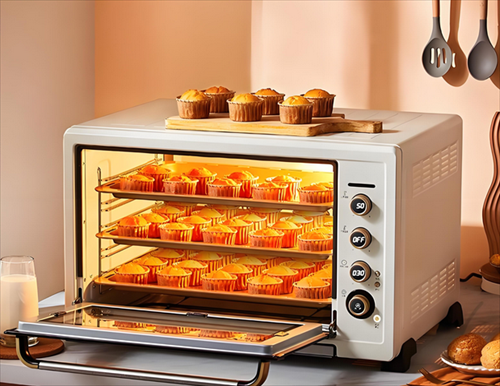
Stop Waiting on Your Oven to Catch Up
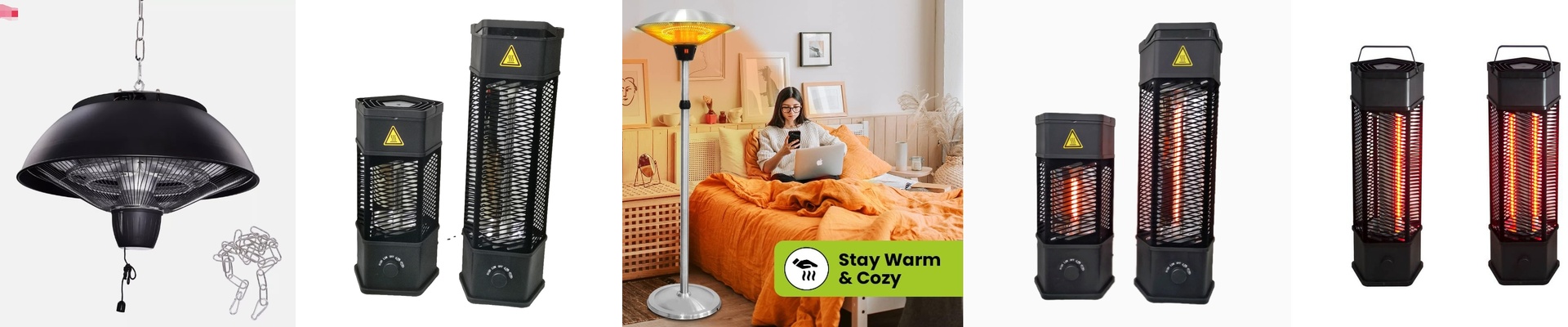
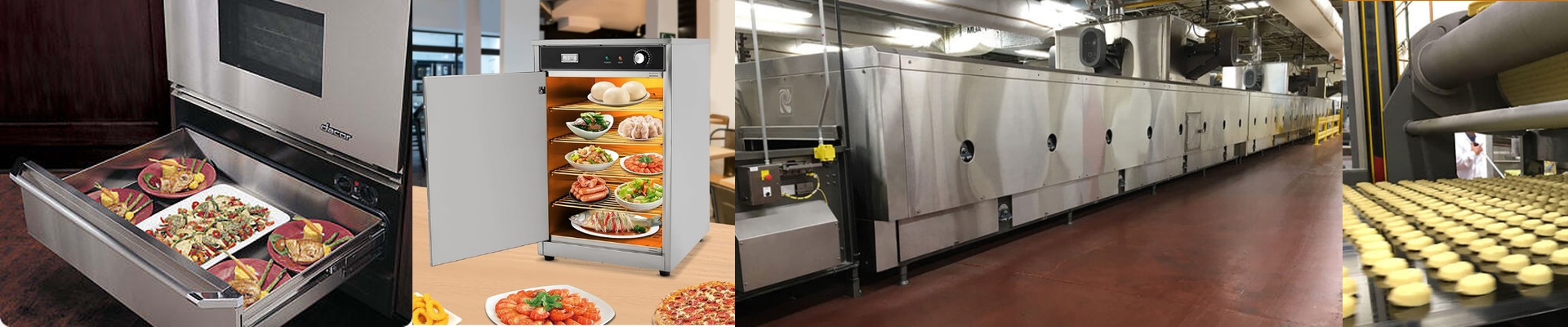
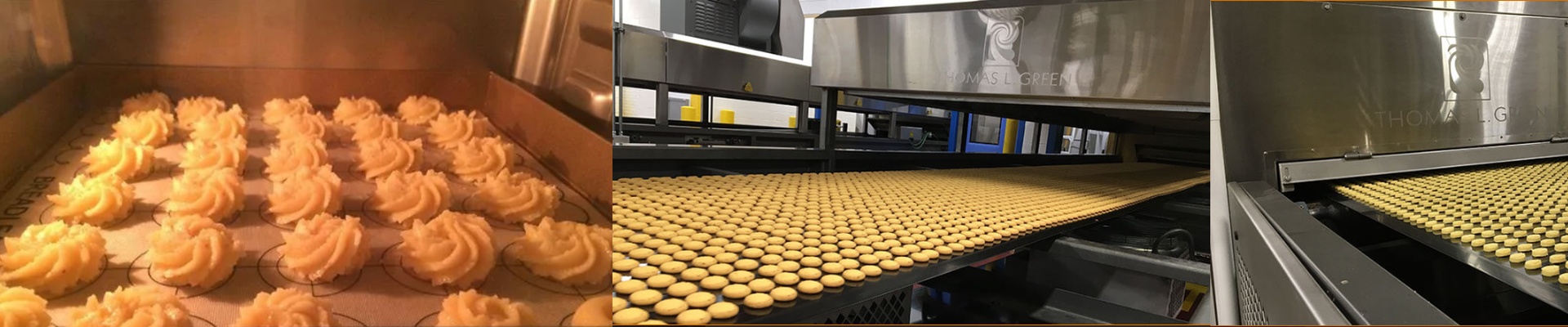
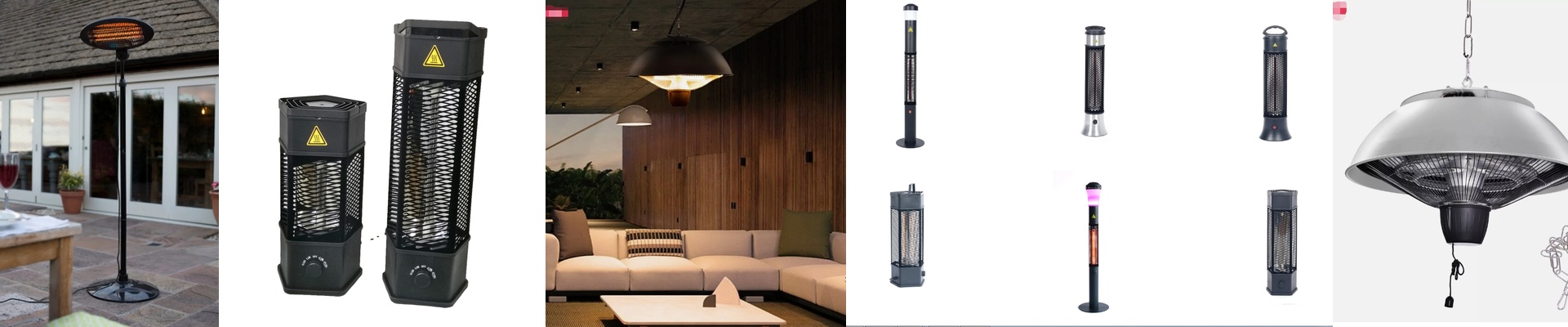
Nothing kills a production schedule like a slow oven. You know the feeling—you’ve got a fresh batch ready to go, but you’re just standing there waiting for the temperature to climb back up. If you’re relying on just convection or standard heating elements, you’ve probably realized they can’t always keep up. They’re too slow. That’s why we use linear infrared (IR) bulbs. Think of them as a turbo boost for your heat. Instead of waiting for the air to warm up, these bulbs shoot thermal energy straight into the product. It’s immediate. How it actually works Here’s the thing: convection is about heating the air. IR is different. It uses electromagnetic waves that just skip right over the air and hit the dough or pastry instantly. It’s fast. Really fast. And that changes everything for your workflow because your cycle times actually start to shrink. The nitty-gritty on specs When we pick out these lamps, we look at the oven’s size and the voltage you’re running. Higher voltage is usually the way to go if you want longer tubes without losing that punch of heat. But a word of warning: if you’re pushing for maximum heat to shave every possible second off your bake, you have to keep your reflectors spotless. If carbon builds up on them, your efficiency just vanishes. It’s a simple fix, but it makes a huge difference. Getting them installed We keep things simple with standardized connectors—usually R7s or SK15—so you can just swap them out without a headache. We also use high-purity quartz glass. Why? Because these bulbs go from cold to screaming hot in seconds, and cheap glass would just shatter from the shock. Some of our setups even have a special coating. It tweaks the heat spectrum so you get that perfect, golden-brown crust without accidentally burning the inside. A few things to watch out for These lamps pack a punch, but they aren’t free. They pull a lot of power. If you’re adding a few kilowatts of extra heat, double-check your wiring and contactors. You don’t want to fry your electronics. And remember, these things get incredibly hot. Give them some breathing room in the housing. If the quartz touches something or gets trapped in a heat soak, it’ll crack. Give it space, keep it clean, and it’ll do the heavy lifting for you.