Stop Letting Your Oven Slow You Down
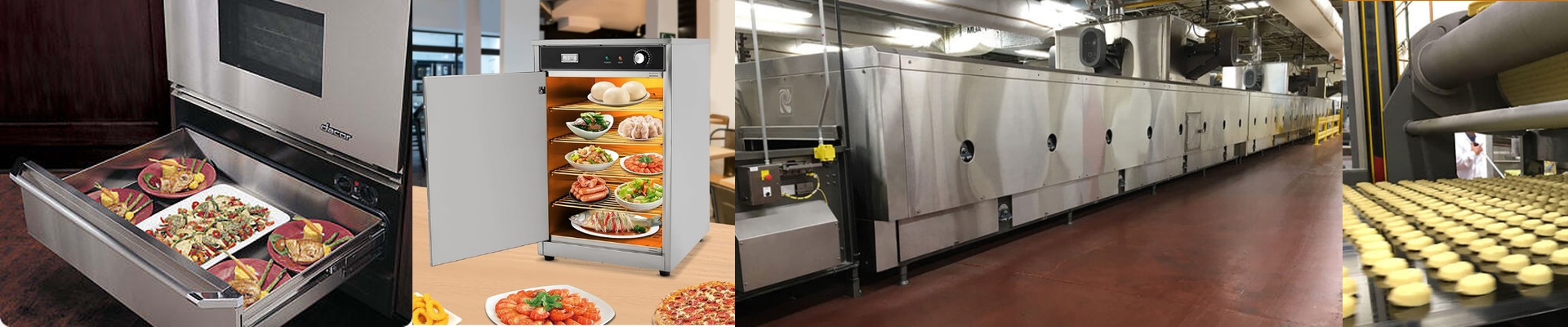
There is nothing worse than being in the middle of a dinner rush and feeling your oven lose its edge. You slide in a few more pies, the temperature dips, and suddenly your production rhythm is gone. Your main heating system is trying its best, but it just can’t keep up with the chaos. That’s where auxiliary infrared (IR) lamps come in. Think of them as a turbo button for your oven. They aren’t there to do all the work; they’re there to snap the heat back to where it needs to be the second it drops.
How it actually works
Most ovens rely on moving hot air around, which takes forever. Infrared is different. It’s like stepping into the sun on a July afternoon—you feel it instantly. These lamps shoot heat directly onto the pizza. By adding them as a boost, you create a high-intensity zone right at the top. The cheese melts faster, the crust sets quickly, and you aren’t standing around waiting for the whole oven cavity to warm back up. It just moves faster.
The nitty-gritty on setup
We usually go with quartz-halogen tubes. Most of them use R7s or SK15 connectors, so you can just pop them in and get back to work. But a word of warning: watch your wattage. If you try to shove a high-wattage tube into a 230V line that can’t handle it, you’re going to trip your breakers. Not a great look during a Friday night rush. We also like using coated quartz. It changes how the heat hits the food, making sure the dough actually cooks through instead of just charring the top.
A few things to watch out for
More heat is great, but it puts a strain on your gear. If you’re running 1000W+ tubes in a tight space, make sure your housing is built to take the heat. And please, be careful with the glass. Quartz is fragile. One clumsy move during a swap and you’ve got a broken tube. **Pro tip:**Always wear gloves when you handle them. The oils from your skin leave invisible spots on the glass. Those spots turn into hotspots, and that’s how you burn out a tube way sooner than you should.