

Making Your Patio Heaters Actually Smart
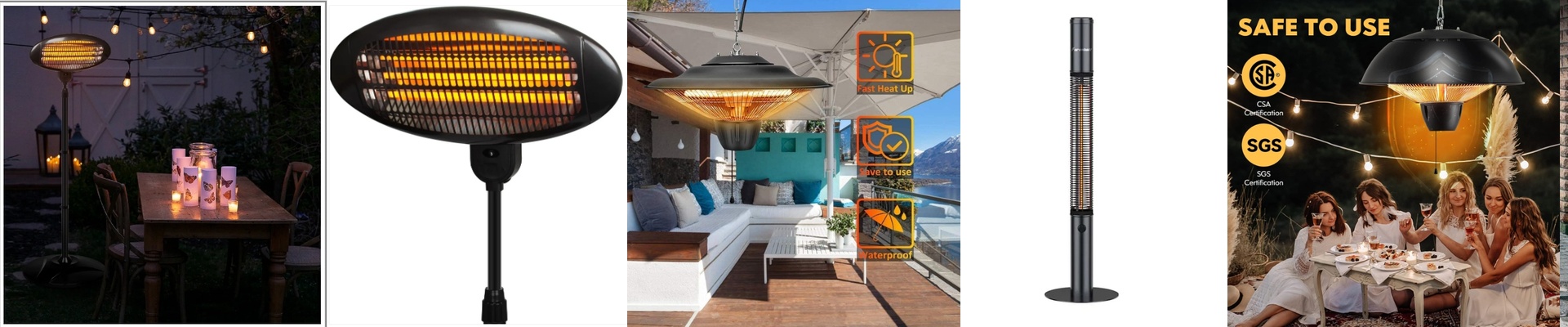
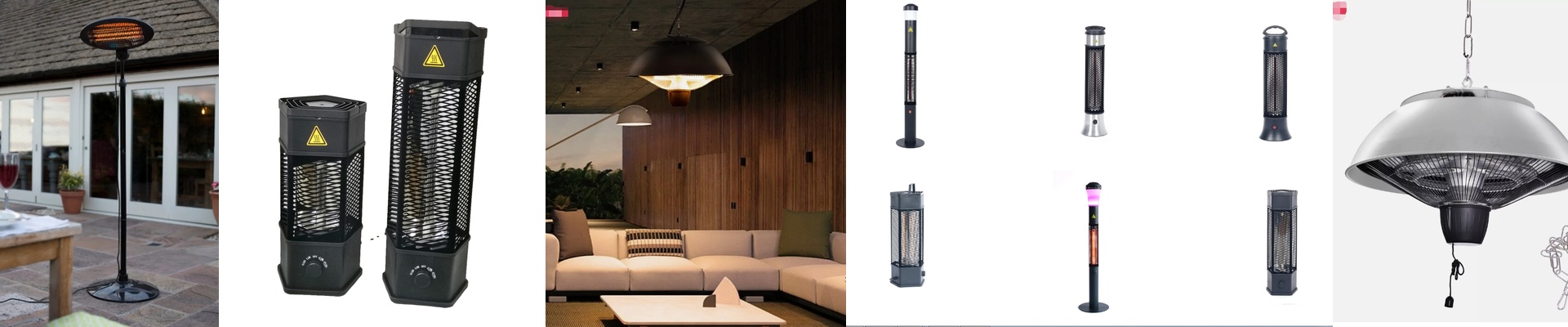
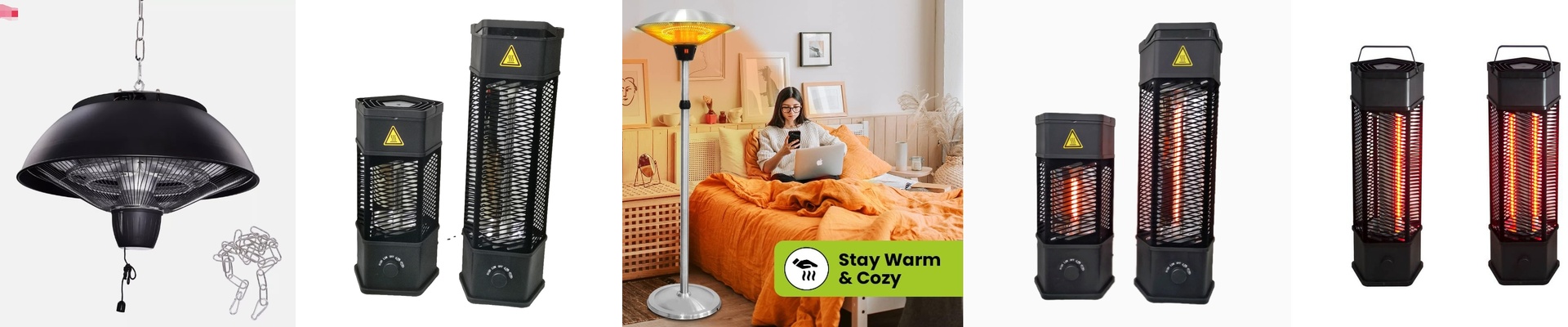
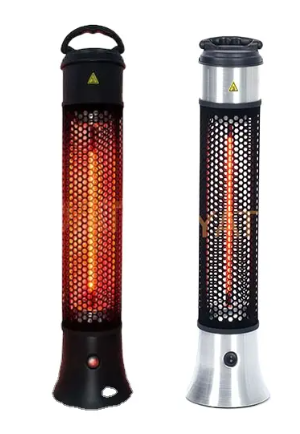
If you’ve ever spent time around a professional outdoor bar, you know how those infrared heaters work. They don’t waste time trying to warm up the entire outdoors—which is basically impossible—they just beam heat straight at you and your guests. It’s that instant, cozy feeling that makes you forget it’s freezing outside. But flipping a manual switch every time the wind shifts is a pain. So, we make them “smart.”
How we actually build it
To get these things talking to your phone, we tuck a wireless relay or a Zigbee/Wi-Fi controller right between the power source and the heating element. Now, since this is outdoors, we can’t just use any old parts. Everything goes into a rugged, waterproof box so a bit of rain doesn’t fry your electronics. We also use heavy-duty relays. Infrared lamps pull a lot of power the second they kick on, and cheap gear just won’t cut it. When you tap “On” in your app, the signal hits the controller, the relay snaps shut, and that quartz or halogen tube glows red instantly. No waiting around. It’s like flipping a switch from winter to spring.
The “Set it and Forget it” part
The real magic happens when you link the heaters to the rest of your home. You can set up a simple rule: if the outdoor temperature sensor hits 10°C, the heaters just turn themselves on. You don’t even have to think about it. Plus, we usually hook everything into one central hub. Nobody wants ten different apps just to manage one patio. You can group all your heaters together so the whole bar area stays warm and even, rather than having one “hot spot” and three freezing corners.
A few things to watch out for
Here’s the honest truth: adding smart tech adds another thing that could potentially break. If your Wi-Fi goes down or your hub crashes, you don’t want to be shivering in the dark. That’s why we always put a physical override switch on the unit. If the tech fails, you just walk over and flip the switch. Simple. One last tip—watch your power. These high-wattage arrays pull a massive amount of current. Make sure your outdoor circuit breaker can handle the total load, or you’ll be tripping the breaker every time the party gets started.