

Why we put our bathroom lamps through “the torture chamber”
Let’s be honest: bathrooms are a nightmare for electronics. You’ve got freezing cold air one minute and a thick, heavy cloud of steam the next. It’s a brutal cycle. If a heating lamp isn’t built for this, it’s doomed. A tiny leak in the seal lets moisture creep in, it hits the tungsten filament, and pop—your bulb is dead in a few weeks. We don’t want you dealing with that headache, which is why we put our lamps through damp-heat aging tests.
The battle against steam
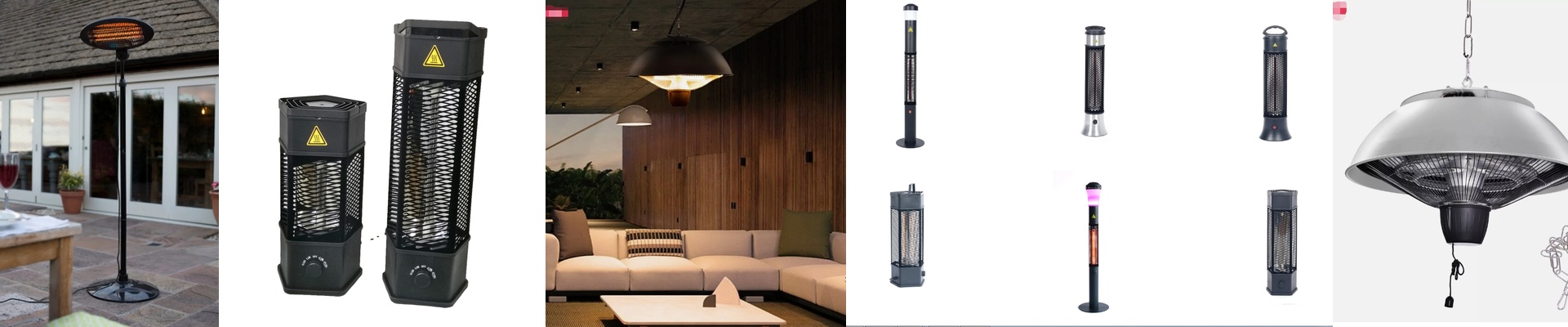
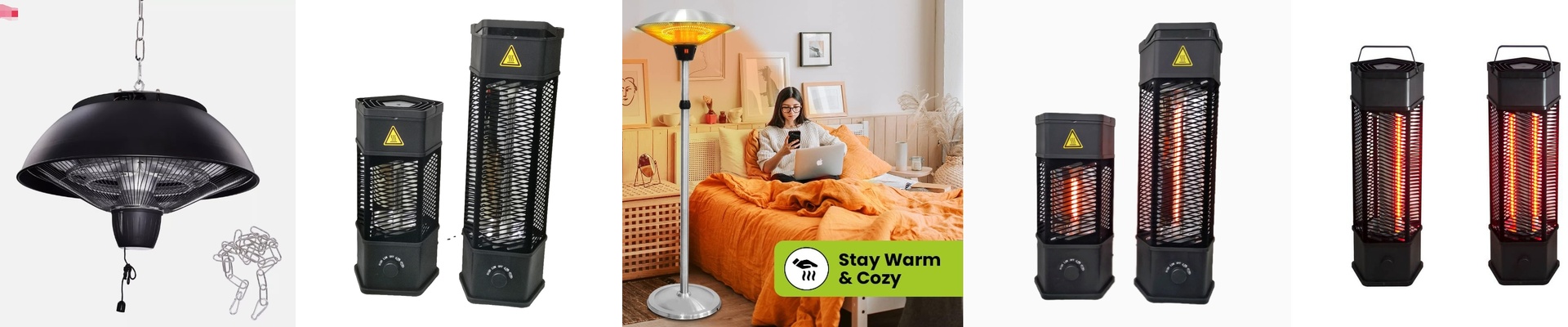
Most of these heaters use shortwave infrared quartz tubes. Quartz is fantastic for pumping out heat, but there’s a catch. The “pinch seal”—that little spot where the wires enter the glass—is usually the weak link. In a steamy bathroom, water vapor looks for any way in. If that seal isn’t perfect, the vapor gets through and starts eating away at the filament. It thins out, gets brittle, and eventually just snaps. To stop this, we basically simulate years of showers in a few days. We lock the lamps in high-humidity chambers and push them until they break. We want to find the breaking point here, not in your customer’s home.
The shock of the heat
It’s not just about the wetness, though. It’s the speed. One second the lamp is cold; the next, it’s hitting 500°C. That happens in a blink. That kind of rapid expansion puts a massive amount of stress on where the glass meets the metal. If those materials don’t expand at the exact same rate, the glass cracks. We handle this by power-cycling the lamps over and over. We’re looking for those tiny micro-cracks—the kind you can’t even see—that would cause a short circuit the moment they hit a wet zone.
A little heads-up on installation
Here’s the trade-off: when you make a seal this strong, the whole assembly becomes a bit more rigid. This means you can’t just manhandle them during installation. If you over-tighten the fixtures or put too much side-pressure on the tubes, you’re basically undoing all that hard work we did on the seal. Just stick to the specs. As long as the housing is wired up right to handle the heat, you’re golden.