
Getting Your Bathroom Heating Right: A Practical Guide
If you’re putting heating into a wet room, the IP55 rating is your starting point. It basically means the unit won’t freak out if some dust gets in or a few stray water jets hit it. But the real trick? Getting the wattage to match the size of the room. You don’t want to blow your budget on overkill, but you also don’t want a heater that’s fighting a losing battle against cold tiled walls.
Finding the Sweet Spot for Wattage
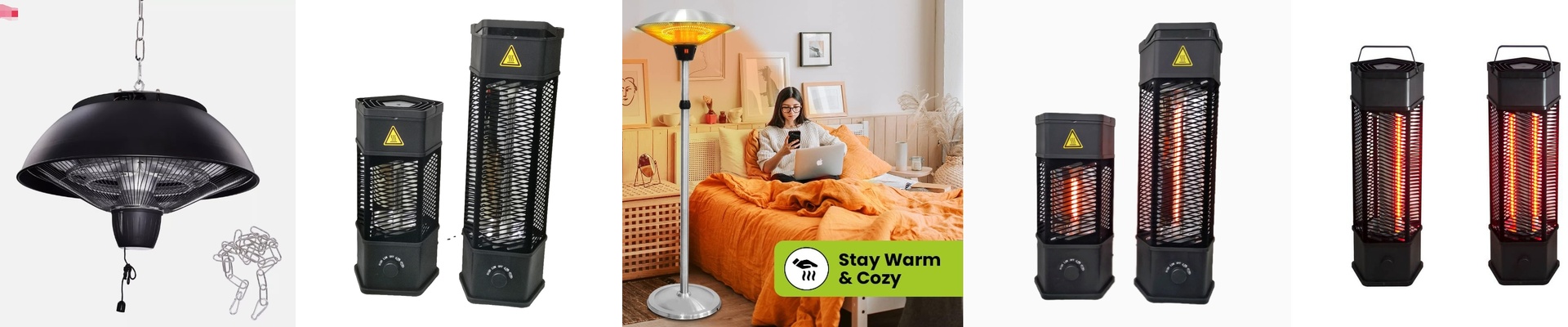
Here’s the thing: infrared is different. It doesn’t just warm up the air; it warms up you and whatever you’re standing on. For a tiny powder room, something in the 400W to 600W range usually does the trick. But if you’re dealing with a big master bath, you’ll probably need to bump that up to 800W or 1200W. Get this wrong, and you’ll feel it. A 1200W lamp in a tiny stall is just oppressive—it feels like standing too close to a campfire. On the flip side, a 400W unit in a huge room will just struggle. It’ll run at full blast 24/7 trying to keep up, and it’ll burn out way faster than it should.
Staying Safe and Smart
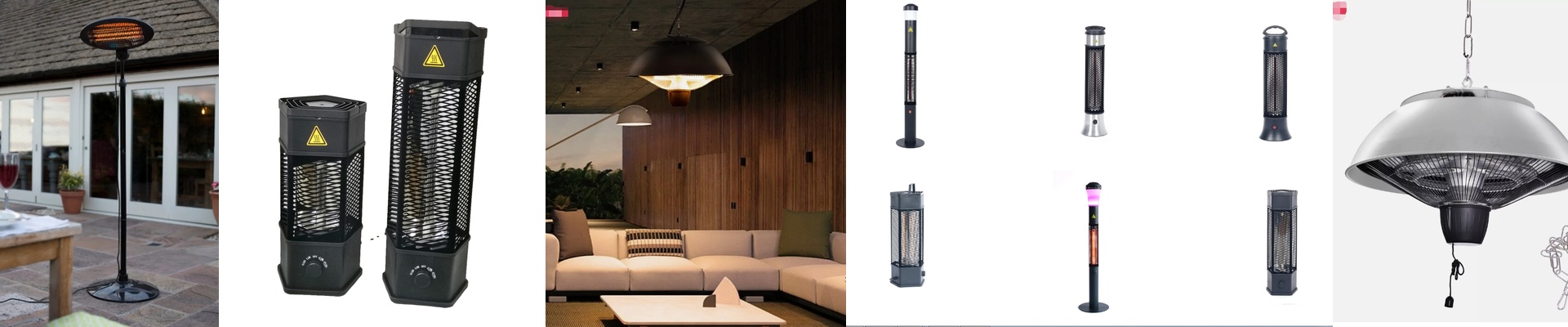
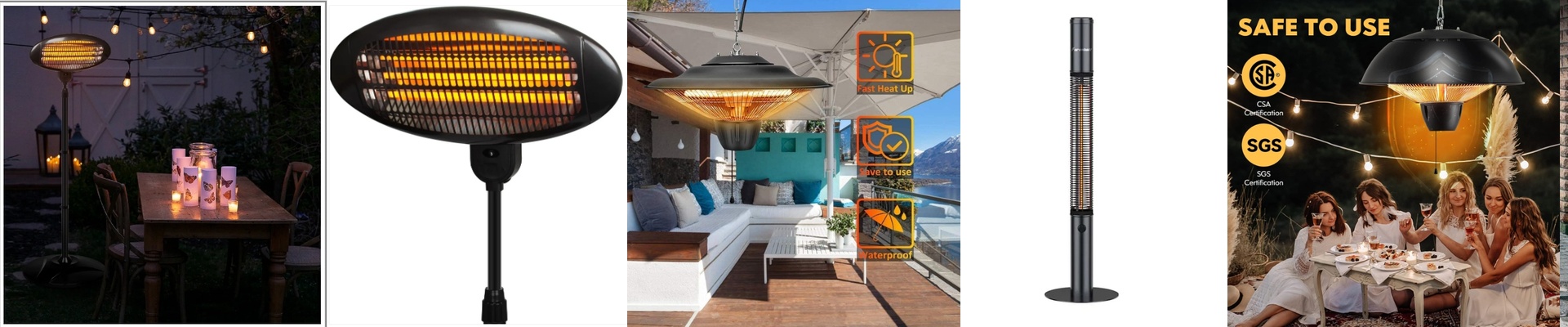
We use quartz glass and specific reflectors to keep the heat where it belongs—on the floor or the person—rather than baking your ceiling fixtures. And since these are IP55, we seal the connections tight to keep moisture from creeping in. Just be careful with where you mount them. If they’re too low, you’re risking skin burns. Stick them high up. Plus, throw in a timer or a thermostat so the room doesn’t turn into a sauna.
The Trade-off
Higher wattage means you’re warm the second you flip the switch. It’s great. But it puts a lot more pressure on your electrics. If you’re working in an older building, please check your wire gauge. Trying to push three 1200W lamps through thin, old wiring is a recipe for tripped breakers or, worse, wires getting dangerously hot inside your walls. Just make sure your breakers are sized for the peak load. It’s a small check that saves a huge headache.