
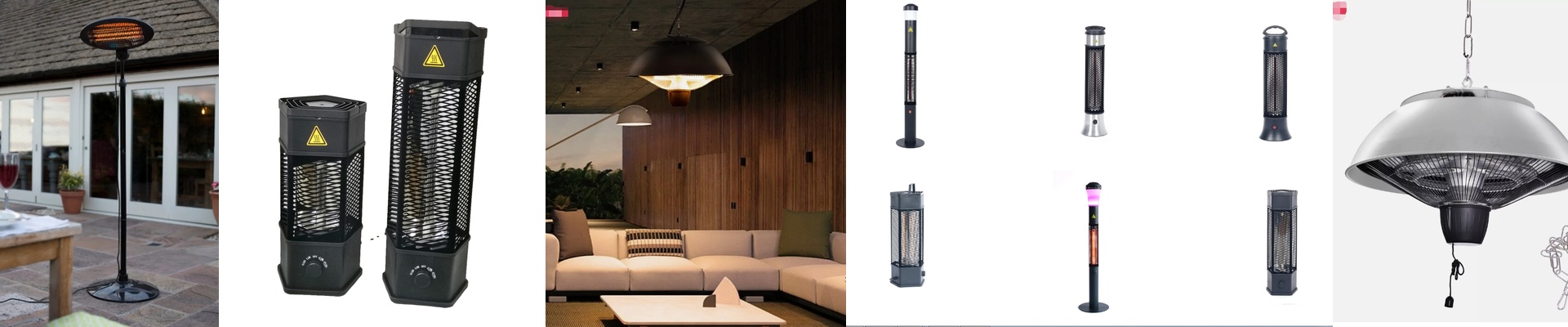
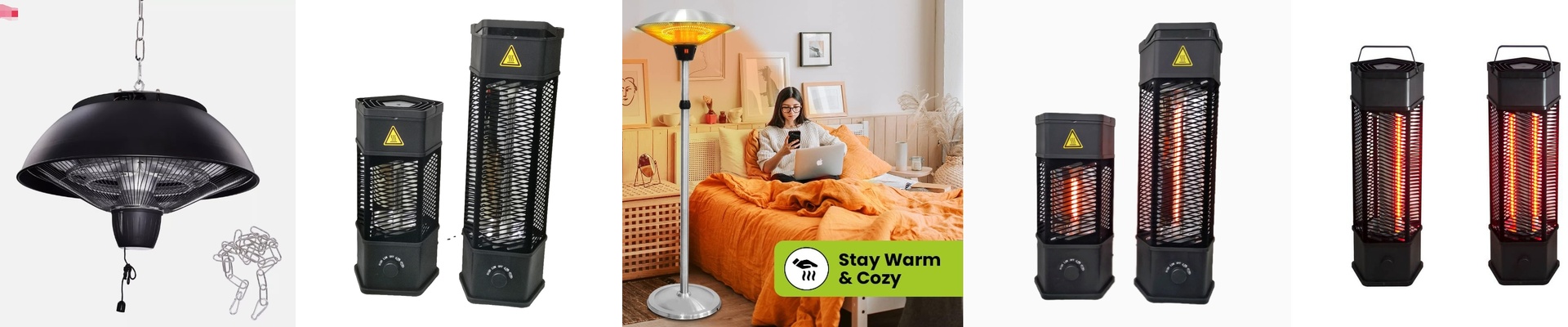


Putting Infrared Heaters in the Bathroom Without Burning the House Down
Look, putting an infrared heater in a bathroom is a different beast than sticking one on a patio. You’ve got steam, splashes, and constant humidity. If you aren’t careful, a cozy heater can quickly become a dangerous liability. To get this right, you have to think way beyond just a plastic cover.
The Deal with IP55
You’ll see “IP55” thrown around a lot. In plain English? It means the unit can handle dust and low-pressure water jets coming at it from any angle. We make this happen by using heavy-duty gaskets to seal the chassis and moisture-resistant cable glands. It’s all about keeping the wet stuff out. Because if a seal leaks, condensation settles right on the heating element. That’s bad. It creates a path for electricity to jump from the live terminals to the frame. To stop that from happening, we tuck the electrical connections into their own sealed little room, far away from the quartz tube that’s doing the actual heating.
Stopping the Leaks
Here’s the thing: humidity kills the air’s ability to insulate electricity. That’s why we use reinforced materials that don’t give up just because they’re damp. We also use wiring with special sheathing. It’s designed to take the heat and the moisture without cracking or peeling as it warms up and cools down. But listen, even with the best seals, youmustwire these into a dedicated RCD (Residual Current Device) circuit. Think of the RCD as your ultimate safety net. If something goes wrong and there’s a ground fault, the RCD kills the power instantly. Better safe than sorry.
The Trade-offs
Nothing is perfect. Adding all those IP55 seals makes the unit a bit bulkier and restricts how the air moves around the internal electronics. Because of that, the guts of the machine run hotter than they would in an open-air setting. You can’t just slap it anywhere. Make sure your mounting bracket isn’t blocking the heat from escaping, or you’ll burn out the components way too soon. One last tip: mount it high enough to avoid the direct spray of the shower, but leave plenty of breathing room between the heater and your ceiling.