
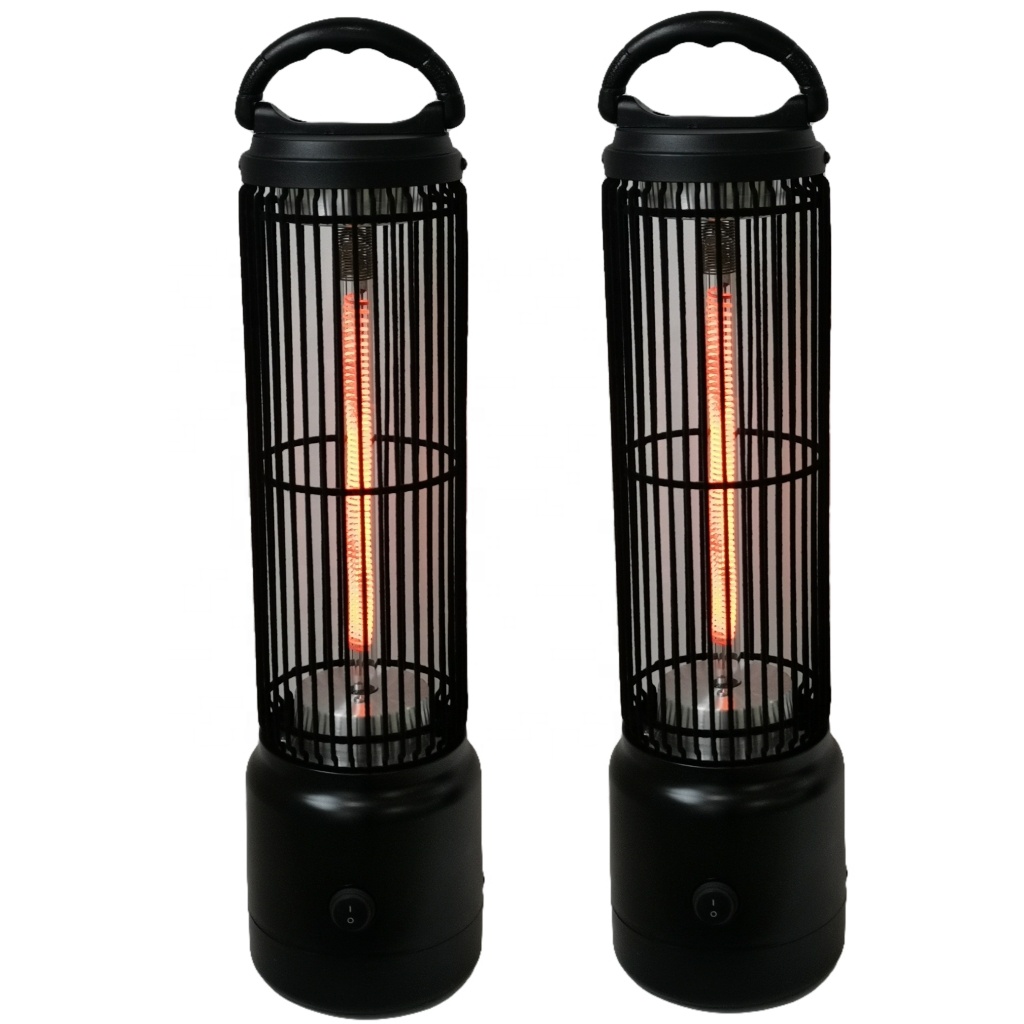
Keeping the Heat, Losing the Glare: How We Handle Infrared Bathroom Heaters
When we design infrared lamps for bathrooms, we’ve got one big problem to solve: how do you give someone a blast of warmth without blinding them? Think about it. These things usually go right into the ceiling. If you’re standing under one—or worse, if you’re bathing a baby—you don’t want a harsh, piercing light beaming straight down into your eyes. That kind of glare is just stressful. The trick to eye safety To fix that “blinding” feeling, we play around with the light spectrum. Most standard halogen lamps put out a lot of visible light and blue-light peaks. Not great for your retinas. So, we use special quartz coatings or internal filters to dial that back. We push the energy into the mid-to-long wave range instead. The result? You feel the heat on your skin, but the light stays soft and mellow. Comfort over “Hot Spots” It’s also a balancing act with the wattage. If you cram too much power into a tiny filament, it creates a “hot spot” that glows white-hot. It looks like something you’d find in a factory, not a bathroom. We spread that load across the filament. It keeps the color temperature down and avoids that stark, industrial look. It just feels… warmer. A few things to keep in mind Here’s the catch: because we’ve filtered out the glare, these lamps aren’t very bright. If you were hoping the heater would double as your main bathroom light, you’re going to be disappointed. It’s too dim for that. You’ll definitely want some separate LEDs for when you actually need to see what you’re doing. And since these live in the steamiest room in the house, we make the seals incredibly tight. If moisture hits the electrodes, the lamp is toast. Just a heads-up: make sure your fixtures are rated for the wattage you’re using. You don’t want to accidentally melt your housing.