
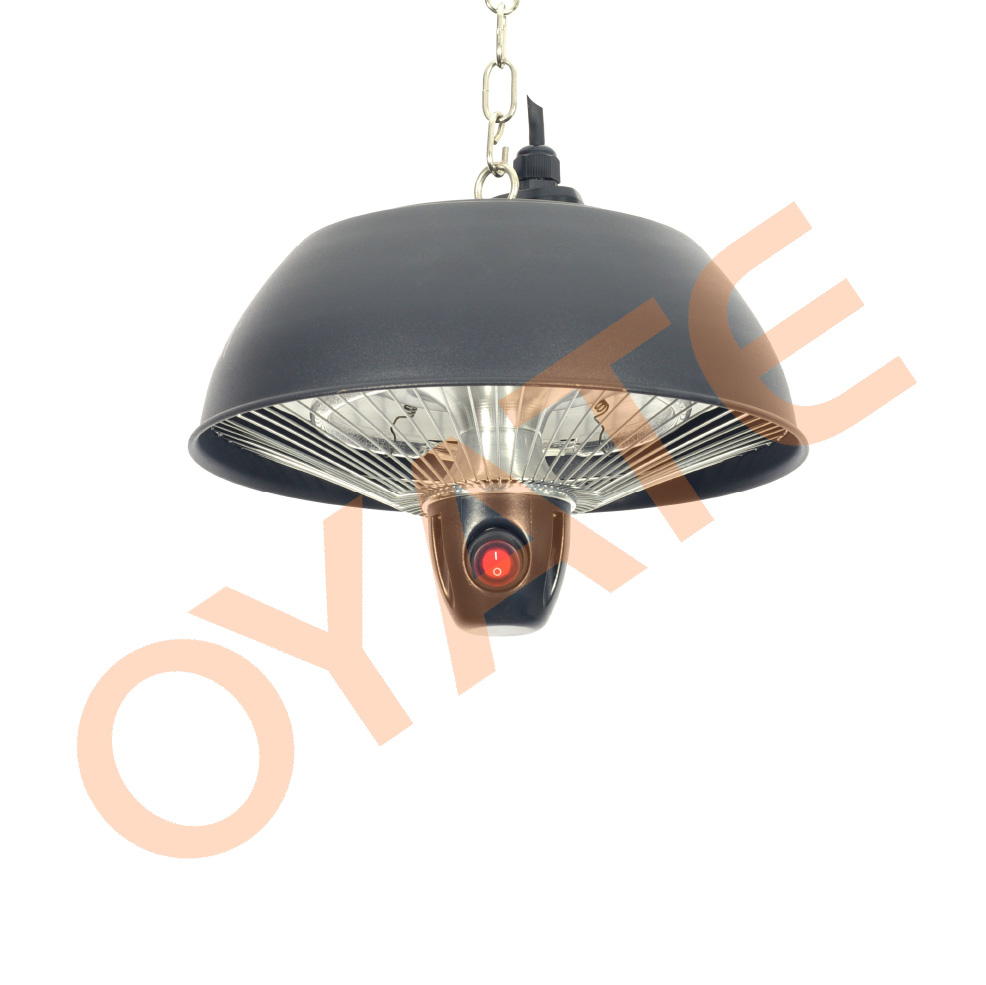
Getting the Heat Right in Your Bathroom
When we design infrared heaters for bathrooms, we spend a lot of time obsessing over the light. Why? Because nobody wants to feel like they’re standing under a stadium floodlight while they’re trying to dry off—especially not when you’re bathing a baby.
Keeping it Easy on the Eyes
You’ve probably seen those old-school short-wave lamps. They blast out this blinding white light that honestly just hurts to look at. It’s stressful for your eyes. We do things differently. By tweaking the filament and using special quartz coatings, we filter out the harsh UV and high-energy light. Instead of a glare, you get a soft, warm glow. It’s all about the physics. We lean into medium and long-wave infrared. These waves are great at soaking into your skin to make you feel warm, but they don’t attack your retinas. You get all the cozy heat, and none of the squinting.
The Nitty-Gritty Hardware
These lamps run on your home’s standard power, but we keep a close eye on the wattage. If the bulb is too powerful for the fixture, things get dangerous. We use high-purity quartz glass so the heat actually gets to you instead of getting trapped in the bulb. **Just a heads-up:**Make sure your fixture is actually rated for the bulb you’re using. If you put a high-wattage lamp in a cheap plastic housing, you’re going to melt the casing. Simple as that. Give the unit some breathing room to vent.
Swapping Them Out
We made these as drop-in replacements. They fit into standard sockets, so when one finally burns out, you can swap it in a few seconds. But here’s the catch: bathrooms are damp. Steam gets everywhere. You’ve got to make sure the seal around the base is tight. If water leaks in, it’ll either short the circuit or cause the quartz to crack the next time it heats up. Keep the contacts clean, keep the seals tight, and your heater will last a lot longer.