Stop Freezing in the Changing Room: Why Infrared is the Only Way to Go
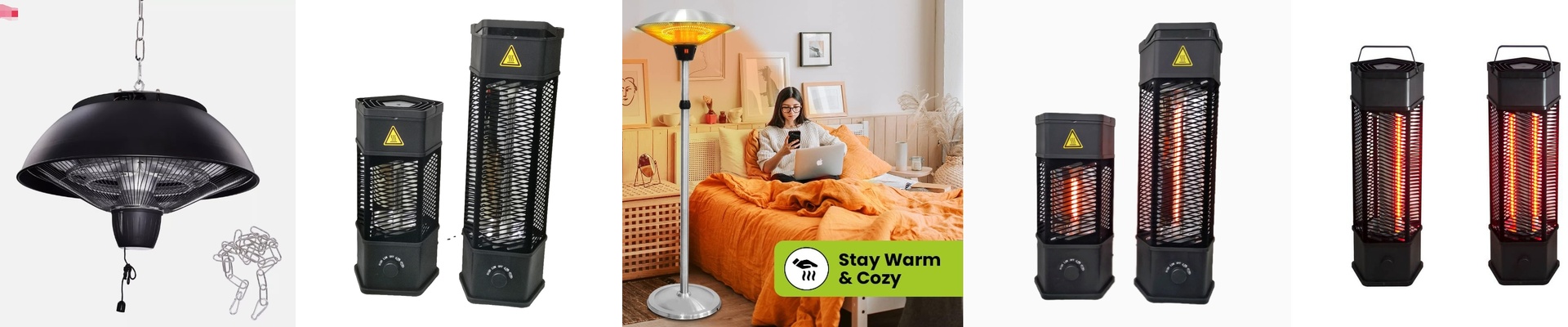
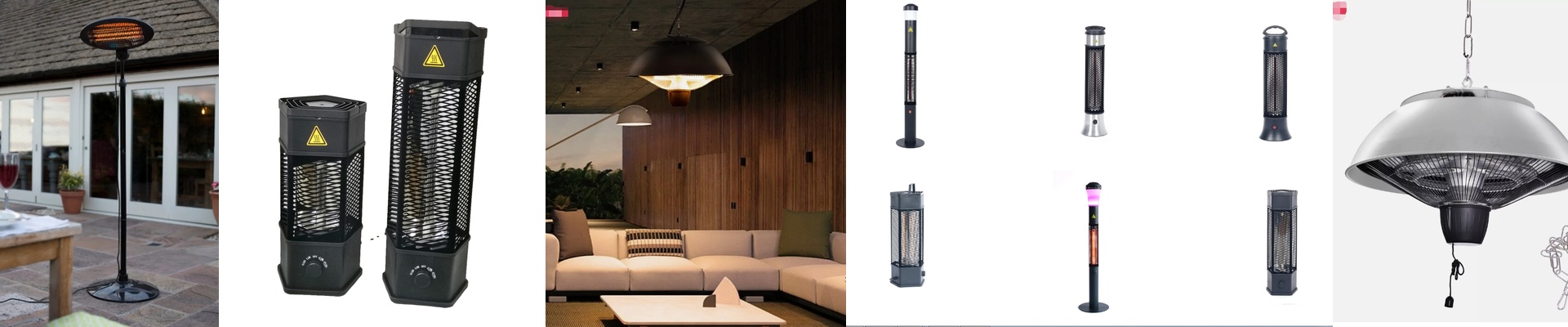
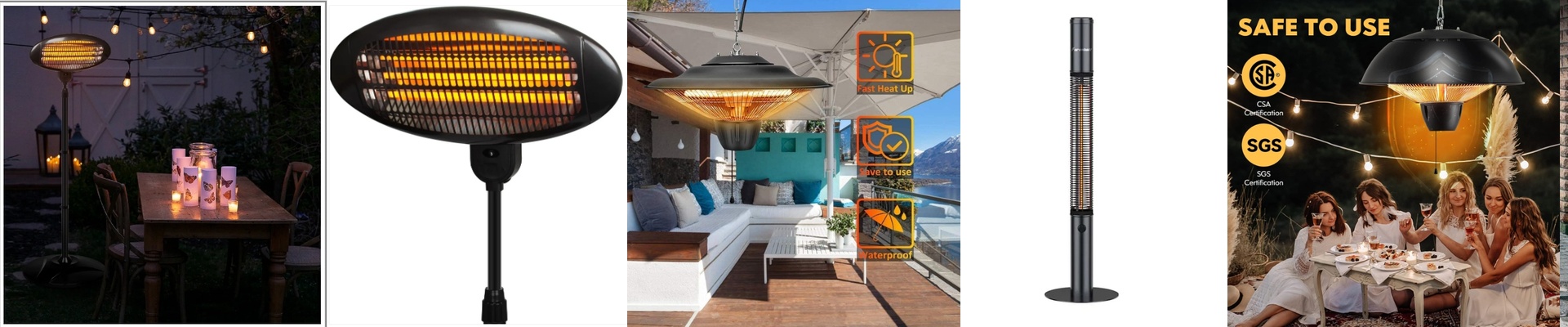
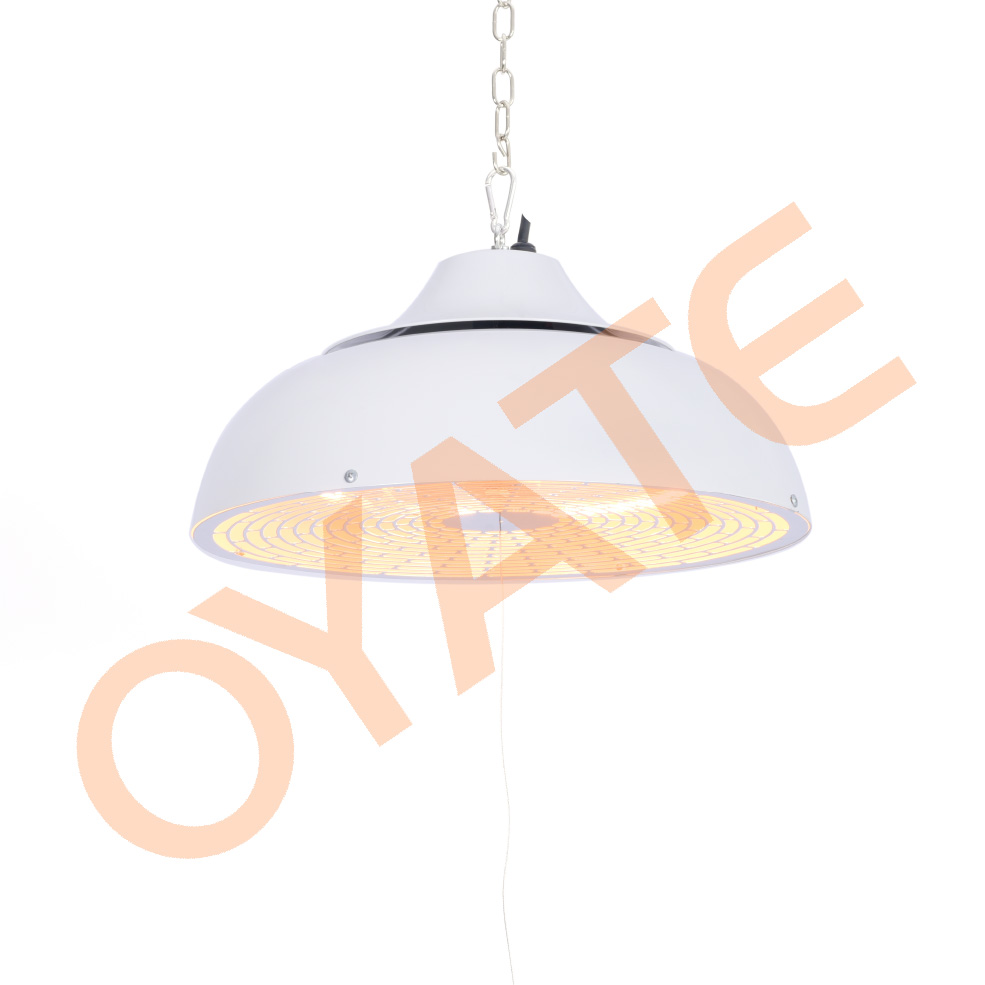
Ever tried to heat an outdoor changing area with a standard space heater? It’s a waste of time. You’re basically trying to heat the entire outdoors. The wind just whisks the warm air away before you can even get your boots off. That’s why we use shortwave infrared (IR). Instead of fighting the wind, IR ignores the air entirely. It goes straight for the target—you. Warmth, right now. Our units use quartz elements that heat up basically the second you flip the switch. You don’t have to wait for a heavy oil radiator to slowly warm up. The moment you step inside, you feel that deep, cozy heat on your skin and clothes. It feels like stepping into a luxury spa, even if you’re in the middle of a rainy parking lot. Built for the mess. Outdoor gear takes a beating. Between the humidity and the random splashes, things get wet. We use IP55 or IP65 rated housings, which is just a fancy way of saying we’ve sealed the electrical bits tight with gaskets and corrosion-resistant coatings. Water stays out; the heat stays on. One quick tip on the electrical side: watch your breakers. If you pack in too many heaters to get that “instant” feel, you’re pulling a lot of power. Make sure your cabling can handle the load so you don’t end up with voltage drops (or a tripped fuse right when someone’s shivering). Getting the placement right. Where you hang these matters. If you mount them too high, the heat loses its punch before it reaches you. Too low? You’ll bake the person standing directly under it while everyone else stays cold. We usually suggest a strategic overhead layout to keep the warmth even across the whole space. And a word of warning for the coast: salt air is brutal. It eats through cheap metal for breakfast. If you’re installing these near the ocean, don’t skimp. Go with 316 stainless steel housings. It’s the only way to stop the casing from pitting and falling apart over time.