


Why Quartz Tubing Matters When Things Get Steamy
If you’re putting infrared heaters in a bathroom or an outdoor wash station, you’re basically fighting a war against two things: moisture and “thermal shock.” Standard heating elements just aren’t built for this. They’ll give up fast. To actually make this work, you need a housing that can handle a soaking (IP66) and quartz tubing that won’t blow out the moment things get chaotic.
The deal with “Explosion-Proof” Quartz
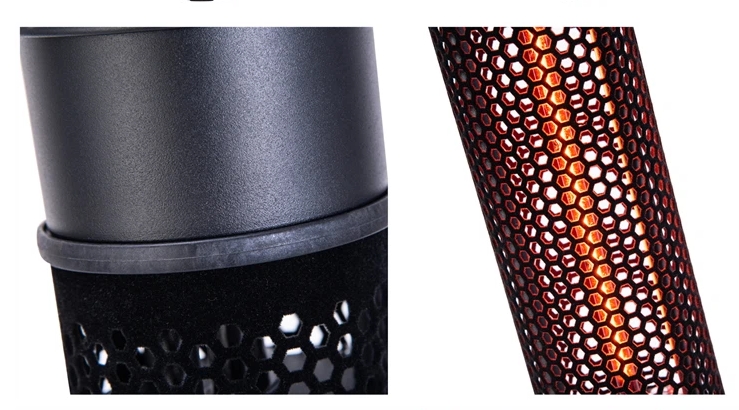
Here is the thing about high-purity quartz: it doesn’t freak out when the temperature swings. Imagine a red-hot heating element. Now imagine a stray drop of cold shower water hitting it. In cheap glass, that sudden chill causes a localized contraction that leads to a crack—or a shatter. It’s messy and dangerous. But this quartz is engineered to take that hit. It keeps the heating filament safe and dry, tucked away from the humid air. And if the tube ever does manage to crack? The circuit breaks immediately. That’s a huge relief because it stops the whole thing from shorting out in a wet room.
Keeping the water out
You’ll see the “IP66” label on these. In plain English, that means the unit is dust-tight and can handle a high-pressure blast of water without breaking a sweat. We seal the chassis and the wiring entries tight so steam and spray never even touch the internal terminals. One heads-up, though. Infrared heats up fast. Like, really fast. Because you’re packing a lot of power into a small space, the heat load is intense. Double-check your wiring gauge. If you go too thin on the cables, your connectors will melt long before the quartz tube even thinks about failing.
A few things to keep in mind
These units are tough, but they aren’t invincible. First, be careful with how you clean them. Harsh chemicals can eat away at those IP66 seals over time. Just use a cloth and some mild soap; it’s all they really need. And remember, while the quartz loves the heat and hates the cold, it still hates being hit with a hammer. It’s glass, after all. Put a sturdy guard over the tubes so nobody accidentally smashes them. Keep them protected, keep the wiring heavy-duty, and you’re good to go.