
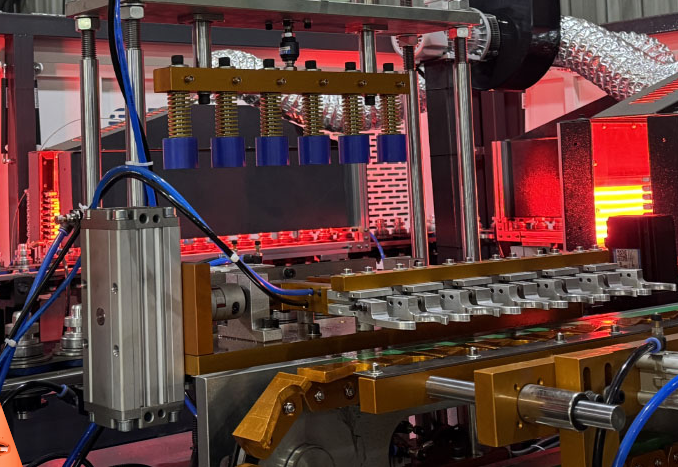
Getting the Heat Right for Your Sidel Matrix SBO
If you’ve ever tried swapping out lamps in a Sidel Matrix, you know that just matching the wattage isn’t enough. It’s not that simple. To get the bottle right, you need the voltage, the filament shape, and the light spectrum to line up perfectly. We built our 380V replacement bulbs to be true drop-ins. They don’t just “fit”—they mirror the exact way the original lamps push heat into the PET preform. The electrical side of things Here’s the thing: a lot of generic lamps fail because they ignore the relationship between voltage and wattage. Since Sidel uses a specific power architecture, that 380V rating is critical. We obsess over the resistance of the tungsten filament. If it’s off by even a few ohms, the lamp draws the wrong amount of current. That messes with your ramp-up time. By keeping the specs identical to the factory ones, you won’t have to spend your whole afternoon messing with PLC settings. Quartz and Heat To handle the constant heating and cooling of the SBO process, you need high-purity quartz. We use a heavy-wall envelope so the tube doesn’t bow or warp when things get intense. Plus, we make sure the filament is dead-center. This keeps the heat flux uniform. When the radiation pattern is consistent, you stop seeing those annoying “cold spots” on the preform. No more uneven walls or that cloudy pearlescence in the final bottle. A quick reality check These lamps are designed to push a lot of heat to keep your cycle times fast. But there’s a catch. Running 380V tubes at full tilt puts a massive load on your cooling blowers. If your blowers are clogged with dust or starting to fail, the heat builds up inside the oven. That’ll kill your lamps early, no matter how high the quality is. Keep your airflow clear, and your bulbs will last much longer. It’s easy. Wire them in, set your timers, and you’re back to that original thermal curve.