Getting Bacteria Out of the Way—Fast
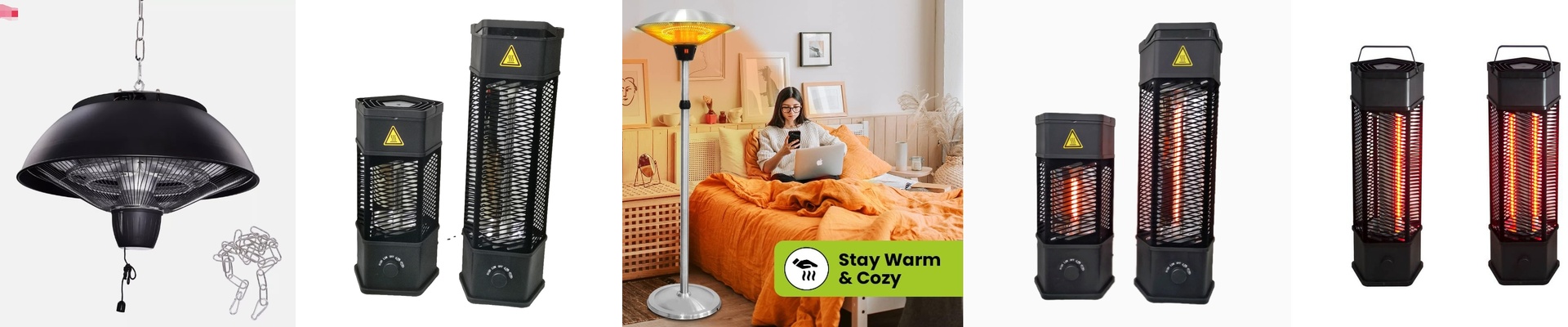
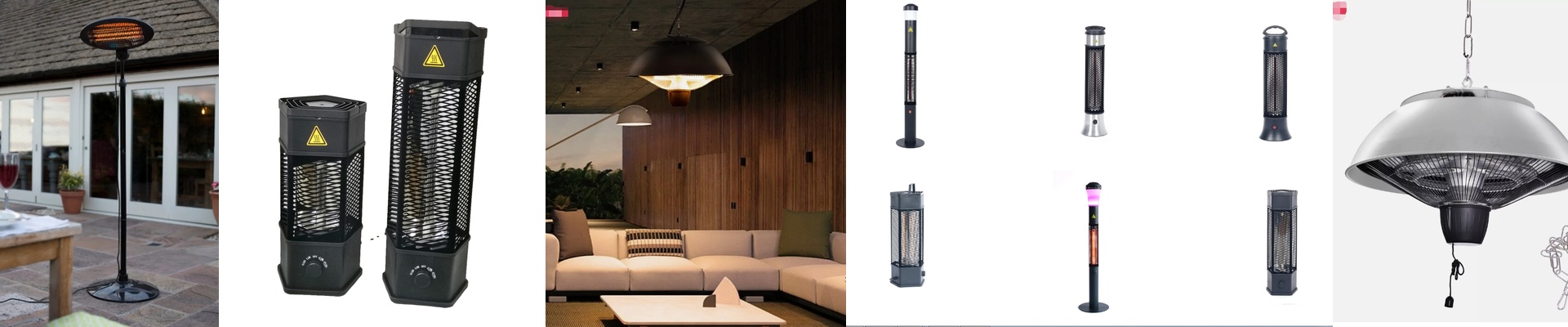
If you’re trying to sanitize a restaurant cabinet in a matter of seconds, standard heating just won’t cut it. It’s too slow. You can’t afford to wait around for the air to warm up. That’s where short-wave infrared (SWIR) bulbs come in. Instead of wasting time heating the air, these lamps shoot energy straight into the surfaces of your equipment. It’s the difference between waiting for a room to warm up and stepping into a beam of sunlight. You hit those sterilization temperatures almost instantly. Why it actually works We use quartz tubes filled with halogen to get that high-intensity blast. The magic here is that short-wave energy doesn’t get “lost” in the air on its way to the target. The second you flip the switch, the filament screams to peak temperature. No long pre-heat cycles. No waiting. Just heat, right where you need it. The nuts and bolts These bulbs are small but pack a massive punch of wattage. To keep things simple, we usually stick with R7s or SK15 connectors. Why? Because when a bulb eventually burns out, you want to be able to pop a new one in without needing a degree in electrical engineering. We use quartz glass because it can handle the heat without melting and lets the IR radiation pass right through. One quick tip: watch your voltage. If you’re wiring up a whole array of these, make sure your power supply can handle that initial surge, or you’re going to have a bad time. The trade-offs Now, all that heat comes with a catch. Because the energy is so intense, you have to be careful. If the bulbs are too close to the walls, you’ll start warping your plastic parts or melting your gaskets. It happens. You’ve got to be smart about your shielding and mounting brackets to account for the metal expanding as it gets hot. And for heaven’s sake, don’t skimp on the cooling fans. If they aren’t sized right, your control electronics will fry. Keep your drivers far away from the heat zone and you’ll be golden.