

Stop Throwing Away Your Outdoor Heaters
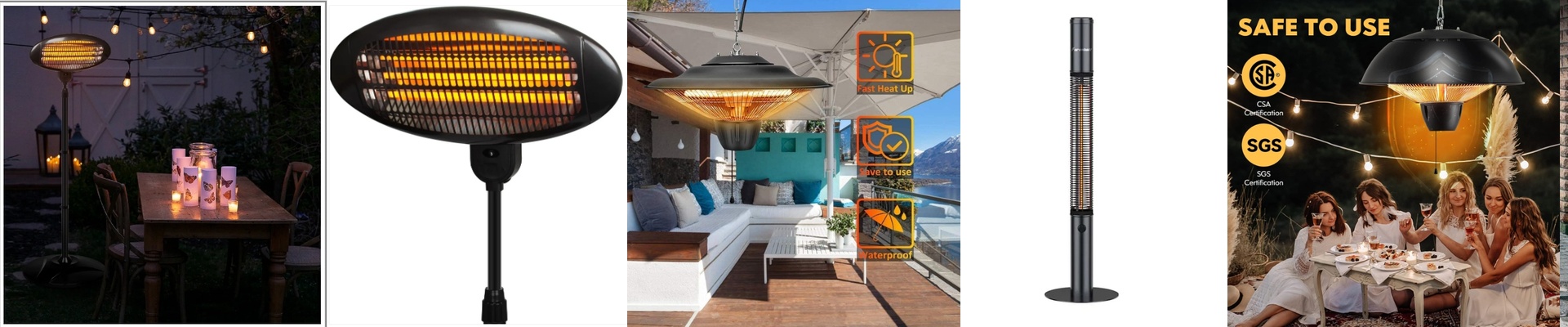
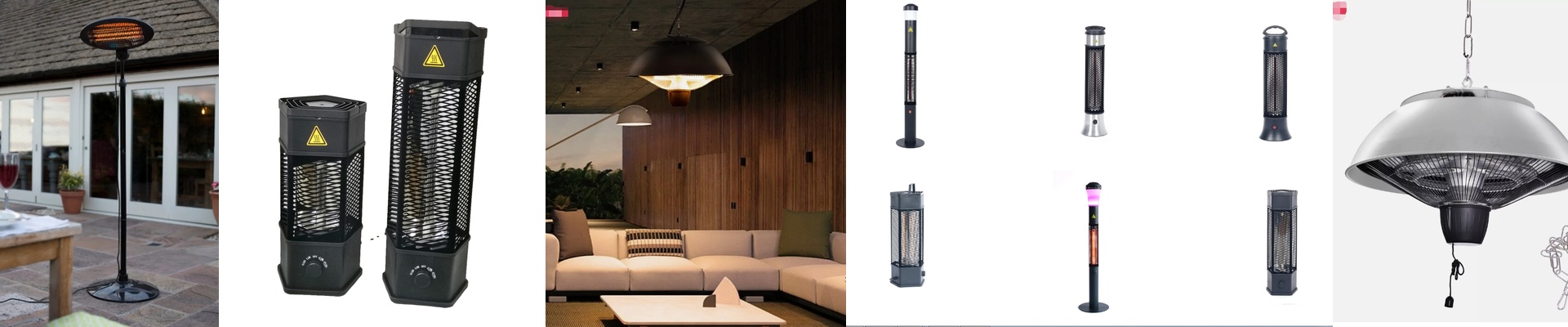
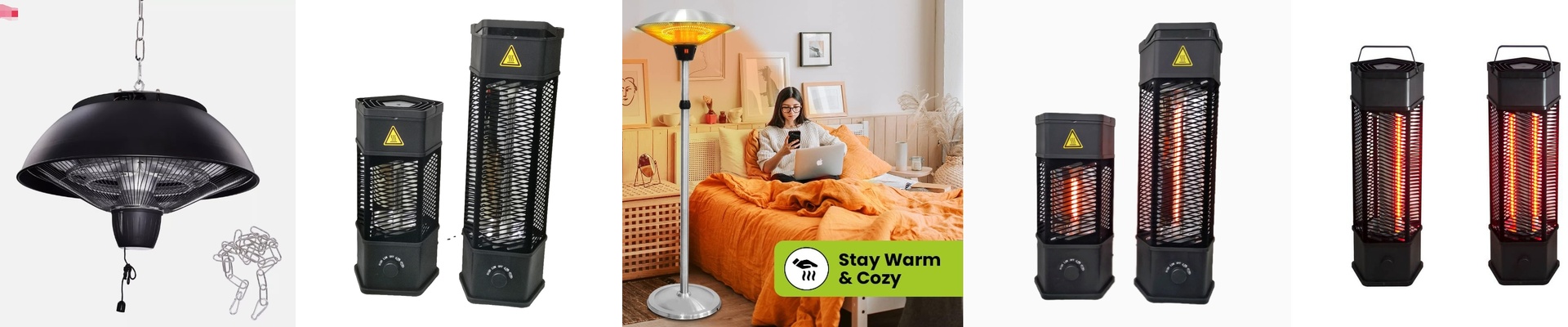
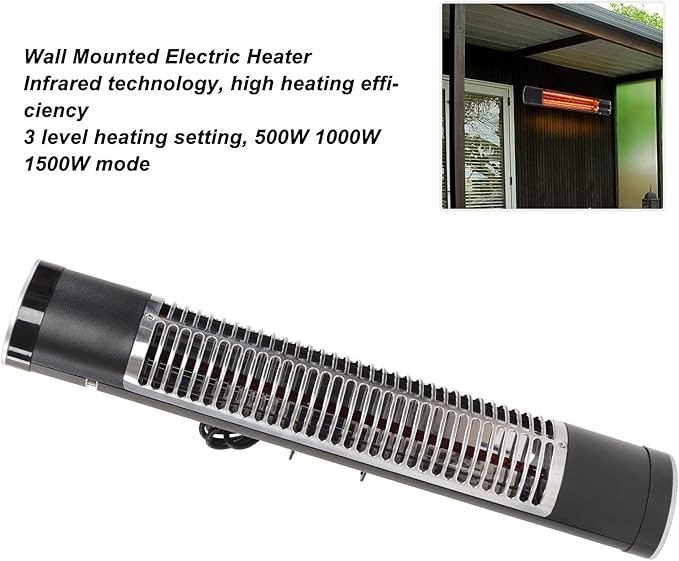
Let’s be honest: most outdoor heaters are designed to be disposable. They’re built as one big, sealed chunk of metal. The second a heating element burns out after a few winters, the whole thing is basically a giant paperweight. It’s a waste of money and a pain in the neck. We got tired of that, so we built our IP65 garden heaters differently. The “Plug-and-Play” Secret We went with a modular setup. Think of it like a cassette player. If a tube dies five years from now, you don’t have to rip apart the entire housing or mess around with the control board wiring. You just unscrew a few clips, slide out the dead tube, and pop in a new one. It takes minutes. No waiting days for a repair tech or hauling a heavy unit back to a warehouse. Keeping the Rain Out (Without Locking You Out) Now, here’s the tricky part. Keeping a heater waterproof (that’s the IP65 part) usually means sealing it shut forever. We didn’t want that. We used compression gaskets and reinforced seals that can take a beating from the rain and dust, but are still easy enough for you to move by hand. Since these heaters live outside, they go through a lot of “breathing”—expanding when they’re hot and shrinking when they’re cold. Cheap seals warp under that kind of stress. We used high-temp silicone instead, so the weatherproofing actually lasts. The Reality of the Job Look, no heater lasts forever. Quartz tubes eventually dim or they crack because someone bumped into them. Since we kept the heating element separate from the main power block, you won’t need a soldering iron or a degree in electrical engineering to fix it. You just swap the module and you’re back in business. One quick tip: when you’re swapping tubes, make sure the contact pins are clean. If there’s any gunk or oxidation on the connectors, it creates a hot spot that can melt the socket. Just give them a quick wipe, and you’re good to go.