



Making High-Ceiling Infrared Heaters Actually Smart
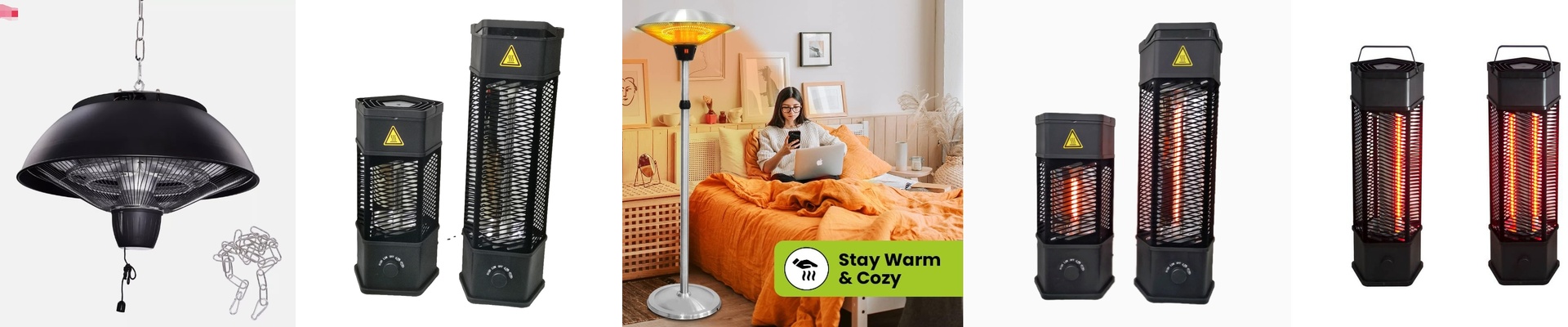
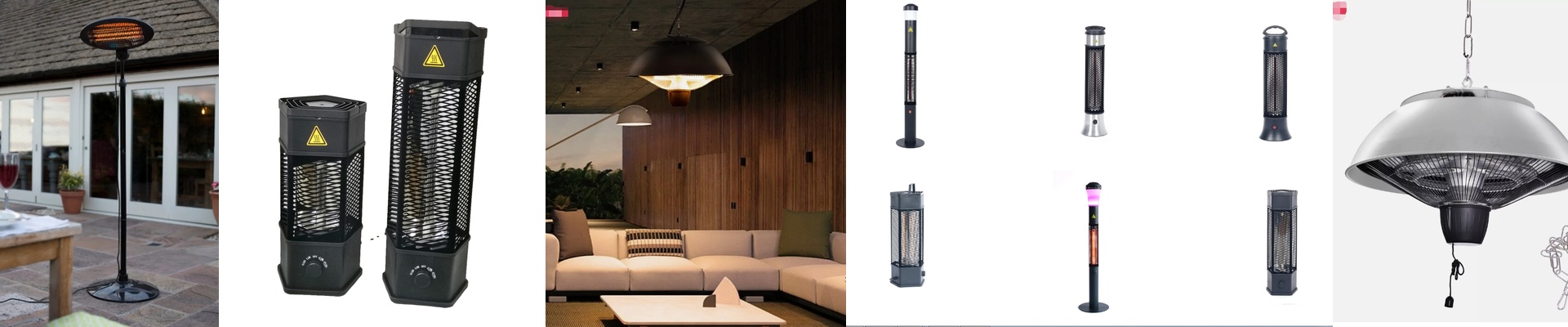
If you’ve ever tried to heat a room with massive ceilings, you know the struggle. You crank the heat, the warm air floats straight to the ceiling, and you’re still shivering on the floor. Infrared heaters fix this by ignoring the air entirely. They send warmth directly to your skin and the furniture around you. It feels more like standing in a patch of sunlight on a cold day. But the real magic happens when you stop flipping a manual switch and let a smart home system handle the heavy lifting.
Heat That Doesn’t Make You Wait
Traditional heaters are slow. They have to warm up the air, which then has to move around the room. Infrared is different. It’s almost instant. By adding a Zigbee or Matter controller, you can trigger that warmth from your phone or a sensor. You walk into a chilly workshop or a drafty living room, click a button, and you feel the heat immediately. It’s a total shift in how a room feels.
The Technical Bit (Don’t Skip This)
Here is where people usually mess up: you can’t just plug a high-wattage heater into a cheap smart switch. If you do, you’ll probably fry the switch in minutes. These heaters pull a lot of power. To do this safely, you use the smart switch to trigger acontactor. Think of the contactor as the “muscle” that handles the heavy electricity, while the smart switch is just the “brain” telling it when to flip. I also highly recommend pairing this with a PIR sensor. That way, the heater only kicks in when it actually sees someone in the room. There’s no point in paying to heat an empty hallway.
A Word of Caution
Since infrared is so fast, it can be a bit blunt. Most basic smart setups are either “full blast” or “off.” If you put a massive heater in a tiny space, you’ll go from freezing to sweating in about two minutes. You have to be smart about the wattage you choose for your specific room size. If you overdo it, you’re just wasting energy and making yourself uncomfortable. Keep it balanced, and it works like a charm.