
How to pick the right infrared wattage for your bathroom
Here is the biggest mistake we see: people put a tiny, low-wattage lamp in a big, tiled bathroom and wonder why they’re still shivering. They end up leaving the heater on forever, which just wears out the equipment and spikes the electric bill. It doesn’t work that way.
Getting the power right for your space
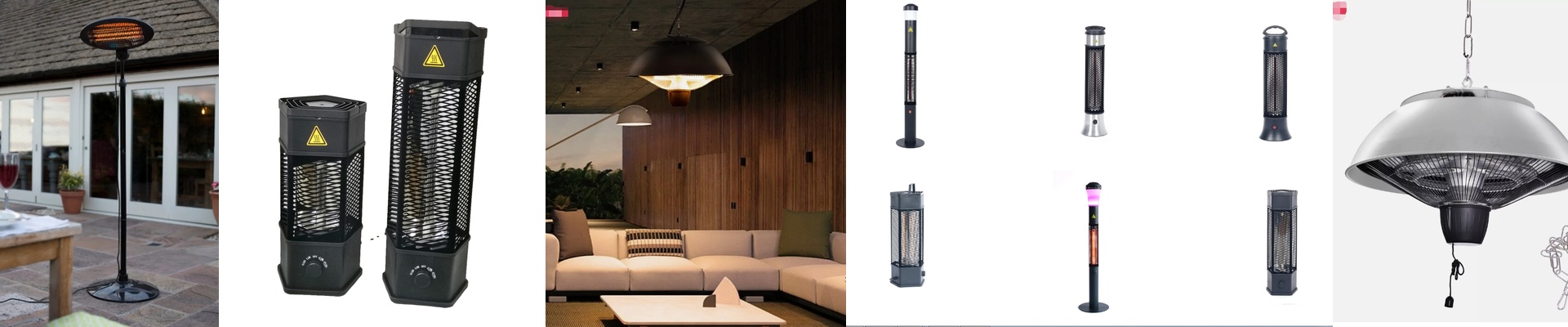
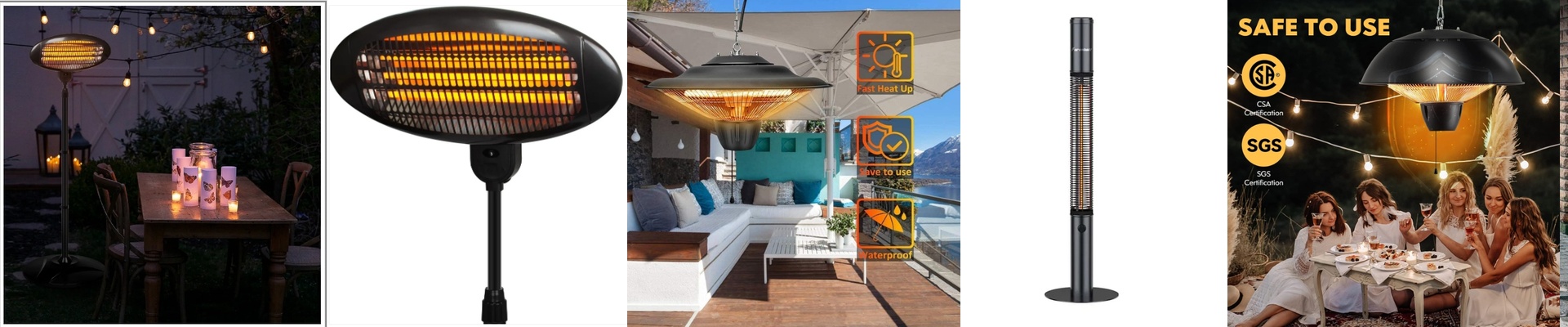
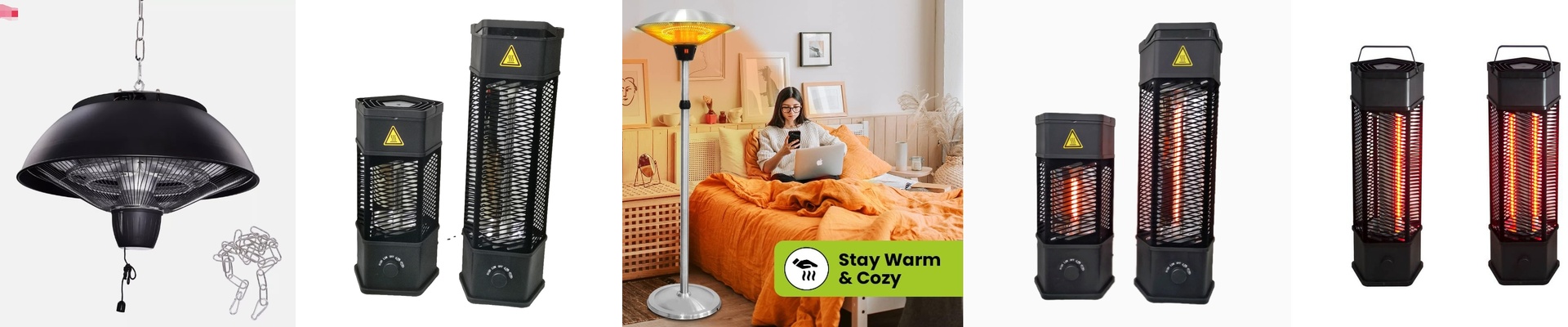
The thing about infrared is that it doesn’t actually heat the air. It heats you and the surfaces around you. If you’ve got a small powder room, a 400W to 600W shortwave lamp is usually plenty. You’ll feel that warmth the second you flick the switch. But if you’re dealing with a master bath—something in the 8m² to 12m² range—you’re going to need more muscle. Maybe a higher-wattage unit or a few lamps working together. Try putting a 400W lamp in a huge room with high ceilings and cold tiles. It’s just not enough. The cold surfaces soak up all that energy, and you’ll end up running the lamp way too long. That’s a quick way to burn out the filament.
The trade-off: Power vs. Comfort
More wattage means more heat, but it also means things get intense. A 1000W+ lamp hits you instantly. It feels great, but it can create a “hot spot” that feels a bit too aggressive on the skin. If you go this route, just mount the unit a bit further away. One quick warning: check your wiring. Going from 400W to 1200W is a big jump in current. If your circuit isn’t up for it, you’re looking at tripped breakers or, worse, overheating the housing. It’s worth a quick double-check before you install.
Making it efficient
Since shortwave infrared is “instant-on,” there’s no reason to leave it running. It’s a waste of money. Throw in a timer or a motion sensor. That way, it’s hot when you’re there and off when you’re not. Also, pay attention to where you mount it—avoid pointing it directly at a mirror, or the heat will just bounce right back. Get the wattage to match your room size, angle it right, and you’re set.