


Why Your Gazebo Heater Actually Dies (And How to Stop It)
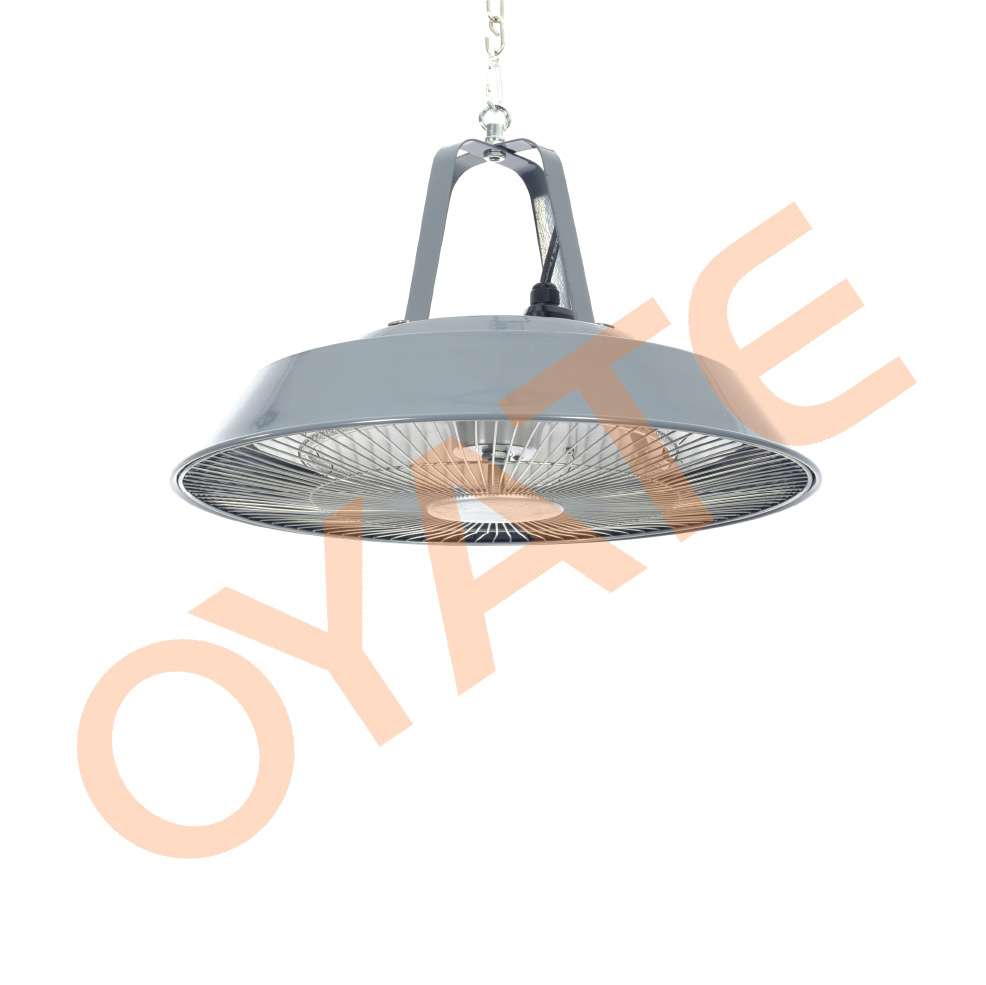
If you’ve ever used those 1500W Ceiling heaters for a gazebo, you know they’re great for an instant blast of heat. They use shortwave infrared technology, which is fancy talk for pushing a ton of power through a tiny space. But there’s a catch. All that heat concentrates right where the lead wires meet the quartz glass. If that seal isn’t perfect? Oxygen leaks in. Then things start to oxidize, and the whole thing goes downhill fast. The slow burn Here is the real problem: thermal aging. A lot of cheap heaters are thrown together with basic glues or loose crimps. Now, imagine that heater sitting outside in a gazebo, dealing with damp air one day and baking heat the next. Eventually, the plastic insulation on the wires just gives up. It doesn’t just “wear out”—it literally degrades from the heat. Once those cracks appear, the wires can touch or arc. That’s when you get a short circuit and a dead heater. The right way to seal it We do things a bit differently. Instead of hoping for the best, we use a high-temperature glass-to-metal seal. Think of it as a vacuum-tight lock. It keeps the halogen gas where it belongs and keeps the outside air out. Most off-the-shelf units skip this step. They use silicone gaskets that feel fine at first, but they usually melt after a few hundred hours of use. With a proper OEM-grade seal, the wire doesn’t budge. No shifting, no friction, and definitely no exposed copper. The trade-off Getting 1500W of heat is awesome, but it puts a massive strain on the wiring. You can’t just throw in a thicker wire and call it a day—the seal has to be strong enough to hold that heavier wire without cracking the quartz tube. It’s a balancing act. If you go with a heater that cuts corners on the sealing, you’re probably looking at a pile of junk by the end of the first season. Doing it right costs a bit more upfront, but it’s the only way to make the element last. For anyone buying these in bulk, it’s a simple choice: spend a little more now, or spend your whole next year dealing with a mountain of warranty claims.