
Why we put our bathroom lamps through hell before they hit your home
Bathrooms are honestly the worst place for electronics. You’ve got wild temperature swings one minute and thick, heavy steam the next. It’s a brutal combo. If a seal slips or the insulation gets tired, the lamp doesn’t just stop working—it becomes a safety risk. That’s why we don’t just “check” our IP44 infrared lamps. We put them through a damp-heat aging process that’s basically a torture test.
What “IP44” actually means for you
You’ll see “IP44” on the box. In plain English, it means the lamp can handle splashes from any direction and keeps small bits of debris out. But in a real bathroom, the real enemy isn’t a stray splash of water. It’s the steam. Steam is sneaky. It finds the tiniest gaps and creeps into the electrical terminals. We use heavy-duty gaskets and sealed cable entries to stop that. If a seal is off by even a fraction of a millimeter, moisture gets sucked right in, and that’s how you get a short circuit.
The “Aging” Chamber
We don’t just turn the lamp on for an hour and call it a day. We use chambers that mimic years of actual use in a matter of days. We crank the heat and humidity to the max, then we crash them. Over and over. This forces the materials to expand and shrink. We’re looking for “creep” in the plastics or any rust forming on the contacts. A lamp might look and work great on day one, but if the thermal cycling cracks that waterproof seal? It’ll fail by day ninety. We’d rather it fail in our lab than in your ceiling.
The balancing act
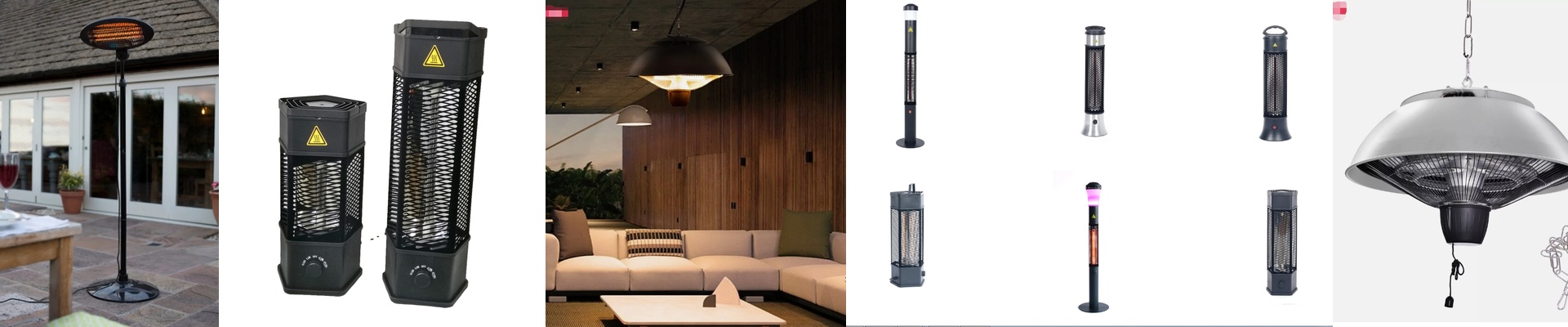
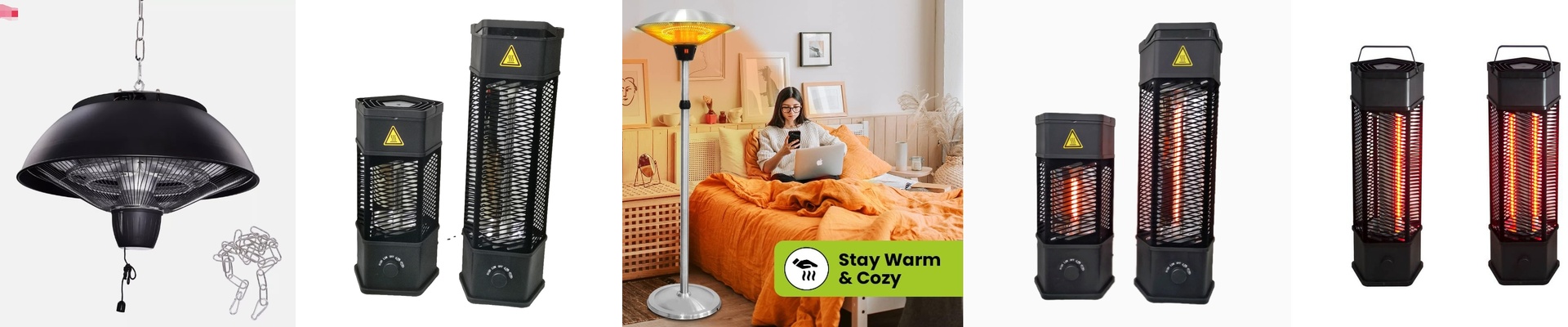
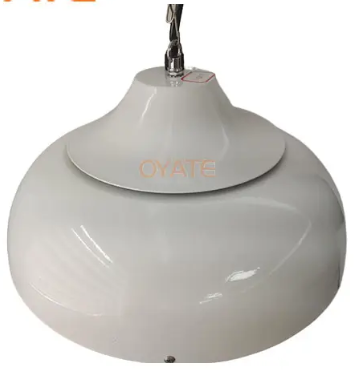
Here’s the tricky part: high-wattage infrared lamps get hot. Really hot. This creates a bit of a tug-of-war. You want a tight, airtight seal to keep the water out, but the unit still needs to breathe so the internal wiring doesn’t fry. To fix this, we use high-temp silicone seals. They stay flexible and don’t get brittle or crack, no matter how many times they heat up. You might notice the housing looks a bit bulkier than a lamp you’d put in a bedroom. That’s intentional. We need that extra space for a safe air gap, which keeps everything running cool and steady.