
Why We Built This
Let’s cut to the chase. We built this heat lamp for one simple reason: to stop kitchens from burning time and money on endless preheat cycles. It’s a shortwave infrared unit, made for one job—keeping heat right where you need it. Flip the switch, and the energy hits immediately. No waiting. No lag. Just instant, focused heat.
How It Gets the Job Done
Here’s the heart of it: a shortwave infrared halogen lamp, packed into a small footprint. It’s built for speed. While other elements take their sweet time warming up, this one responds in a heartbeat. We’re talking serious power—typically 400V at 2500W. That kind of punch heats a specific spot fast. But, and this is important, your oven’s wiring and controls need to be ready for that full load. The lamp itself is compact, around 300mm long, so it slips into tight spots without forcing you to redesign the whole oven.
The Build That Matters
We went with a quartz tube because it can handle rapid heating and cooling without cracking. Inside, the halogen filament runs hot and fast, sending shortwave energy straight at the target. Less wasted heat floating around the room. The tube is coated to keep the heat directed where it should go, instead of bleeding off in every direction. And the connector? R7s. It’s a standard, tough line-contact fit that handles high current. Installation is straightforward: line up the pins, seat the lamp, and you’re set.
What It Feels Like in a Busy Kitchen
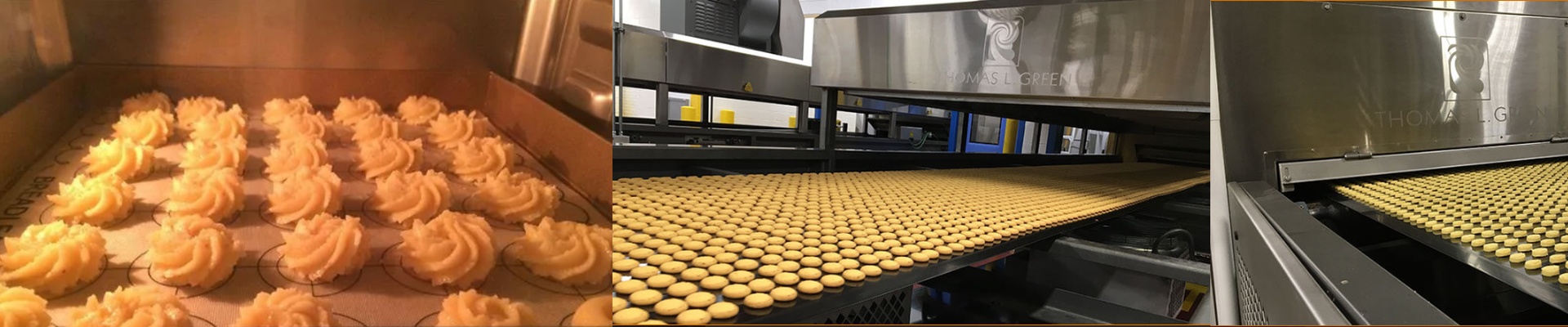
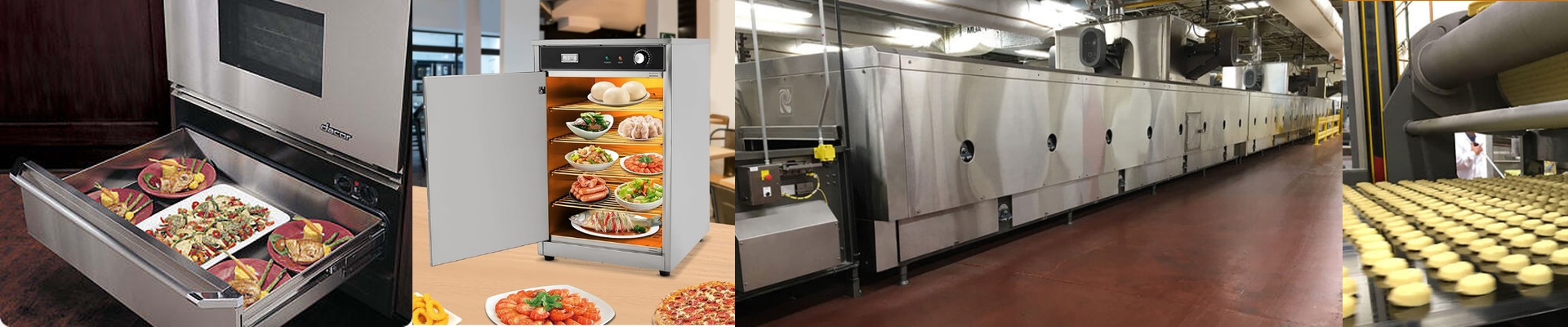
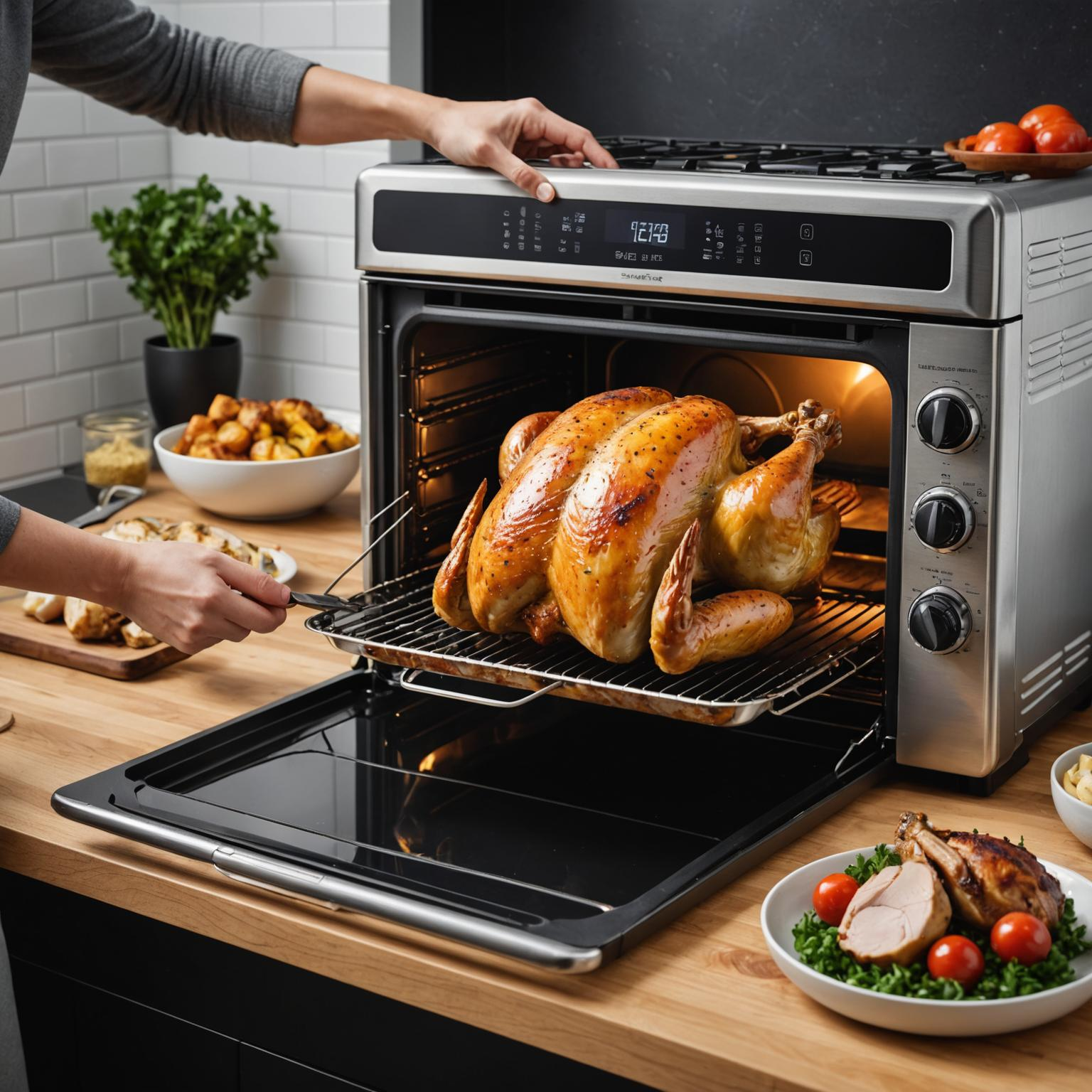
In a deck oven, this lamp keeps food at holding temperature without slowing the service down. The response is almost instant. Open the door, change batches—you can adjust on the fly. Energy use drops because the lamp only heats what’s needed, when it’s needed, then shuts off cleanly without lingering warmth. Now, there’s a trade-off. With 2500W packed into a 300mm tube, your oven’s ventilation and insulation have to be up to the task. If the airflow and cooling are too small, heat will build up around the unit. For anyone spec’ing equipment, this lamp is a direct answer to the preheat problem. Just make sure the rest of the system can handle the heat density.