
Dealing with Heat Spots in PET Blow Molding
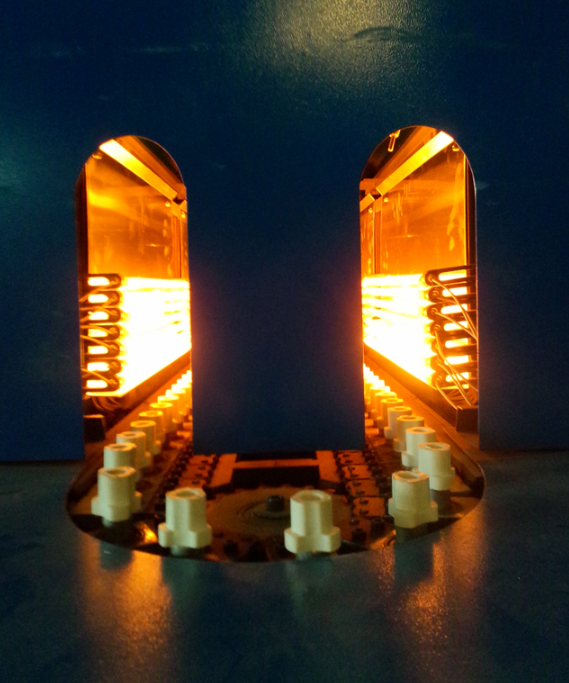
If you’re running KHS or Sidel Combi SF300s, you know the headache of uneven heating. You see those “cold spots” on your preforms, and suddenly your wall thickness is all over the place or your bottles are warping. It’s frustrating. Usually, it comes down to two things: the light coming off your lamps and exactly where those lamps are sitting.
The nitty-gritty of heat
We make our lamps to be simple drop-in replacements. They fit the OEM footprint exactly, so you aren’t fighting with the installation. But here’s the catch: with the SF300, you have to be spot-on with wattage and voltage. If you go off-script, you risk overloading the power supply. Now, if you want to hit your target temperature faster, you need high heat density. The problem is that puts a lot of stress on the quartz. That’s why we use high-purity quartz—it keeps the lamps from burning out the moment you push them.
The parts that actually matter
Most of these tubes use R7s or SK15 connectors. They’re the industry standard for a reason—they can handle the lamp expanding and contracting as it heats up without losing the electrical connection. We also use a specific halogen cycle to keep the tungsten filament centered. Why? Because if that filament sags, your heat field shifts. One inch of sag can be the difference between a perfect bottle and a scrap pile. Some of our versions have a special coating that bounces infrared energy back toward the preform. It keeps the heat where it belongs and stops it from soaking into the machine frame.
Real talk from the shop floor
Look, swapping lamps isn’t a magic fix. If your reflectors are pitted, scratched, or just plain dirty, the best lamp in the world won’t save your distribution. You’ve got to clean your gear first. And a word of warning: if you crank up the wattage to shave a few seconds off your cycle time, your oven’s cooling fans are going to feel it. If your cooling system can’t keep up, you’ll be tripping thermal sensors all day. The best way to do it? Wire them up, dial in your PID controllers, and actually use a pyrometer to check the surface temp. Don’t guess. Verify the field and you’re good to go.