Stop Waiting on Your Ovens: Speeding Up Tableware Drying with IR
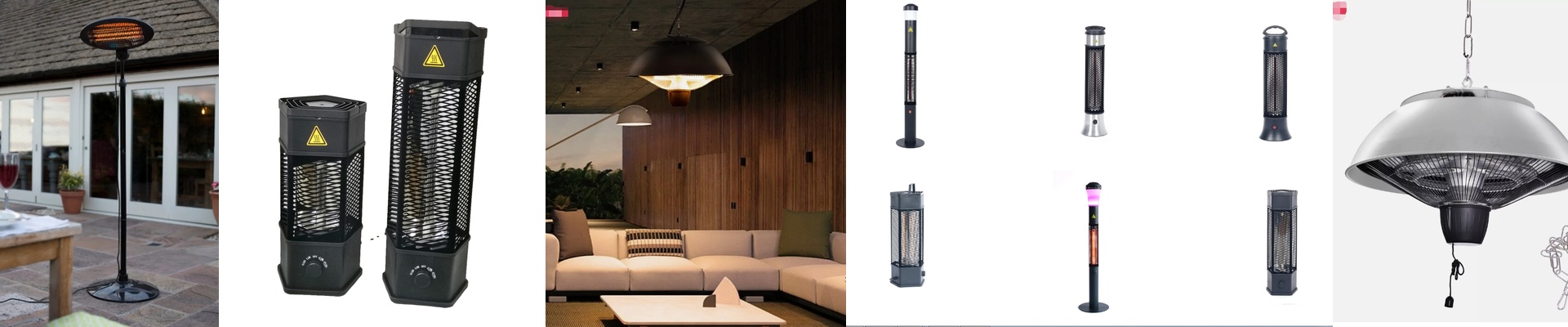
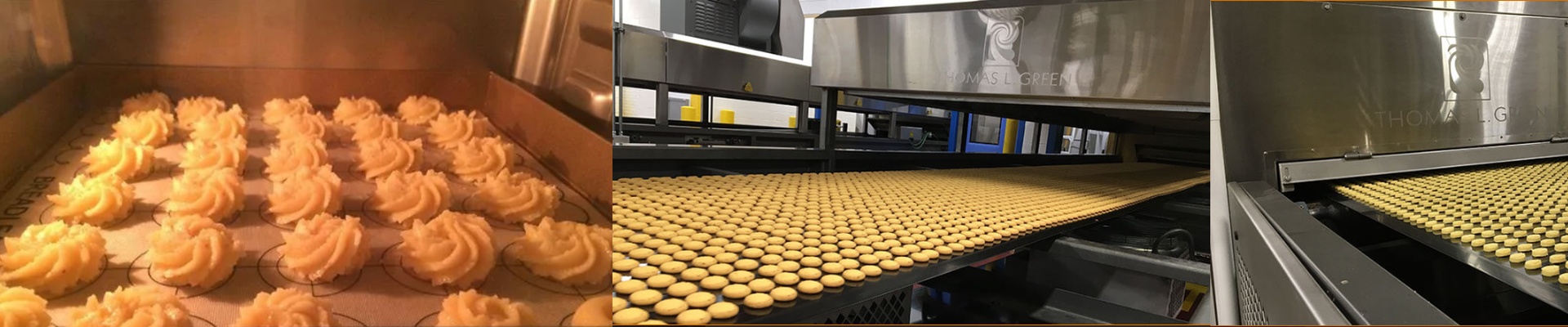
Ever feel like your convection ovens are just… lagging? You’re ready to push more product through, but you’re stuck waiting for the air to heat up. It’s a bottleneck that kills your momentum. When that happens, we bring in infrared (IR) lamps. Think of it like the difference between waiting for a room to warm up and just stepping into the sunlight. Instead of heating all that empty air, these lamps beam heat directly onto the tableware. It’s fast. Really fast. And it means you can stop staring at the timer and start moving more units. How it actually works We use shortwave IR lamps because they don’t just sit on the surface—they penetrate the ceramics or plastics. By focusing that energy right where it needs to be, you can basically skip the long pre-heating phase. Your production beat tightens up, and your hourly numbers look a lot better. The gear you’ll need We usually build these with high-purity quartz glass and a halogen gas fill. Why? Because quartz can handle the heat without warping, and the halogen keeps the filament from burning out too quickly. We also use standard R7s or SK15 connectors, so if a lamp goes, you can swap it out in seconds without a headache. Now, a quick word on power. Depending on your grid, we can spec these for 220V or 380V. High-wattage tubes get the job done faster, but they’re thirsty. Just make sure your cables and contactors can handle the peak current, or you’re looking at a burnout. A few things to watch out for Look, IR lamps aren’t a magic wand. They’re powerful—sometimes too powerful. Because the heat is so intense and localized, you can end up with “hot spots” if your tableware isn’t moving at a steady clip. If your conveyor belt stutters or lags, you risk warping thin plastic or causing ceramics to crack from thermal shock. The secret is pairing the lamps with a precise timing system on your belt. Balance that IR punch with your existing airflow, and you’ll get a perfectly even dry every single time.