

Factory Ceiling Radiant Heaters: Keeping the Power On, Even When It’s Damp
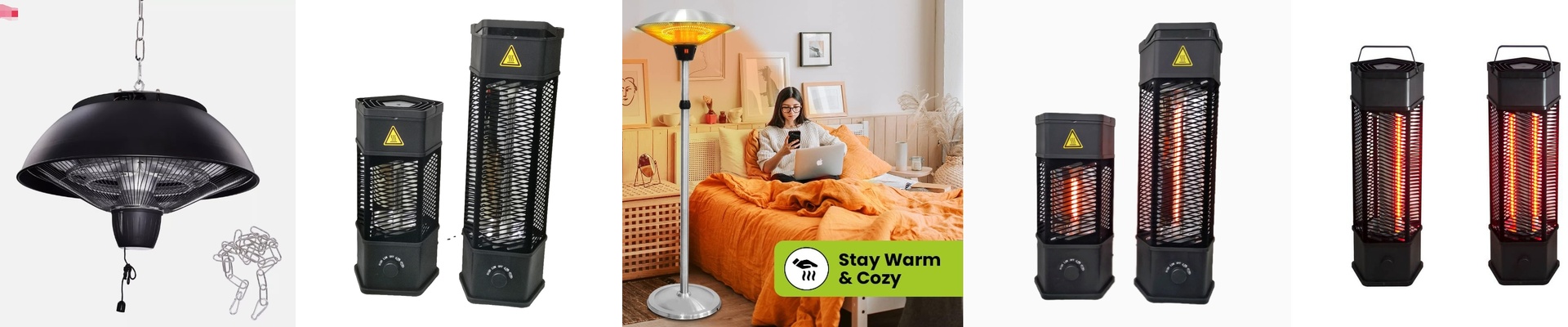
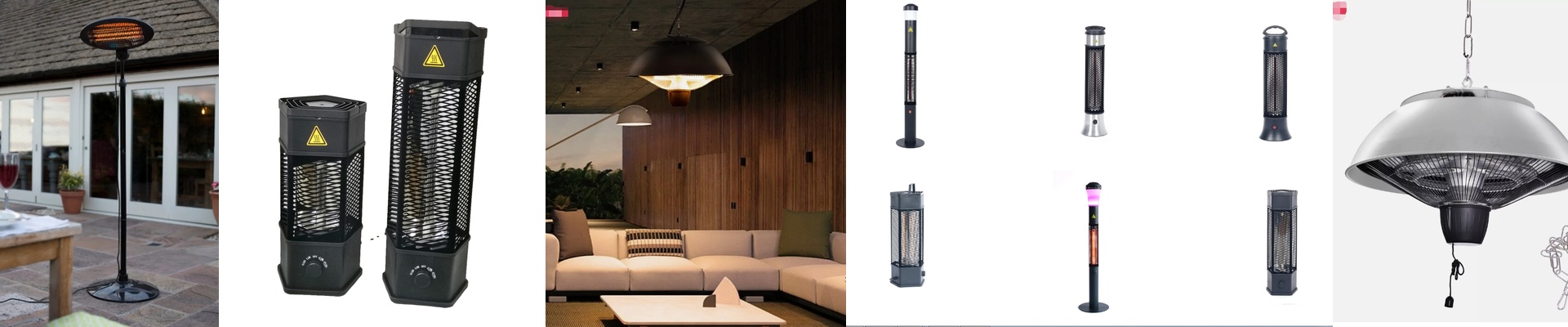
You know that feeling when you need heat right where the work is, not just warming the air? That’s what these ceiling radiant heaters are all about. They send infrared heat straight down to the target, skipping the air altogether. But here’s the real challenge—especially in places that are constantly damp. Think plant bathrooms, washdown zones, or production areas that get soaked. How do you keep the electricity 100% isolated and safe? That’s what we focus on.
Power That Packs a Punch—Without the Bulk
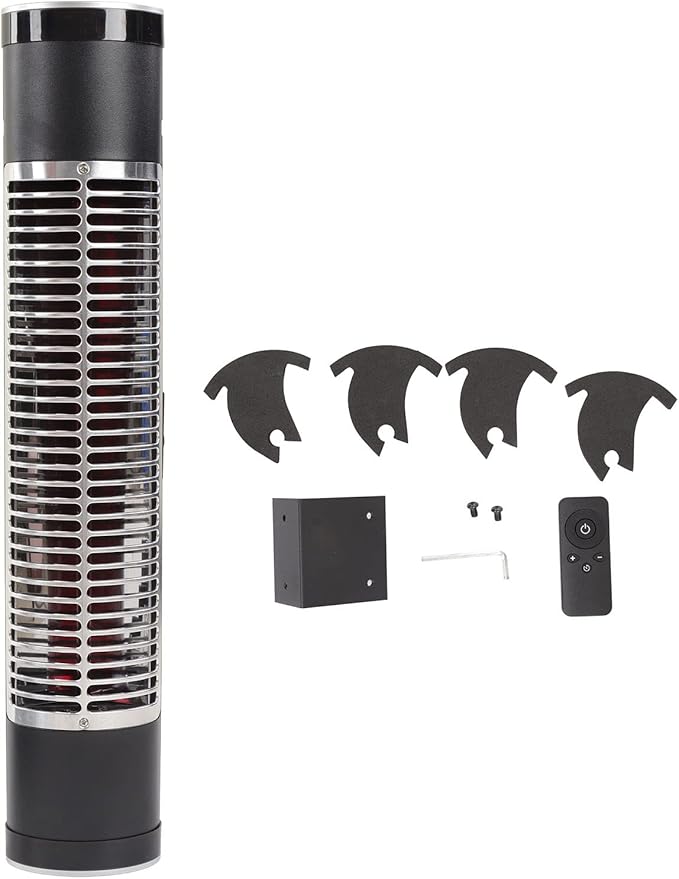
We build these heaters to run on high voltage, often 400V, so they can deliver serious wattage in a tight package. A 300mm tube, for example, can crank out 2500W. That’s a lot of heat, concentrated in a small space. And that’s the beauty of it. You can hang the heater close to where you need it, and it heats things up fast. But with that kind of power comes heat—so you’ve got to plan for it. The mounting area and nearby electrical parts need room to breathe and stay cool. On the plus side, hooking it up is straightforward. You wire it to match your plant’s voltage, and the connectors are built to handle the load without getting hot under the collar.
The Heart of the Heater: Quartz, Halogen, and the Right Connections
Inside, you’ve got a quartz tube with a halogen fill. Quartz can take the heat—and the cold—over and over without cracking. The halogen helps keep the filament stable, so the heater stays consistent over time. The tube is coated to manage the infrared output and keep moisture out. And when it comes to connecting the power, we use R7s or Sk15 connectors. They lock in tight, carry high current safely, and help prevent arcing or loose connections—both of which get ugly fast in humid air. Everything is sealed at the ends, and there’s a solid barrier between the live parts and the housing. That way, nothing leaks through.
Staying Safe When the Air Is Wet
In damp environments, condensation and mist find their way into every crack and joint. But our design keeps the live components tucked away behind sealed barriers. Moisture simply can’t create a path to ground. That means the heater stays electrically sound, even when the humidity is through the roof. Fewer shutdowns. Fewer inspections. Just a unit that works, day after day, in the kind of conditions that make other equipment sweat.
Keeping It Real: Power Needs Smart Planning
High-wattage infrared heat is powerful—no doubt about it. But it needs a system that’s just as tough. Make sure you give the heater enough clearance. Add in thermal protection and proper ventilation. And when you’re wiring things up, double-check that the cables, conduit, and controls are rated for the environment. Do that, and you get the heat you need—without ever compromising on safety or reliability.