


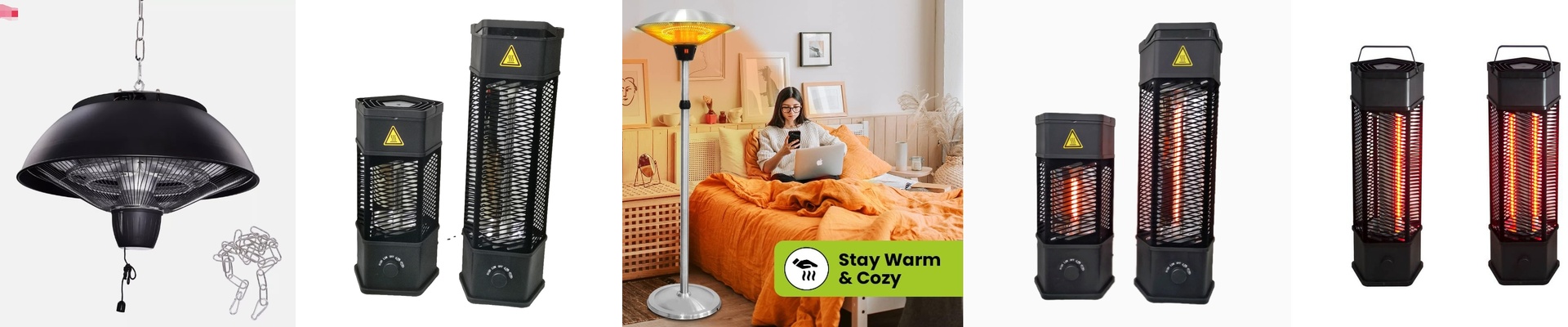
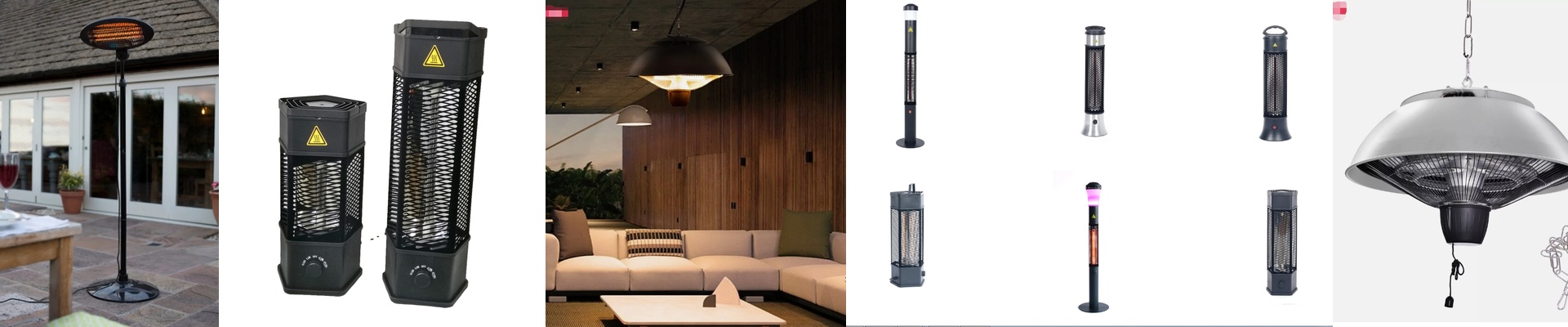
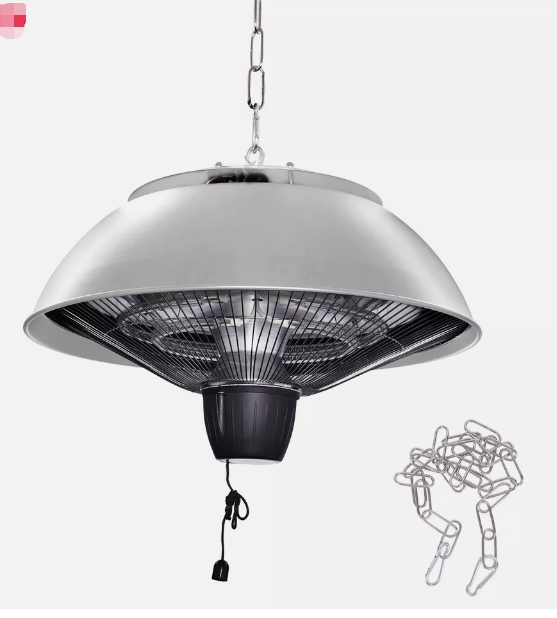
Semi-open commercial corridors are wind tunnels by nature. Traditional heaters end up running full tilt, even when foot traffic thins out. You know what that looks like: wasted energy, higher bills, and uneven warmth that leaves patrons and staff grabbing for extra layers. We built this electric infrared space heater to cut through that problem—using smart sensing to deliver comfort only when and where it’s actually needed.
What’s actually going on under the hood
This unit leans on infrared radiant heat, so it warms people and surfaces directly instead of trying to heat the air. You feel the warmth almost immediately, and it doesn’t get erased the moment a draft finds its way through. Pair that with an integrated smart motion sensor, and the behavior is straightforward: full output when activity is detected, then it drops to a low standby when the corridor goes quiet. That directly cuts unnecessary energy draw. It runs off a standard electric supply, and the footprint is compact—so it fits tight walkways and lower ceilings without getting in the way. On the safety side, you get tip-over protection and an overheat cutoff, and the sealed design holds up in covered outdoor areas.
Why this makes sense in a semi-open corridor
The challenge here is keeping people comfortable without paying to heat empty space. With smart sensing, you stop running the heater flat out when no one is around. Patrons feel warmth the second they step in, and staff aren’t stuck chasing thermostat settings. Energy use tracks occupancy, which supports more responsible operation—without giving up the cozy factor that keeps people sticking around.
Practical details that matter
For the sensor to do its job, it needs a clear field of view along the main traffic path. Mounting height and angle aren’t optional details—they’re part of getting it right. This heater delivers targeted infrared warmth, and that shines at close range. It’s ideal for walkways and seating zones, but it isn’t the right tool for wide-open, wind-exposed spaces. Plan for a dedicated circuit and follow local outdoor electrical requirements. The result is comfort that’s smart, practical, and easy to live with.