
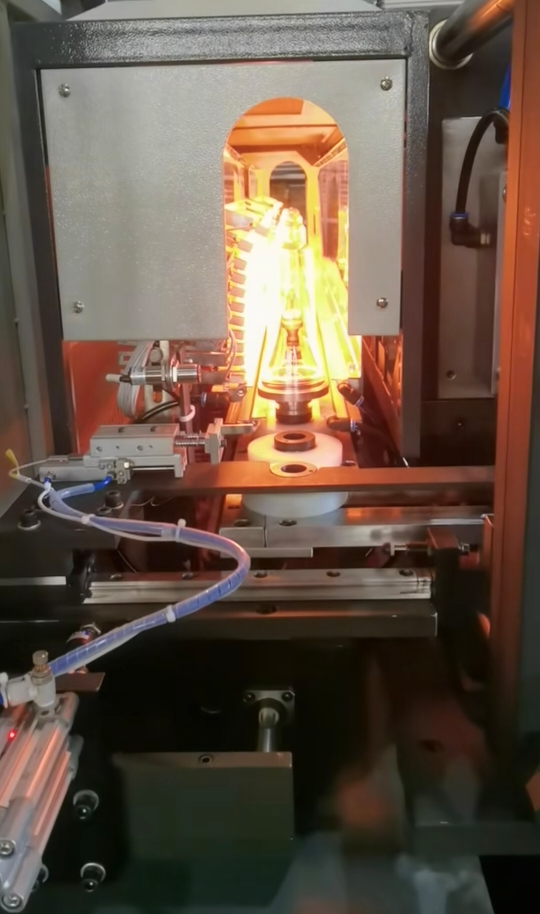
On the line, that older SIPA SFL 4/4 linear blower heater starts to wander. Preform temperatures drift, and you end up chasing lamp output, tweaking the heating tunnel—yet you still see thin spots and that amber haze. Downtime adds up, and maintenance keeps throwing time and parts at the same weak spot.
What actually matters under the hood
The SIPA SFL 4/4 linear blower heater runs on short-wave infrared halogen emitters. They’re the reason you can hit set temperature fast and keep it steady cycle after cycle. We stick with the OEM lamp geometry and the R7s connector, so the emitters drop in without rewiring or fabricating new brackets. Power and voltage are chosen to match the SFL 4/4 control profile, which keeps the heating curve consistent—first bottle to last. The reflector layout concentrates the energy where the preform needs it, so you waste less heat and avoid cooking the blow molder’s sensitive bits.
Why this approach holds up on an SFL 4/4
With a direct-fit heater like this, preform heating settles quickly after a changeover. You spend less time tuning and more time running. The faster thermal response tightens the heating window, which supports higher stroke rates without scorching the neck or leaving the body cold. Energy use drops because the emitters deliver heat on demand, not on a blanket setting. And you’ll see fewer lamp changes over the year—meaning less spare inventory and fewer technician hours.
The shop-floor details you can’t skip
Plug-and-play only works if the sockets, wiring, and airflow match the SFL 4/4 spec. If the blower airflow is weak or the tunnel is dirty, the infrared output can look fine on paper, but preform heating will still drift. Keep the reflectors clean and confirm voltage at the connector—mismatched voltage will murder lamp life. Schedule the replacement on a planned stop so you can verify the heating curve and make one clean pass of adjustments before you ramp back into full production.