
Getting Your Sterilization Cabinets Up to Temp—Fast
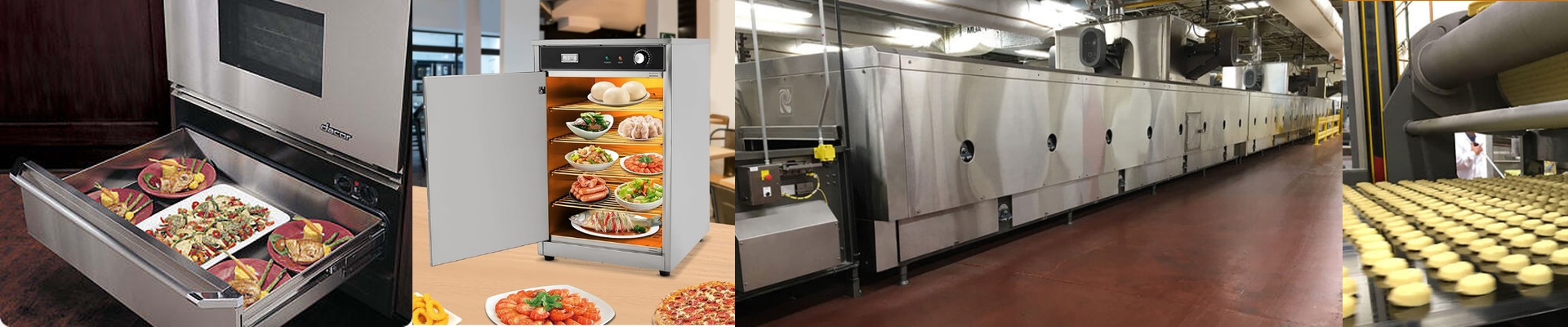
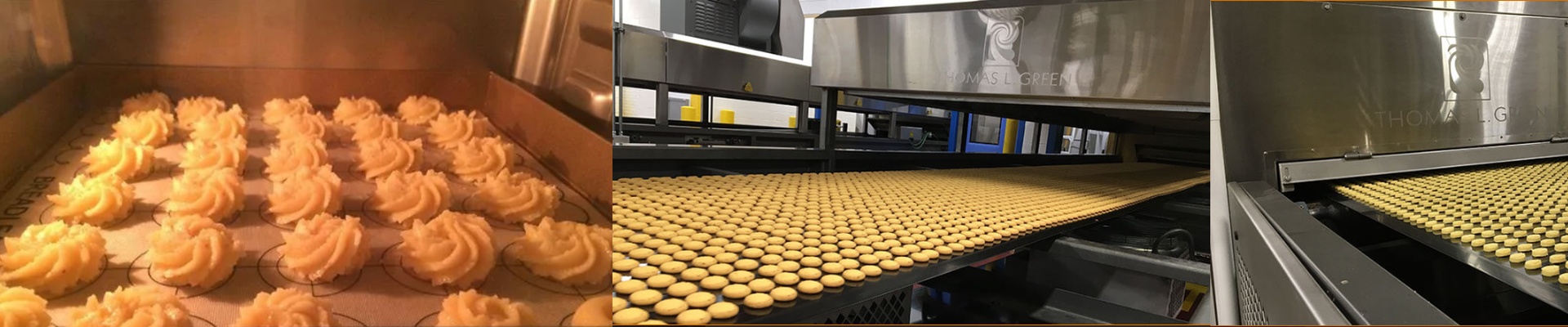
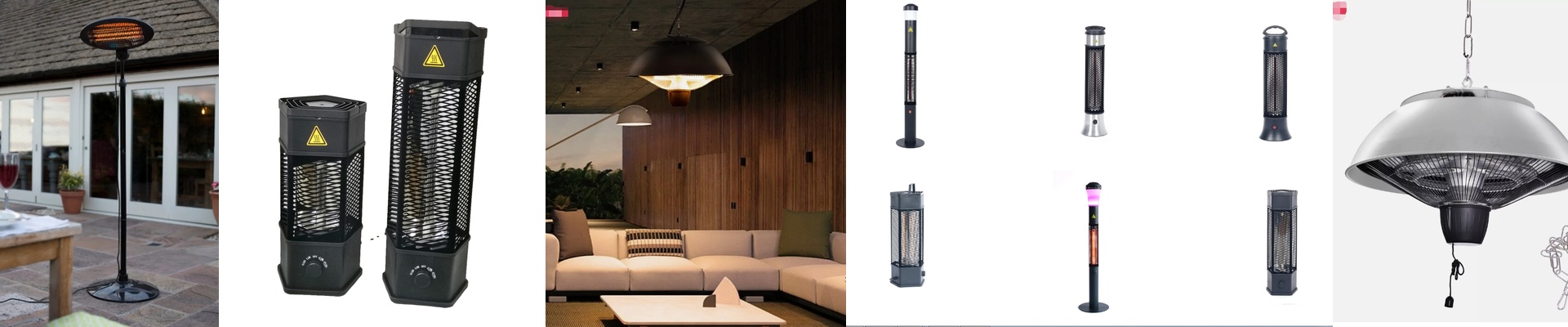
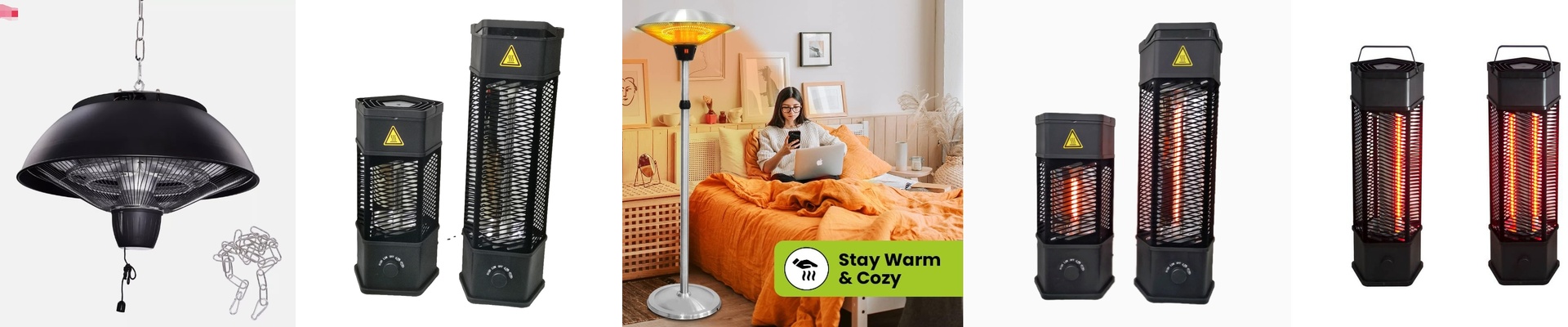
When you’re dealing with sterilization cabinets or rotary ovens, you can’t afford to sit around waiting for things to warm up. You need that heat now. We’re talking seconds, not minutes. To make that happen, we use short-wave infrared (SWIR) elements. These aren’t your typical, slow-and-steady heaters. We use a tungsten filament wrapped in high-purity quartz that basically blasts energy straight into the surface you’re trying to clean. Why it’s so fast It all comes down to thermal mass. We keep the quartz shell thin and the filament lean so there’s nothing slowing the heat down. The moment the relay clicks, you get this instant “flash” of heat. It hits the sterilization peak immediately. The best part? You kill the bacteria without turning the entire oven chassis into a giant radiator. It’s efficient. The gritty details (and where things go wrong) We stick with quartz glass because it lets the infrared radiation through without wasting energy. But here’s the thing: the seal where the wires enter the tube is usually where the trouble starts. If you’re putting these in a rotary oven that shakes or vibrates, be careful with your mounting brackets. If they put too much pressure on the glass, the tube will just snap. Simple as that. Also, keep in mind that this kind of heat density is intense. The elements run hot. Really hot. Make sure your wiring and connectors can actually handle the current, or you’ll end up melting your insulation. Getting it all to fit We’ve designed these to slide right into most standard industrial setups. The trick is getting the wattage-to-length ratio just right so the heat spreads evenly as the oven rotates. If you’re noticing cold spots, you’ve probably got a spacing issue or the wattage doesn’t match your cabinet volume. Pair them with a PID controller to keep your cycling tight. That way, you stay right in that sterilization window without accidentally scorching your load.