
Stop Dealing with Pale Edges: A Better Way to Heat Industrial Toasters
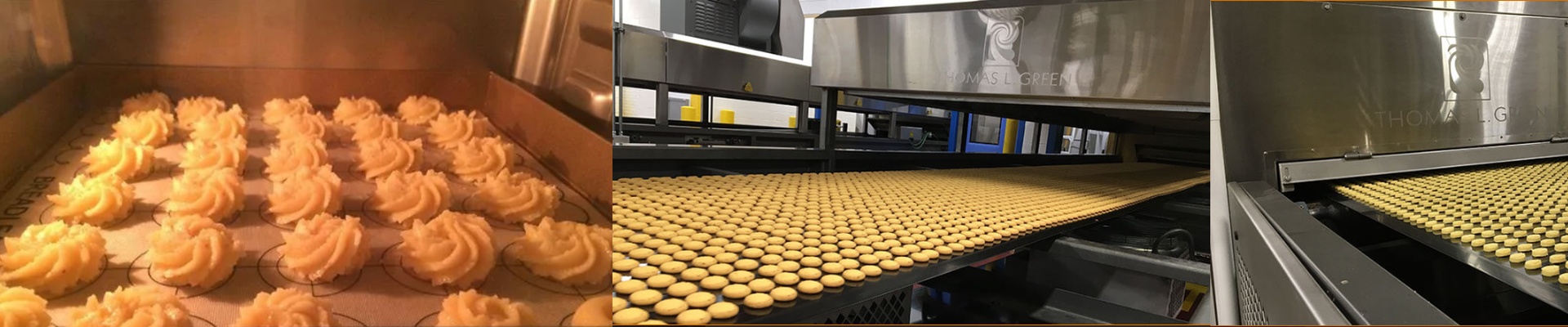
If you’ve ever run a large-scale commercial oven, you know the frustration. Your bread comes out looking great in the middle, but the edges? They’re pale. It’s annoying, it looks unprofessional, and it happens because heat just leaks out of the sides of the oven chamber before it can do its job. We fixed this by switching to short-wave infrared (IR) tubes. They don’t mess around—they just hit the bread with heat, fast.
Why the edges stay cold
Most heating tubes rely on convection. Basically, they heat the air, and the air moves the heat. The problem is that air drifts. By the time it reaches the edges of your oven, there isn’t enough left to brown the crust. Our IR tubes work differently. They send out radiation that strikes the surface of the bread directly. We actually crank up the wattage density at the ends of the tube to make up for the heat escaping through the oven walls. The result? A perfectly gold crust from the center all the way to the perimeter. No more “half-baked” looks.
What’s under the hood
We use high-purity quartz glass for the housing. Why? Because it doesn’t crack when you slam the temperature up and down all day. Inside, there’s a tungsten filament wrapped in a halogen-filled envelope. This is the secret sauce. It keeps the filament from burning out even when you’re pushing it hard through rapid heating cycles. The best part is that you don’t need a total overhaul. These use standard R7s or Sk15 connectors. You just pop them into your existing big-brand industrial toaster and you’re good to go.
A couple of things to watch out for
Now, keep in mind: these tubes put out a massive amount of heat. Because they’re so powerful, your timing has to be spot on. If your sensors are off by even a few seconds, you’re going to end up with burnt toast. Also, double-check your wiring. Make sure it’s rated for the wattage so you don’t melt your terminals. When you’re picking out your gear, stop looking at total wattage. It’s a vanity metric. Look at the radiant intensity—the heat output per millimeter. That’s the only way to actually kill the “pale edge” problem for good.