
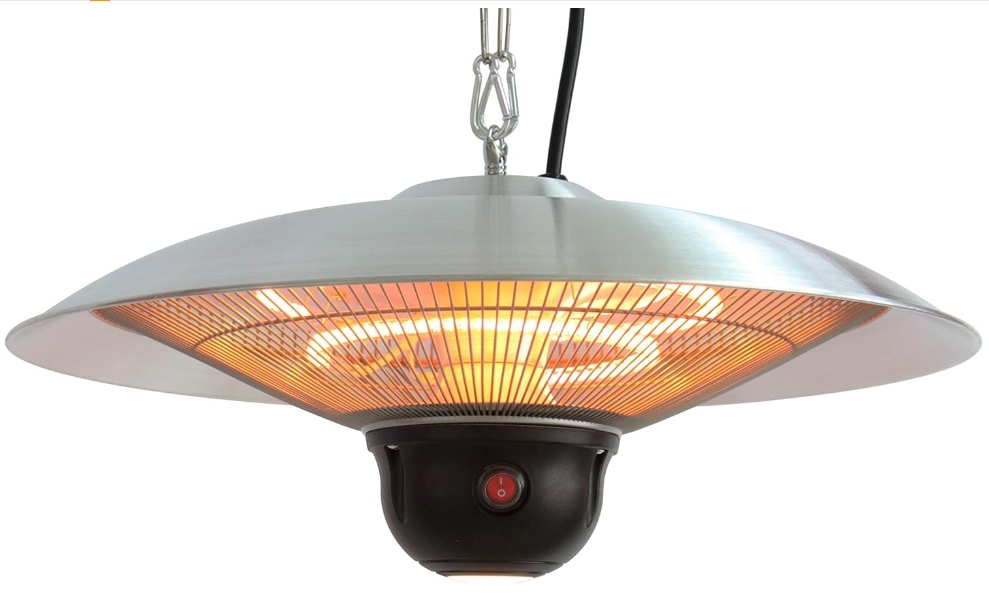
Getting Your Bathroom Heat Just Right: A Guide to Infrared Wattage
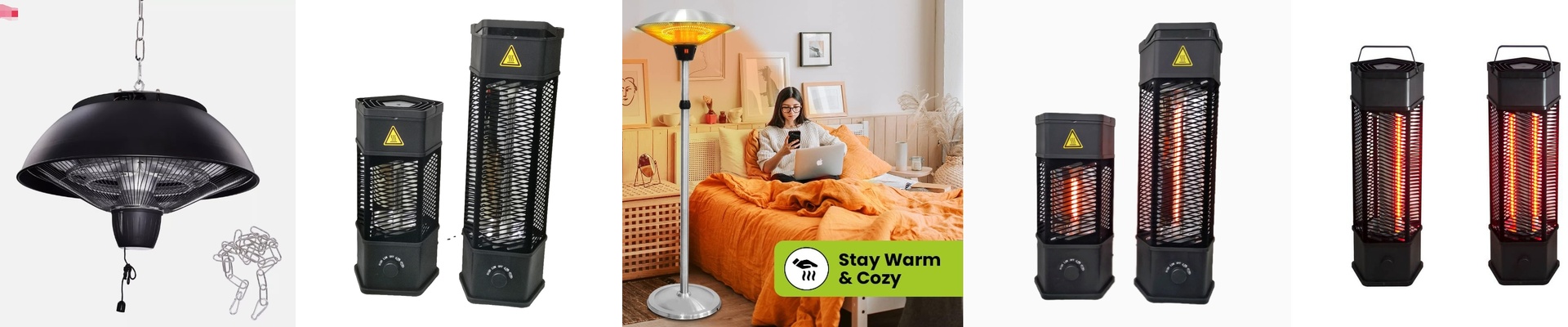
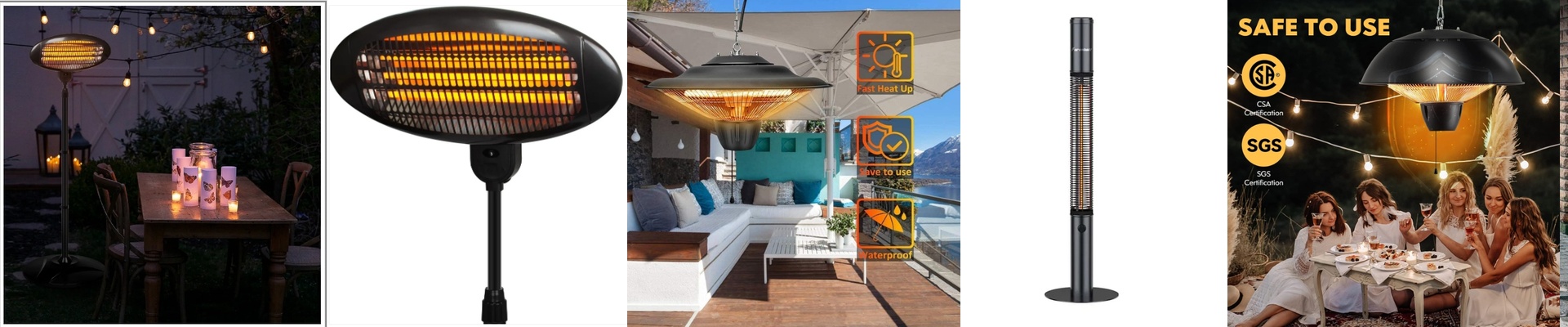
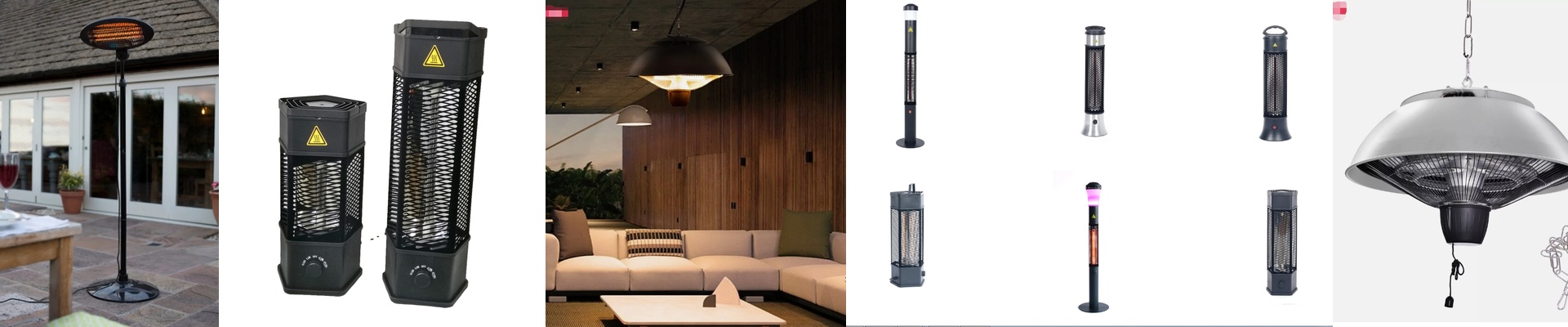
Let’s be honest: there is nothing worse than stepping out of a hot shower into a bathroom that feels like a walk-in freezer. It ruins the whole mood. If you’re looking at infrared heaters to fix this, you’ve probably seen the “IPX4” rating. All that really means is the unit is splash-proof. Since bathrooms are, well, wet, this is non-negotiable. You don’t want your heater shorting out just because someone took a steamy shower. But how much power do you actually need? Here is the thing—you can’t just grab the biggest heater on the shelf and call it a day. If you put a massive heater in a tiny powder room, you’re going to turn it into a sauna in about thirty seconds. It’s a waste of money and energy. For those tiny half-baths (under 4m²), something in the 400W to 600W range usually does the trick. If you have a standard family bathroom (5-8m²), you’ll probably want to aim for 800W to 1200W. Now, if you’ve got a huge master bath (10m² or more), you’ve got two choices: go for a heavy hitter around 1500W, or—my personal preference—install a few smaller units in different zones. That way, you don’t end up with one scorching hot corner and a freezing cold toilet. A quick tip on placement. Infrared is different from a standard space heater. It doesn’t warm the air; it warms you. If the heater is mounted low and close to where you stand, you can get away with lower wattage. But if you’re mounting it high on the ceiling, you’ll need more power to push that heat down to the floor. The danger of going too big It’s tempting to just “over-spec” everything, but be careful. Pushing 2000W through old wiring is a great way to trip your breakers right in the middle of a bath. Before you wire anything in, just double-check your wire gauge. It takes two minutes and saves you a massive headache later. How to actually save money If you want to keep the electric bill down, put the heater exactly where you’ll feel it most—usually right by the shower or the vanity. Plus, if you add a dimmer or a timer, you don’t have to run the thing at full blast all morning. You can just give it a quick burst of warmth right when you need it. Poor placement usually leads to people cranking the heat to max just to feel something, which just burns out the lamp faster. Keep it simple, put it in the right spot, and you’ll never dread the “post-shower chill” again.