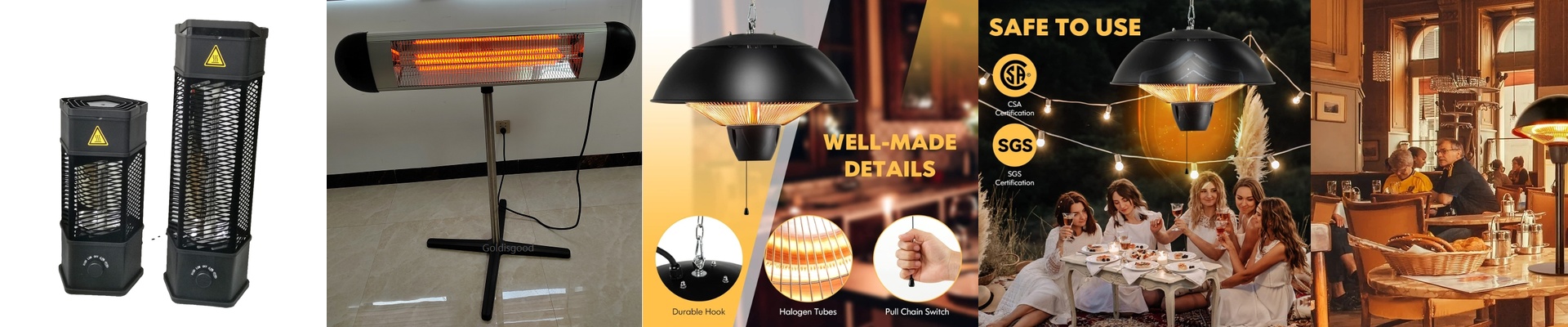
Why we put our bathroom heaters through a “torture test”
Let’s be honest: bathrooms are a nightmare for electronics. You’ve got thick steam, random water splashes, and temperatures that swing from freezing to boiling in minutes. Now, you’ll see “IP65” written on the box. That’s the industry standard for keeping dust and water out. But here’s the catch: a seal that works perfectly on day one isn’t always the same seal you’ll have six months later. That’s why we put every batch of our infrared lamps through damp-heat aging tests. Basically, we try to break them so you don’t have to.
The “Breathing” Problem
Here is how it actually works. When the infrared element kicks in, it gets hot—really hot. The housing and the gaskets expand. Then, when you turn it off, they shrink back down. It’s almost like the heater is breathing. Over time, that constant expanding and contracting can pull tiny amounts of moisture past the seals. If that happens, water hits the internal wiring. Then you get a short circuit, or the unit just burns out way too soon. We use a climate chamber to simulate years of this cycle in a fraction of the time. If a seal fails there, it’s not going in your house.
More than just a power switch
We don’t just flip the switch to see if it glows. That’s too easy. While the units are soaking in high-humidity heat, we’re checking the insulation and looking for any signs of rust or oxidation on the contact points. We check the glue to make sure it isn’t peeling. If the unit can’t hold its waterproof integrity under pressure, it means we need to fix the design or find better materials.
Finding the sweet spot
You might think, “Why not just make the seals airtight?” Well, there’s a trade-off. If we make the seal too tight without giving the air a way to move, the internal pressure builds up as it heats. The housing could actually warp or crack under its own heat. It’s a balancing act. We tweak the tension and the materials until we find that sweet spot—where the unit stays bone-dry inside but doesn’t warp from the heat. At the end of the day, it’s about peace of mind. You just want a warm bathroom without worrying if your heater is becoming a safety hazard.