




How to Actually Heat Up a Damp Space
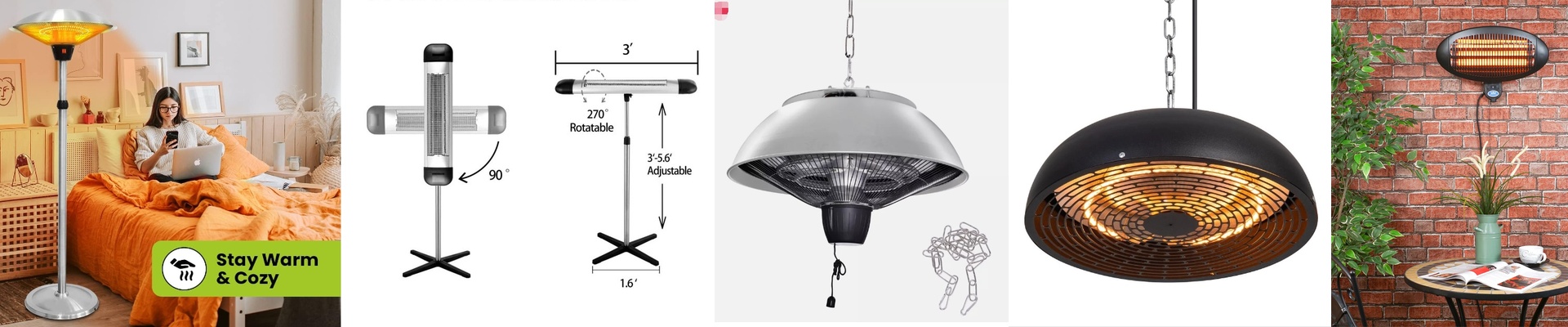
Imagine stepping inside from a freezing winter day into a changing room. If you’re shivering, you don’t want to wait ten minutes for the air to warm up. You want to feel the heat right now. That’s why we use short-wave infrared. Most heaters just try to warm the air, but that takes forever. Infrared is different. It beams energy directly onto your skin and clothes. No waiting around. No lag. Just instant warmth. Dealing with the damp When you’re dealing with patio transitions or locker rooms, moisture is your biggest headache. Water and electricity don’t mix, obviously. To stop things from shorting out or corroding, we use units with an IP55 rating. In plain English? It means the housing is sealed tight against dust and can handle water splashes from any angle. It keeps the breakers from tripping and ensures the heater actually works when it’s humid. The “Wall of Warmth” These heaters use quartz tubes to push out intense heat. Since it travels at the speed of light, you feel it the second you step into the beam. It creates that “luxury” feeling—like walking into a wall of warmth. But you have to get the mounting height right. Infrared is line-of-sight. If something is blocking the beam, the heat stops. If you hang them too high, the intensity fades. Too low? You might actually melt or scorch whatever is sitting directly underneath. A few things to watch for during install Wiring these into a commercial grid isn’t a “plug and play” situation. High-wattage arrays pull a lot of power. You’ll want to make sure your cabling can handle a continuous current, otherwise, you’ll deal with voltage drops. And one last thing: these things get hot. Really hot. Even though the shell handles the moisture, the heat output is intense. Give the housing some breathing room. If you mount it flush against plastic panels or anything flammable, you’re going to warp your fixtures.