Keeping Birds Warm When Things Get Messy
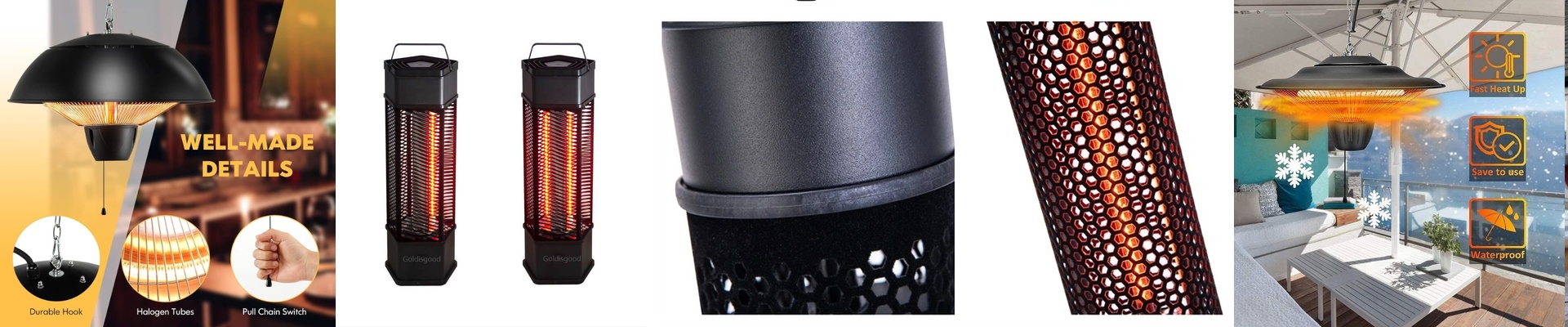
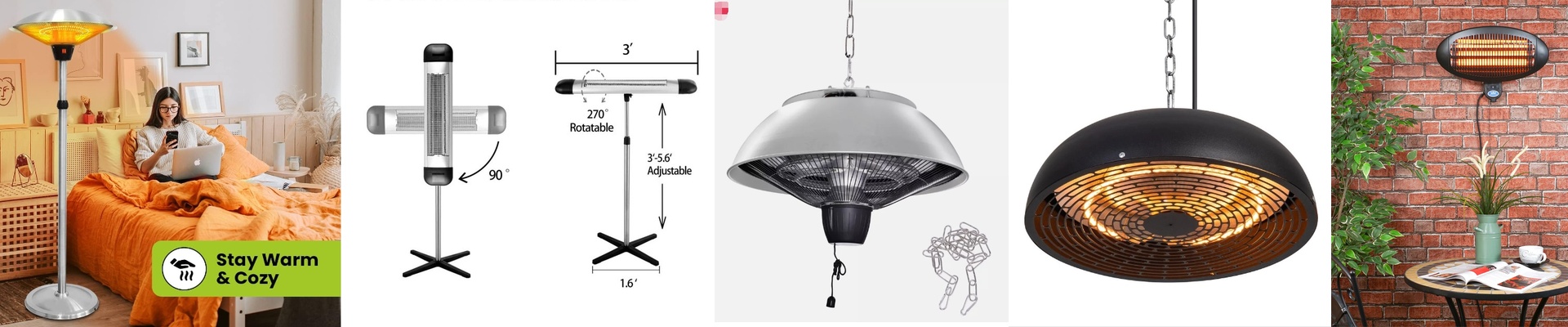
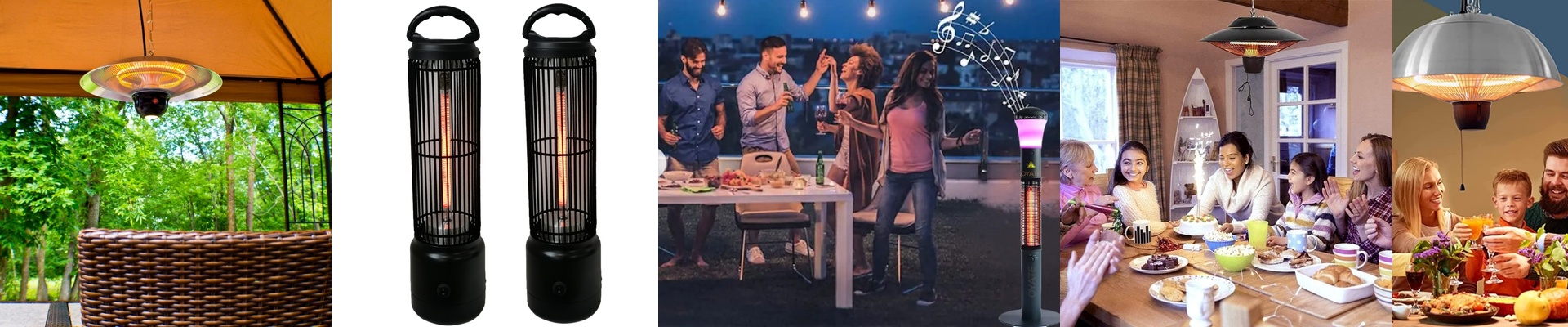
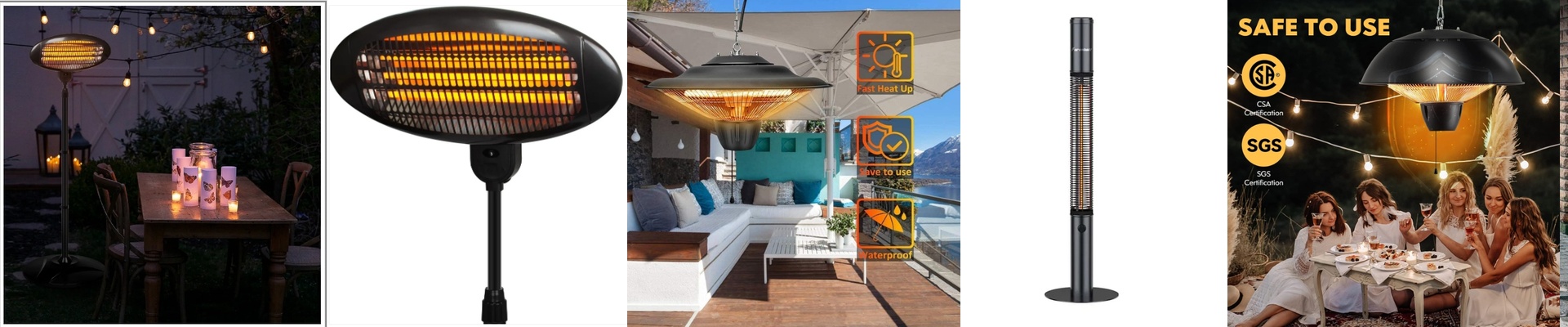
Let’s be honest: poultry houses are tough on equipment. Between the thick dust and the constant humidity, most heaters just can’t hack it. They short out, they fail, and you’re left with cold birds. That’s why we built our waterproof infrared heaters. We wanted something that could handle the grime but still deliver heat the second you flip the switch. The secret is in how it heats. Most heaters try to warm up the air. But in a drafty coop, that warm air just floats away. Our units use shortwave infrared. Think of it like the sun hitting your skin on a clear winter day. The heat doesn’t wait for the air to move; it travels straight to the birds and the floor. It’s fast. Really fast. You can turn a freezing, damp space into a cozy zone almost instantly. Built for the grit. Waterproofing in a coop isn’t just about a rubber seal. You’re dealing with water, yes, but also ammonia fumes that eat through everything. We use IP-rated housings and heavy-duty gaskets to keep that junk away from the wiring. We also use a specific kind of quartz glass. Why? Because it can handle “thermal shock.” You can go from freezing to scorching in seconds, and the glass won’t crack under the pressure. A few things to keep in mind. You can wire these right into your current setup, but you’ve got to watch your power draw. These lamps pull a lot of juice. If you’re putting in a whole row of them, double-check your breakers and wire gauges. You don’t want your wires overheating because you pushed the circuit too hard. Also, remember that this heat is intense and focused. It’s perfect for brooding chicks or warming up one specific corner, but it creates a very sharp difference between the “hot zone” and the rest of the room. Just make sure you hang them at the right height. You want the birds warm, not scorched—and you definitely don’t want your dry bedding getting too hot.