
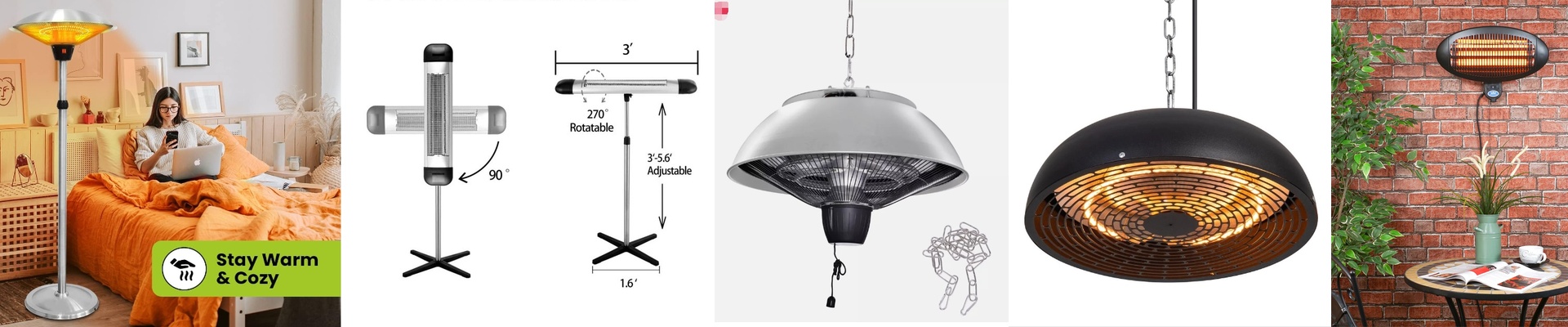



Making Your Smart Home Actually Warm (and Waterproof)
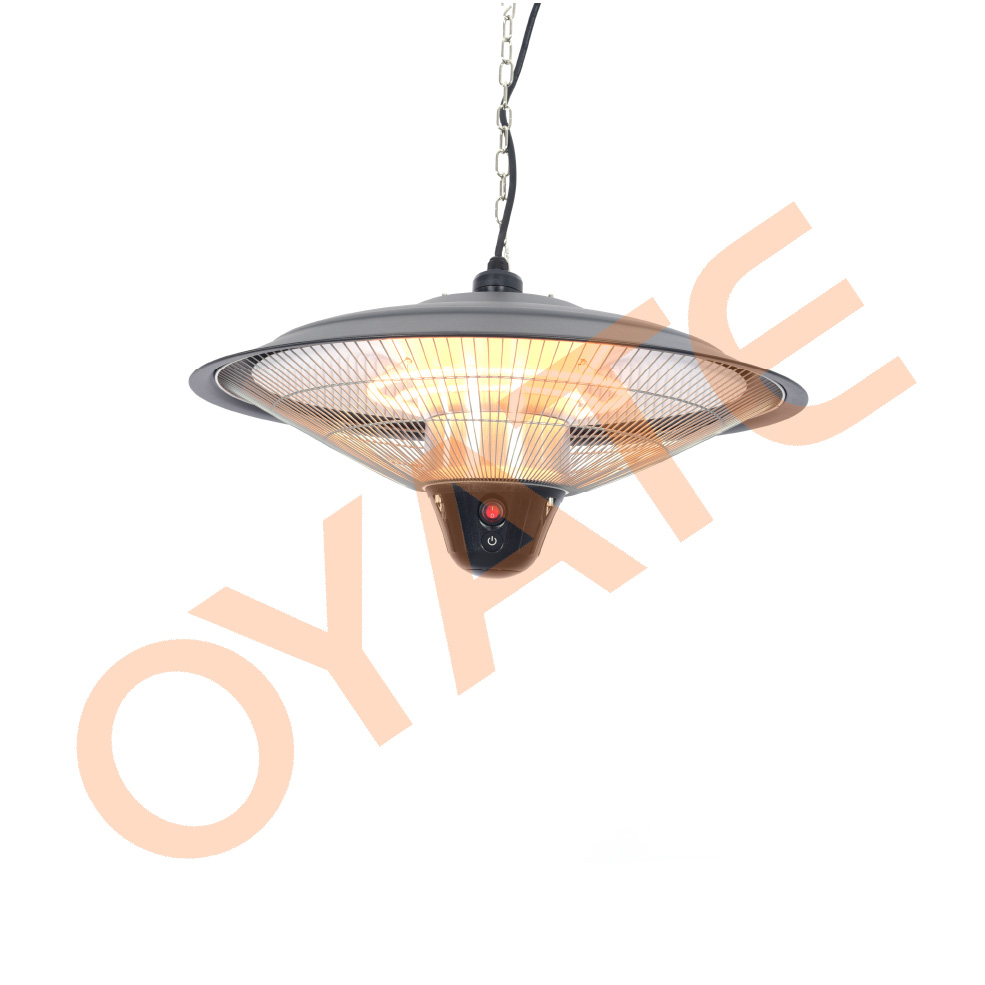
We build our infrared heaters for the places where most electronics just give up. You know, those damp patios or steamy bathrooms where dust and moisture usually fry a standard heater in no time. The best part? You don’t have to wait around for the air to warm up. We use short-wave infrared radiation, which means the heat goes straight to you—or the wall—instead of wasting energy trying to heat the entire room first. It feels like stepping into a patch of sunlight in the middle of January.
How the “Smart” Part Actually Works
To get these things talking to your smart home hub, we tuck a heavy-duty relay or a TRIAC dimmer into the circuit. When you tap a button on your phone, the relay flips and sends full power straight to the quartz tube. It’s nearly instant. The tungsten filament hits its peak temperature in milliseconds. No humming, no waiting, just heat. And since we use IP65-rated housings, the guts of the machine are sealed tight. Dust can’t get in, and a few splashes of water won’t kill it. It’s basically “set it and forget it” for your outdoor spaces.
A Quick Heads-Up on Power
Here is the thing: these heaters pull a lot of juice. When a high-wattage infrared array kicks on, there’s a massive surge of current. If your house has old wiring, you might find yourself staring at a tripped breaker the second you turn the heat on. If you’re installing anything over 2kW, just do yourself a favor and put it on its own dedicated circuit. It saves a lot of headaches.
Getting It Up and Running
We usually wire these into a smart gateway using Zigbee or Matter. We chose those because they’re fast—no annoying lag between the app and the heater. The goal is to make these a simple swap for those clunky old space heaters. Plus, if you add a smart thermostat sensor, the system can dial the heat back once the room hits the right temperature. That way, you get that initial blast of warmth without accidentally turning your bathroom into a sauna.