




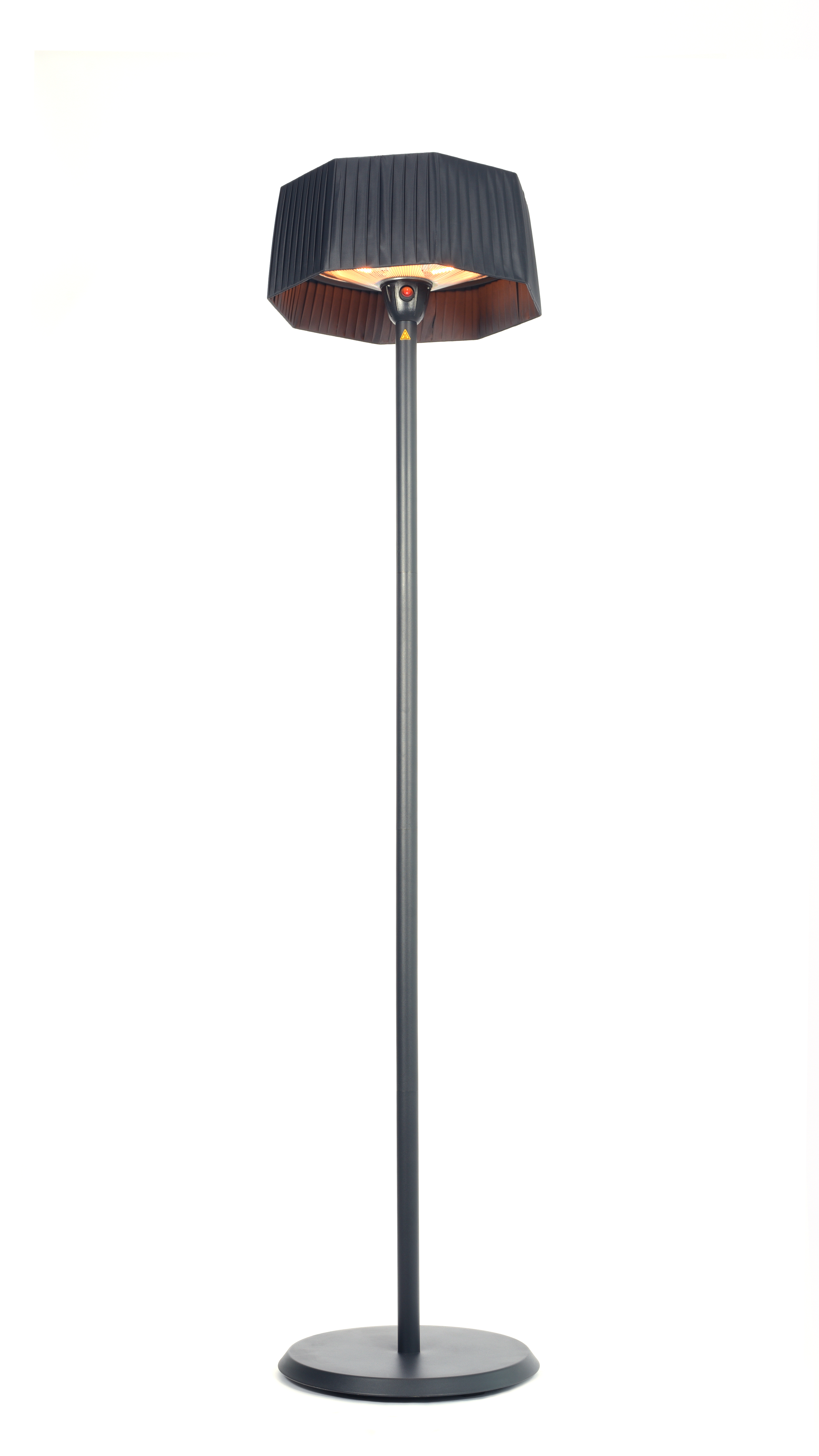
How to Pick the Right Infrared Lamp for Your Bathroom
When you’re picking out an infrared lamp, your first instinct might be to just grab the one with the biggest number on the box. Don’t do that. It’s really more about the size of the room. If you go too heavy on the power, you’re just throwing money away on your electric bill—and you might actually overheat the fixture. But if you go too low? You’re still shivering in your towel.
Finding the Sweet Spot for Your Space
Think about the actual footprint of your bathroom. If you’ve just got a tiny powder room (under 4m²), a 250W to 400W shortwave lamp is usually plenty. You don’t need a powerhouse for a space that small. For a medium-sized bathroom (around 5m² to 10m²), you’ll want to bump it up to 600W or 800W. Here’s a pro tip: check your ceilings. If they’re higher than 2.5 meters, a lot of that heat just hangs out in the upper air pocket and never reaches you. In that case, go for a higher wattage so you actually feel the warmth on your skin. If you’re dealing with a massive luxury bath (12m² or more), a single lamp won’t cut it. You’ll either need a 1000W+ unit or a few smaller lamps spread out so you don’t end up with those annoying cold spots.
It’s All About Where You Put It
Here is the thing about shortwave infrared: it doesn’t actually heat the air. It heats you. That means where you mount the lamp is way more important than the raw power. If you hang it too high, the heat loses its punch by the time it reaches you. Also, keep an eye on the casing. Since these are waterproof, the housings are pretty tight. If you cram a high-wattage lamp into a small, waterproof box without enough room for the heat to escape, you risk baking the internal wiring.
The Trade-offs
The great thing about higher wattage is the speed. You flip the switch and—boom—instant heat. No waiting around. But there is a catch. Your circuit breaker. If you try to plug three or four 1000W lamps into the old wiring of a renovated bathroom, you’re probably going to trip the breaker and end up in the dark. Just double-check your total amperage before you start wiring everything in.