
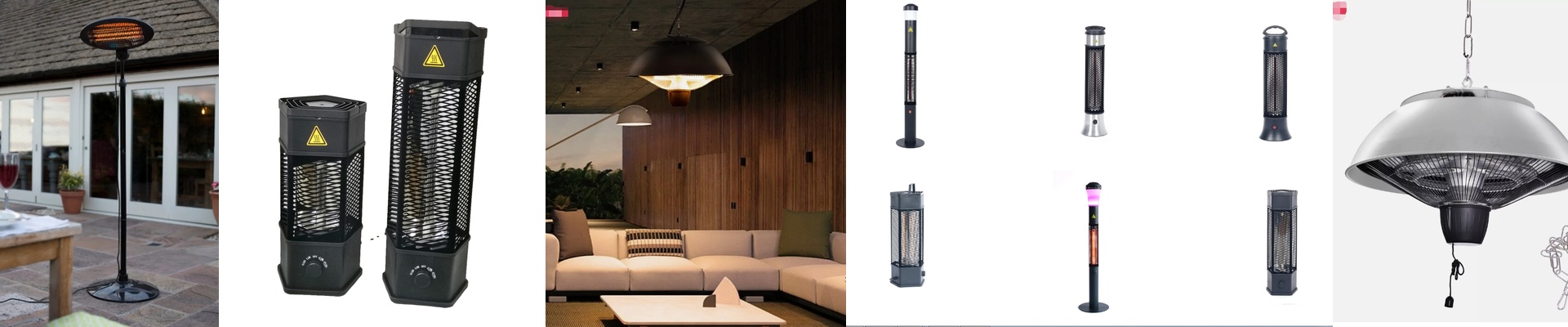
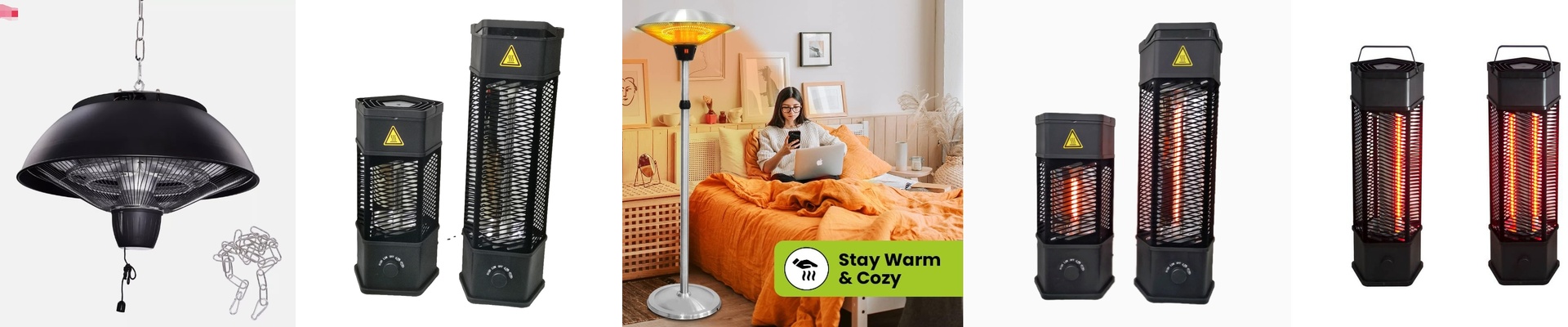
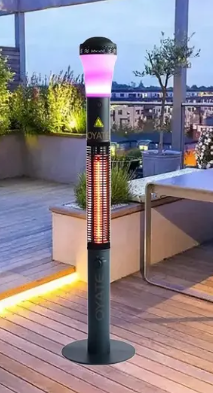
We built this freestanding halogen quartz heater to be the go-to heat source when your industrial work demands serious, standalone power. It’s the kind of unit that throws focused, high-intensity infrared heat exactly where you need it—especially when your process calls for a fast ramp-up and steady, precise control. If you’re an engineer who wants a heater that’s tough, clean on the specs, and a breeze to wire up, this was made for you. Power, Voltage, and a Surprisingly Small Footprint It runs on 400V, which keeps the current draw manageable for your plant’s electrical setup while still packing a serious wattage punch in a compact space. The 300mm tube length concentrates all that thermal energy into a tight zone, giving you high watt density without a bulky, cumbersome design. You get the heat output of a large oven, but in a package that’s much smaller. Just one thing—that kind of concentrated power means you absolutely need a properly rated cooling system to keep ambient temperatures in check. The Heart of It: Halogen, Coating, and Solid Connections Inside, the halogen element sits in a quartz envelope, holding up to extreme filament temperatures to deliver that intense, shortwave infrared heat. The quartz tube itself is coated, too. That coating helps it perform consistently, even through constant heating and cooling cycles, and it resists the kind of contamination that can dull the output over time. And the R7s connector? It provides a direct, secure termination that can handle the high heat right at the ends of the tube. That cuts down on hot spots and makes the whole lamp a simple, straightforward drop-in replacement when it’s time for maintenance. Built for the Grind, Built for Precision In freestanding applications, this heater shines for spot heating, curing, and pre-heating—any time you need to hit a target temperature fast and hold it steady. It’s built to take a beating on the factory floor, and the focused heat pattern means you’re not wasting energy. Just remember to plan for proper ventilation and heat shielding. That high heat density is powerful, so you need to manage the surrounding environment to keep your operators safe and your equipment running reliably.