

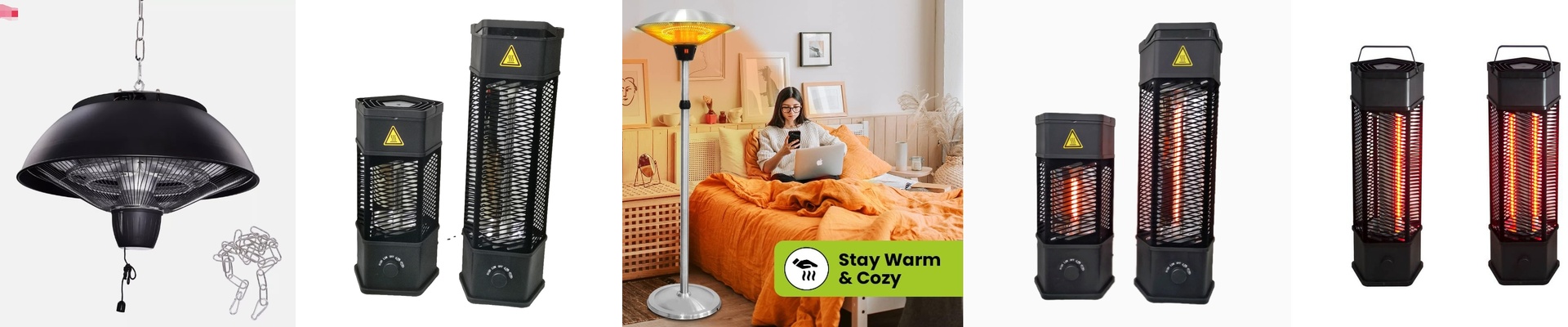
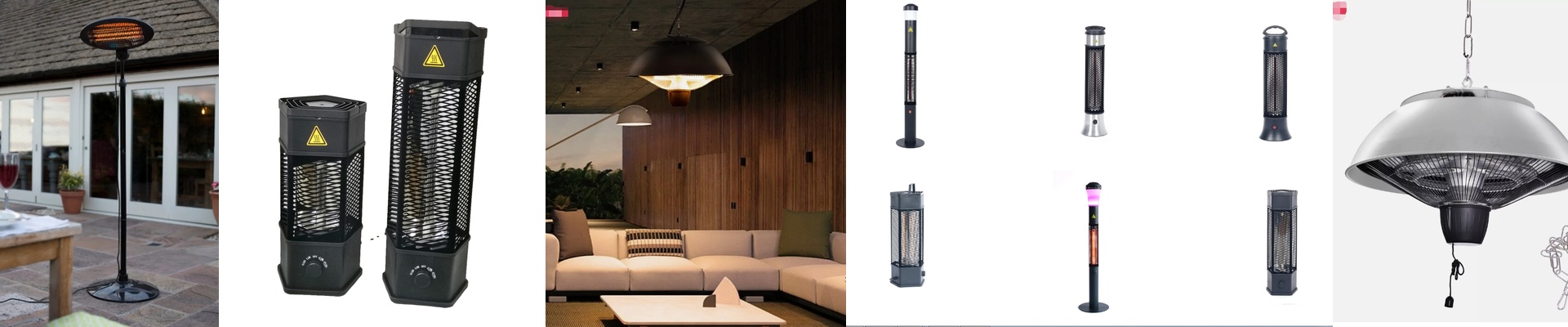

Outdoor warmth should be reliable, period. When evenings get damp and the air turns misty, a lot of heaters fold—fog finds the controls, water gets into connections, and reliability goes sideways fast. We built our top-selling infrared heater to keep working in those conditions, so you get steady comfort without watching the unit give up early.
What actually matters under the hood
The heart of it is an infrared heating element that delivers radiant heat straight to people and surfaces, not the air around them. That means you feel the warmth faster, and you’re not wasting energy heating empty space.
The built-in Eco mode drops power once the target temperature is hit, then kicks back in automatically to hold steady comfort—keeping running costs down without cutting into the heat.
Protection here isn’t an afterthought. The heating chamber is sealed to keep moisture out, and the control housing is shielded so fogging doesn’t mess with the electronics. Pair that with an IP rating for splash resistance, and the inside stays dry even with light rain or spray. The payoff is fewer corroded terminals, fewer sensor drift headaches, and performance that holds up season after season.
Why it holds up in real outdoor spaces
On covered patios, in three-season rooms, or even a wind-exposed corner of the deck, condensation and splashes are just part of the job. Block those, and you cut off the two failure points that show up most: the electrical contacts and the core heating components.
That means longer service life, fewer service calls, and a heater that stays steady even when the temperature swings.
You get the results that matter: immediate infrared warmth, quiet operation, and lower energy use thanks to Eco mode. Add tip-over protection for safety, and the unit feels as solid as it performs.
The practical details—do these, and you’re set
For best results, mount the heater where it has shelter from direct downpours and wind-driven rain. It’s built for damp conditions, but it’s not submersible.
Plug it into a grounded outlet on a circuit that can handle the wattage, and skip the extension cords—they can overheat. A quick cleaning of the outer shell now and then keeps airflow right and keeps the infrared output consistent.